Considering how to build your own HP desktop for an optimized gaming experience but feeling overwhelmed by the choices and technical jargon? This comprehensive guide cuts through the complexity, offering clear steps and crucial insights for US gamers, average age 36, who juggle work and family commitments. Discover the advantages of customizing an HP machine, from selecting compatible components like processors, graphics cards, RAM, and storage, to understanding the nuances of power supply and cooling solutions. Learn how to maximize performance while sticking to a budget, troubleshoot common setup issues, and ensure your new rig supports social gaming trends and the latest titles. We address the value for money, skill-building aspects, and relaxation benefits, ensuring you make informed decisions to create a powerful yet balanced gaming PC that fits your lifestyle without the hype. Get ready to game smarter, not harder, with an HP desktop tailored just for you.
Q: Is it cheaper to build your own HP desktop than to buy a pre-built one?
A: Generally, yes, building your own HP desktop often allows for better component selection for the price, leading to more performance per dollar. You avoid labor costs and can cherry-pick deals, focusing your budget on crucial parts like the GPU and CPU, which is especially beneficial for gamers who want specific performance targets without paying for features they don't need from a pre-built system. This month, component prices are competitive, making DIY very attractive.
Q: Can I use non-HP branded components in an HP build your own desktop?
A: While many core components like CPUs, GPUs, RAM, and storage drives are universally compatible with standard motherboards (even HP branded ones in a custom build), HP desktops often use proprietary power supply units (PSUs) or motherboard form factors. For a truly custom "HP build your own desktop," you might be starting with an HP case and motherboard, which could limit PSU or cooling options. However, if you're merely using HP components as part of a general custom build, mixing brands is standard practice.
Q: Where can I find reliable guides and parts for an HP build your own desktop?
A: For reliable guides on how to build your own desktop, general PC building communities like PCPartPicker, Reddit's r/buildapc, and reputable tech YouTube channels are excellent resources. While HP doesn't typically offer a "build your own" program like some other brands, you can source HP-branded components (motherboards, cases from older systems, specific GPUs) from online retailers like Newegg, Amazon, eBay, or directly from HP's parts store for replacements. Always verify compatibility.
Q: What are the main challenges when attempting an HP build your own desktop?
A: The primary challenge for an "HP build your own desktop" typically revolves around HP's use of proprietary components. Their motherboards might have unique front panel connectors or non-standard mounting points, and their power supplies often use custom pin layouts. This can make upgrades or swapping parts more difficult compared to a fully generic custom build. Researching specific HP model compatibility before starting is crucial to avoid frustration.
Q: How do I ensure my custom HP desktop is future-proof for upcoming games?
A: Future-proofing your custom HP desktop involves prioritizing a robust CPU and a high-end graphics card that can handle demanding titles for years. Investing in a motherboard that supports the latest CPU sockets and DDR5 RAM is wise. Don't skimp on a good quality PSU with headroom for future GPU upgrades, and opt for NVMe SSD storage for lightning-fast load times. While true future-proofing is impossible, aiming for mid-to-high range components ensures longevity.
Q: What operating system is best for an HP build your own desktop for gaming?
A: For gaming on an "HP build your own desktop," Windows 11 is currently the best operating system. It offers DirectX 12 Ultimate support, better resource management for modern CPUs, and features like Auto HDR and DirectStorage, which improve gaming performance and visual fidelity. Ensure your chosen hardware is fully compatible with Windows 11 to leverage these benefits and stay current with the latest game optimizations.
Q: How much RAM is sufficient for a modern HP build your own gaming desktop?
A: For a modern "HP build your own desktop" primarily used for gaming, 16GB of DDR4 or DDR5 RAM is the sweet spot for most titles and multitasking. If you're planning on heavy streaming, content creation, or playing very memory-intensive simulation games, upgrading to 32GB provides a comfortable buffer. Always aim for dual-channel memory (two sticks) for optimal performance, regardless of total capacity, as this significantly boosts bandwidth.
Hey fellow gamers! Ever feel like your gaming rig just isn't quite you? You're out there, balancing a career, family, and life's endless responsibilities, but when it's time to unwind, jump into some Warzone with friends, or explore a new open world, your PC might be holding you back. Maybe it's sluggish, struggles with the latest titles, or just wasn't quite what you imagined. You're part of the 87% of US adults who game regularly, often clocking 10+ hours a week, and you deserve a machine that respects your time and passion. Many of us, especially those around the average gamer age of 36, want powerful performance and value for money, but without all the corporate jargon or over-the-top hype. That's where the idea of an **hp build your own desktop** comes in, offering a pathway to a truly personalized gaming experience. Instead of settling for a pre-configured system that might have compromises, imagine crafting a PC that's perfectly tuned for your favorite games, your specific budget, and your unique lifestyle. This guide is designed to cut through the complexity, empowering you to create an HP-centric gaming powerhouse that's all your own, addressing common pain points from setup issues to budget-friendly upgrades, so you can focus on what truly matters: epic gaming moments and connecting with your squad.
Why Consider an HP Build Your Own Desktop for Gaming?
The allure of an **hp build your own desktop** lies in customization and control, especially for gamers who know exactly what they need. While HP is renowned for its reliable pre-built systems, taking the DIY route allows you to select each component, ensuring every dollar goes towards performance where it matters most for *your* gaming habits. This means you can invest heavily in a top-tier graphics card for smooth 1440p gameplay, or prioritize a faster CPU for competitive esports titles and streaming, which is a growing trend as many gamers around the globe, including the 60% of US gamers, engage in social gaming and even dabble in content creation. This granular control often translates to better value, as you're not paying for features you don't need or an OEM markup on generic parts.
Moreover, the process of building your own desktop is an incredibly rewarding skill-building exercise. It demystifies PC hardware, giving you the confidence to troubleshoot minor issues and perform future upgrades independently. For the busy adult gamer, understanding your machine means less downtime and more playtime, ensuring your limited gaming hours are spent enjoying the game, not battling technical glitches. It's about empowerment and creating a machine that genuinely reflects your passion.
What Core Components Do I Need for an HP Custom PC?
When embarking on an **hp build your own desktop**, understanding the essential components is key. Think of these as the building blocks of your gaming sanctuary:
CPU (Central Processing Unit): This is the brain. For gaming, a mid-range to high-end Intel Core i5/i7 (12th gen or newer) or AMD Ryzen 5/7 (5000 series or newer) offers excellent performance. Consider your workload – if you stream or do content creation, a higher core count is beneficial.
GPU (Graphics Processing Unit): The heart of your gaming rig. This month, NVIDIA's RTX 40-series and AMD's Radeon RX 7000-series offer fantastic performance. Budget will largely dictate your choice, but aim for the best you can afford, as it most directly impacts in-game frame rates and visual quality. This is where a significant portion of your budget should go.
Motherboard: The nervous system connecting everything. If using an HP case/base, check for proprietary connectors. Otherwise, a standard ATX or Micro-ATX board with the correct socket for your CPU and sufficient PCIe slots for your GPU is crucial. Look for features like Wi-Fi 6E and multiple M.2 slots for future-proofing.
RAM (Random Access Memory): 16GB is the sweet spot for most modern games. If you're a heavy multitasker or streamer, 32GB provides extra headroom. DDR4 is still common, but DDR5 offers better performance with newer CPUs. Always use two sticks (e.g., 2x8GB) for dual-channel memory, significantly boosting performance.
Storage: An NVMe SSD (Solid State Drive) is non-negotiable for your operating system and primary games. It offers lightning-fast boot and load times. For extra game storage, a larger SATA SSD or even a traditional HDD (Hard Disk Drive) can be cost-effective. Many gamers now prioritize at least 1TB NVMe.
Power Supply Unit (PSU): Don't skimp here! A reliable PSU with sufficient wattage (e.g., 650W-850W for a mid-high tier build) and an 80 Plus rating (Bronze, Gold, Platinum) ensures stable power delivery and protects your components. Calculate your estimated wattage needs and add headroom for future upgrades.
Case: While HP cases can be sleek, ensure it has good airflow and enough space for your chosen components, especially larger GPUs and CPU coolers. Aesthetics matter, but cooling performance is paramount for stable gaming.
Cooling: The stock cooler might suffice for non-overclocked CPUs, but an aftermarket air cooler or an All-in-One (AIO) liquid cooler will provide better temperatures and quieter operation, especially during intense gaming sessions. Proper cooling prevents thermal throttling, ensuring consistent performance.
How Can I Maximize Gaming Performance on a Budget with HP Parts?
Building an **hp build your own desktop** on a budget requires smart decisions. Start by prioritizing the GPU; it has the biggest impact on gaming performance. Instead of the absolute latest model, consider the previous generation's high-end card, which often provides significant savings for only a small performance hit. For the CPU, a mid-range i5 or Ryzen 5 is usually more than enough for pure gaming and won't bottleneck your GPU in most scenarios. Avoid going overboard on RAM; 16GB is typically plenty for gaming. You can always upgrade later if needed.
Look for sales on components, especially around major holidays. Buying slightly older but still powerful generations of hardware can shave hundreds off your total cost. For storage, use a smaller NVMe SSD for your OS and main games, and complement it with a larger, more affordable SATA SSD for your game library. Reusing an existing HP case, if it has good airflow and fits your new components, can also save money. Focus on performance per dollar, not just raw power, to get the most bang for your buck.
What are the Key Considerations for Compatibility and Power in an HP Build?
When you **hp build your own desktop**, compatibility is paramount. First, ensure your chosen CPU and motherboard socket match (e.g., Intel LGA 1700, AMD AM5). Next, verify your motherboard supports the RAM type (DDR4 or DDR5) and speed. Physical clearance inside the case for your GPU, CPU cooler, and even power supply is another critical check. Large GPUs often require specific case dimensions, and tall CPU coolers might interfere with side panels.
Power delivery is equally important. Your PSU must have enough wattage to comfortably power all components, with some headroom for potential upgrades. Check the specific connectors your GPU requires (e.g., 8-pin, 12-pin) and ensure your PSU provides them. Some HP motherboards use proprietary power connectors that differ from standard ATX, so be vigilant if you're repurposing an HP base system. Using online PSU calculators and checking component specifications for power draw will help you avoid under-powering your system, which can lead to instability or even damage.
How Do I Troubleshoot Common Build Your Own HP Desktop Problems?
Even experienced builders encounter hiccups, so don't fret if your **hp build your own desktop** doesn't boot up perfectly the first time. The
Custom HP desktop advantages, component selection guide, budget-friendly upgrades, performance optimization tips, balancing gaming with life, social gaming support, troubleshooting common issues, value for money, staying current with trends.
35


Build Your Own PC Shop HP Com Malaysia W100 Step 1 Image . Build Your Own CustomBuild 8a5bab23 1754 4e93 9224 . Top 10 Best Desktop Computers 2026 For Home Office And Work HP OmniStudio X Pro 2026 All In One Desktop Computer With Large Display Ranked Among Best. Build Your Own PC Shop HP Com Australia W100 Hero Image Desktop V1 . Build Your Own Custom HP EliteDesk 800 G4 Desktop PCSP 3588038


Build Your Own PC Hp Z240 Sff Alburhan Price In Pakistan 1 2603 2483189. Desktops HP Official Store 20 09 13 Hero Silver2022 . HP Desktops HP Malaysia Modern Sleek Design . Weekly Deals 2026 HP Store . Build Your Own PC Hp Z240 Sff Alburhan Price In Pakistan 2 2603 2483189
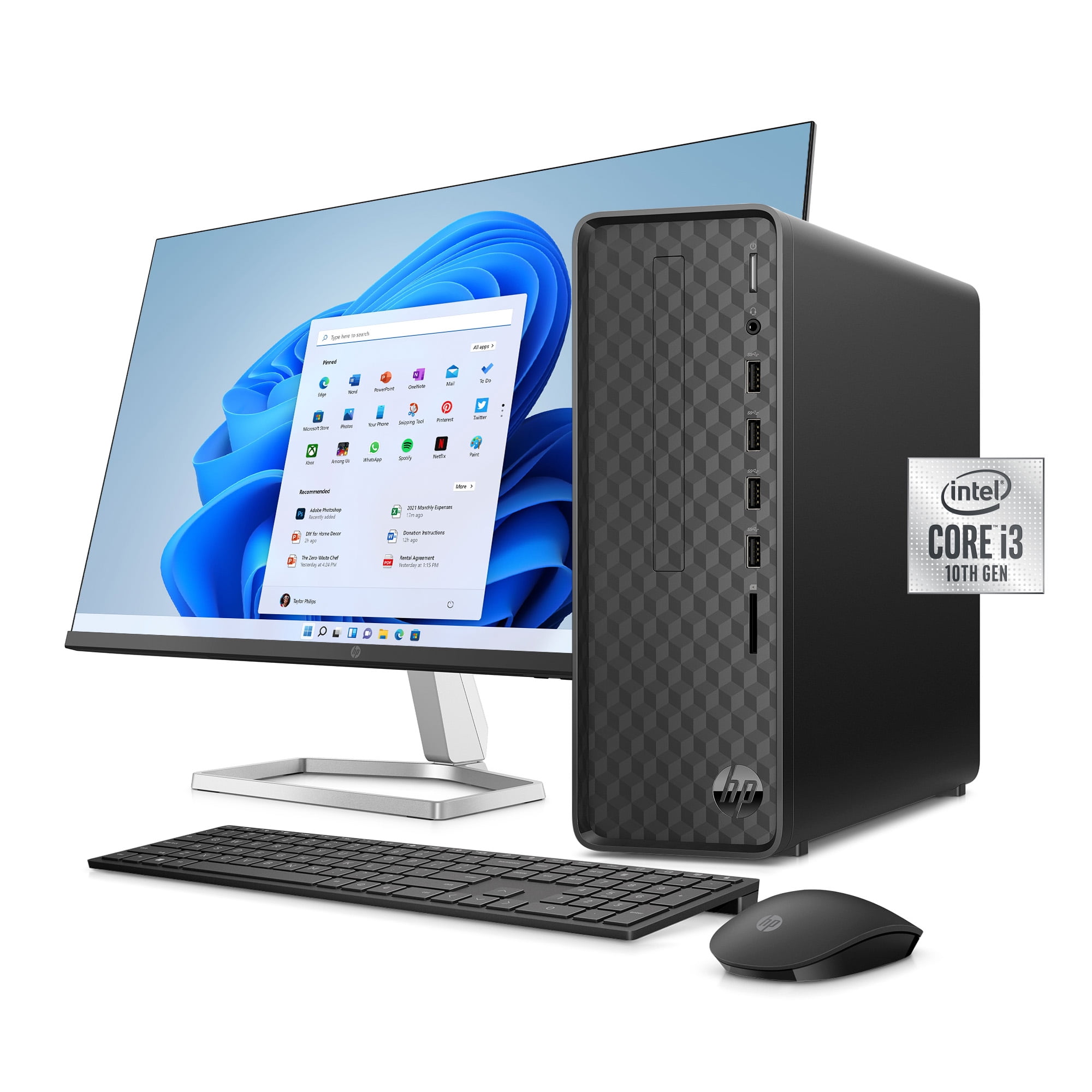


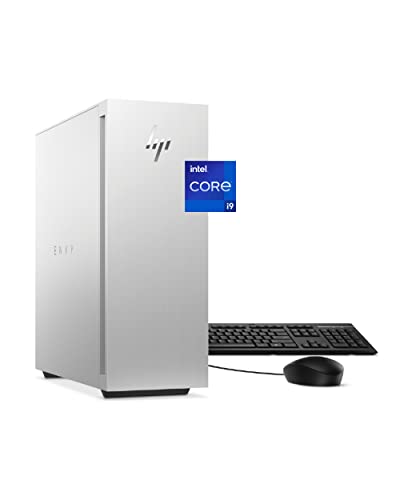
Best Desktop Computers 2021 For Home Use HP Slim 27 Desktop Bundle Intel Core I3 10105 8GB RAM 256GB SSD Dark Black Windows 11 Home S01 PF2003wb M27fe 747beed0 B12e 4f75 94bd . Build Your Own PC Shop HP Com India W100 Desktop Elitedesk . Build Your Own HP PC HP Desktop 2 . HP Elite Desktops HP Store India Desktop Tcm 245 2502343 . Top 5 Best Hp Envy Desktops 2026 Pixelfy Blog 21Ae7nVK53L


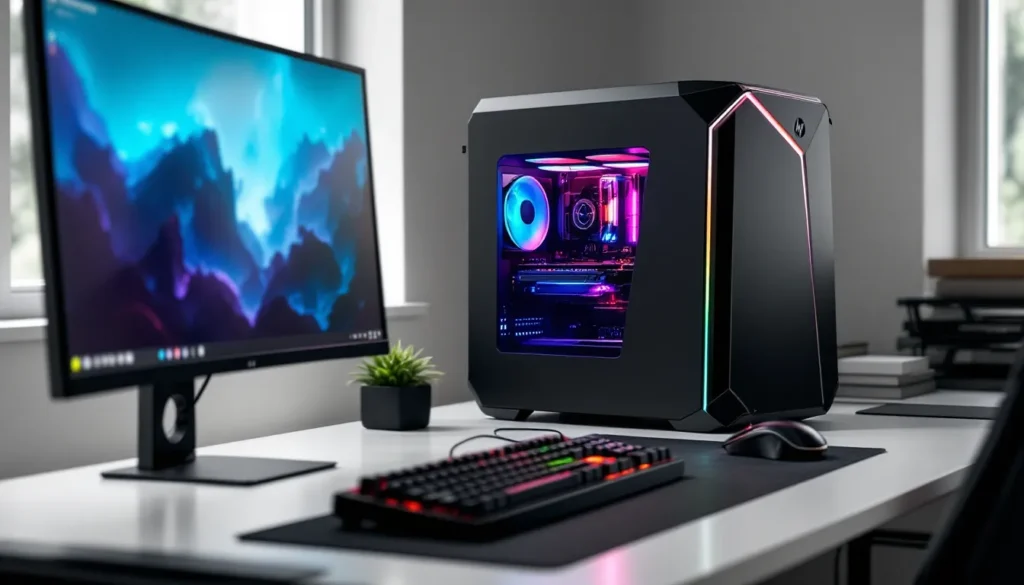

HP App For HP Printers Laptops And Tech Accessories HP Canada Desktops For Home%402x . How To Build Your Own Desktop Computer R6Z5BMEcET EBh9SF7r. HP Gaming Desktop The Complete 2026 Buyer S Guide For Serious Gamers Airtable 1. HP Desktop Computers And All In One PCs HP Canada C06428239 . How To Build Your Own Computer Gaming Desk How To Build Your Own Computer Gaming Desk 0




Build Your Own Custom HP EliteDesk 800 G4 Desktop PCSP 3588037 . How To Build Your Own PC A Complete Beginner S Guide How To Build Your Own PC . HP Home Desktops Families Cons Families Desktop Hpenvy 01 1 . Build Your Own Custom HP Z6 G4 Workstation 1 Processor 3587871 . Build Your Own PC Shop HP Com India W100 Hero Image Desktop



Build Your Own Custom HP Z2 G5 Workstation 1 Processo 3587836 . Desktops HP Official Store C06428202 . Build Your Own Computer Uk AC UF894,1000 QL80 . HP Pavilion P6 2026 Desktop PC HP Support C02894472 . Desktops HP Store Jul25 Desktops Tile01


HP At CES 2026 HP Official Site HP OmniStudio X 27 Inch AiO Desktop Next Gen AI PC EclipseGrey Front . HP ProDesk Desktops Best All In One Tower Desktop PC Shop HP Com C08686610 7 . How To Build A 1 000 Gaming PC In 2026 Don T PCWorld Nvidia GeForce RTX GPU Graphics Card In Purple Glowing Desktop PC . All Internal Parts Of A Computer How To Build Your Own Gaming Desktop . Top 10 Best Desktop Computers 2026 For Home Office And Work HP Omen 35L 2026 Workstation Desktop Computer For Intensive Work In Best Desktop