The Leeds Teaching Hospitals Trust has been at the forefront of pioneering research in interventional radiology, particularly through its involvement in the CAIN trial. This Phase I multicentre study aimed to assess the safety and effectiveness of the HistoSonics investigational system for the treatment of primary solid renal tumours. Current invasive kidney therapies can pose risks such as bleeding and infection. In contrast, non-invasive histotripsy avoids these complications and offers the potential to destroy only targeted tissue. As a result, existing therapies such as partial nephrectomy and thermal ablation could become completely non-invasive—knifeless and needleless. This advancement is significant, as it reduces post-operative recovery times, lowers infection risk, and minimizes scarring.
Between April 2023 and March 2024, the Trust enrolled 25,695 participants across 760 active studies, with an additional 22,113 participants involved in National Institute for Health and Care Research (NIHR) portfolio studies. Brenda Wallis is one example of a success story, having undergone image-guided cryoablation for a right kidney tumour. This minimally invasive interventional radiology (IR) procedure uses extreme cold to precisely target and destroy abnormal tissue. Following a histotripsy procedure in March 2024 as part of the CAIN trial, she was discharged the day after surgery, and her tumour was deemed mostly removed. She shared, “I’m very thankful I was referred to LTHT and had the initial treatment. I’m happy with the treatment, and hopefully, once I’ve had the follow-up monitoring as part of the trial, I’ll be fit and healthy and able to get on with the rest of my life.”
Professor Tze Min Wah, Professor of Interventional Radiology at the Trust, described the treatment as “a Star Wars era,” highlighting how it enters a realm of medicine that was previously thought impossible.
Jennifer Perrin, another patient who underwent the histotripsy procedure, said, “After the treatment I received at the hospital, I returned to my normal activities. I enjoy line dancing and gardening. The team was excellent and very efficient. My advice to anyone considering taking part in the clinical trial is: yes, have it done. For me, it was not a problem at all.”
Histotripsy is based on two core principles: first, it destroys tumours at the cellular level without the need for incisions; second, it uses highly focused ultrasound waves directed at the target area, avoiding damage to surrounding tissues. These high-energy waves cause rapid pressure changes that lead to the formation and collapse of natural gas microbubbles. This creates a “bubble cloud” that mechanically disrupts the targeted cells, while sparing nearby structures.
The procedure is delivered using the Edison system, manufactured by HistoSonics. This system was selected to participate in the UK’s newly launched Innovative Devices Access Pathway (IDAP) Pilot Programme, designed to accelerate the integration of cost-effective medical devices into the UK market. Eight novel technologies were included in the programme, including one that can measure oxygen saturation regardless of skin pigmentation.
Innovation is also underway at Bradford Teaching Hospitals NHS Foundation Trust, where the Radiology Department has introduced the new ALLIA IGS 740 system from GE Healthcare. This advanced system enables interventional radiologists to perform intricate vascular procedures with greater precision. It supports a variety of treatments, including angioplasty, stent insertion, embolisation (a technique to block abnormal blood vessels), and EVAR (endovascular aneurysm repair). I was fortunate to complete one of my placements there in my first year. At the time, I was still learning the anatomy and physiology involved in these procedures, since we hadn’t yet covered it in our body systems module. Nonetheless, I was genuinely fascinated by the complex equipment and the use of dyes, which made the experience incredibly engaging.
In March 2025, the European Society of Radiology (ECR) held its “Planet Radiology” conference in Vienna, focusing on how radiology can contribute to a more sustainable and inclusive future. Among the potential improvements discussed in IR was a more than threefold reduction in carbon emissions when using vacuum-assisted excision procedures, compared to Magseed-guided surgical excisions or traditional wire-based assessment of BIRADS 2 and 3 lesions. Dr. Nisha Sharma, Clinical Advisor to NHS England from Leeds Teaching Hospitals, stated that “this is a viable, sustainable alternative to surgery,” noting that vacuum-assisted biopsy supports a “modern, patient-centred pathway that focuses on patient needs, beginning with the minimisation of overtreatment for high-risk breast lesions.”
Dr. Leo Razakamanantsoa of Sorbonne University in Paris also highlighted that reducing the use of general sedation and opting for minimal local anaesthesia promotes sustainability by lowering energy consumption in operating rooms and conserving resources.
With initiatives like IDAP and advances such as histotripsy, the future of interventional radiology looks promising in supporting sustainable and efficient healthcare delivery across the NHS.
“I’m so OCD.” Phrases like this are often casually thrown around when obsessive-compulsive disorder (OCD) is discussed. However, the reality of OCD is far more profound and complex than the stereotype suggests.
What is OCD?
OCD is a mental health condition in which individuals experience obsessive thoughts and compulsive behaviours (NHS, 2023a). The disorder has two main components: intrusive thoughts, images, or impulses (obsessions), and compulsive behaviours performed to relieve the anxiety these obsessions cause (TED-Ed, 2015).
Common misconceptions about OCD lead many people to label themselves as “having OCD” simply because they enjoy cleaning or prefer things to be organised (YoungMinds, 2024). While these behaviours can be symptoms of OCD, the condition itself is far more complex. Individuals with OCD find it extremely difficult—if not impossible—to dismiss their intrusive thoughts, no matter how hard they try (BBC, n.d.).
What Causes OCD?
The exact cause of OCD remains unknown, but several theories attempt to explain its origin. Some suggest that OCD may develop through personal experiences, such as growing up with parents who exhibit similar behaviours or coping with ongoing stress and anxiety. In some cases, pregnancy or childbirth may trigger perinatal OCD (Mind, 2023).
Other theories point to biological factors, including the possibility of a link to abnormally low levels of serotonin. However, it remains unclear whether low serotonin is a cause or an effect of the condition (Mind, 2023).
OCD can affect anyone—men, women, or children—at any age. Symptoms may appear as early as six years old, but they more commonly begin around puberty or in early adulthood. Approximately one in fifty people will experience OCD at some point in their lives (Royal College of Psychiatrists, 2019). Despite its prevalence, OCD is often misunderstood and misrepresented.
Myth 1: OCD is about being obsessively clean and tidy
The reality of OCD is far more complex than simply liking things neat or organised. People with OCD often experience deeply distressing, repetitive, and intrusive thoughts, alongside a persistent sense of danger or doubt (Benenden Health, n.d.).
Common obsession-compulsion patterns include:
Contamination fears, leading to excessive cleaning or washing
Fear of causing harm, prompting constant checking (e.g., repeatedly ensuring doors are locked)
A need for symmetry, leading to compulsive ordering or counting (Stein et al., 2019)
Some individuals also experience disturbing intrusive thoughts of an aggressive or sexual nature (Stein et al., 2019). While some with OCD may indeed be excessively tidy, these traits alone do not define the condition. OCD is characterised by uncontrollable and irrational thoughts and behaviours that the individual cannot easily dismiss (Benenden Health, n.d.).
Myth 2: Those with OCD wash their hands constantly
Excessive handwashing is often portrayed as the hallmark of OCD, but this is an oversimplification. Compulsions—repetitive actions performed to reduce anxiety—are a key feature of the disorder (TED-Ed, 2015). Handwashing is a common compulsion, especially in individuals with contamination fears.
Such individuals may also:
Avoid touching others
Refrain from shaking hands
Obsessively brush their teeth (Psych2Go, 2021)
However, OCD manifests in many forms, and not all individuals engage in compulsive handwashing (Benenden Health, n.d.).
Myth 3: Repetitive behaviours always mean OCD
While actions like double-checking or frequent handwashing can be occasional habits, OCD is a severe condition that significantly disrupts daily life (TED-Ed, 2015). People with OCD have little control over their thoughts or behaviours, which can consume hours each day and interfere with work, school, and relationships.
The difference lies in distress and disruption. OCD behaviours are not just quirks or preferences—they are intense compulsions tied to anxiety and often cause personal suffering. These behaviours may also strain relationships, as loved ones struggle to understand the disorder or feel overwhelmed by the person’s need for reassurance (NeuroLaunch, 2024).
Myth 4: People with OCD don’t realise their behaviours are irrational
Most individuals with OCD are fully aware that their behaviours are irrational and lack logical basis. Still, they often feel compelled to act “just in case” (NHS, 2023b). These urges reflect the overwhelming fear and discomfort that obsessions can create, making it incredibly difficult to resist compulsions—even when one knows they don’t make sense.
How OCD Can Be Treated
Fortunately, effective treatments for OCD are available. One of the most common is cognitive behavioural therapy (CBT), where patients work with a therapist to confront their fears and intrusive thoughts without resorting to compulsions (NHS, 2023c). Over time, this helps desensitise individuals to their anxieties.
Medication is also an option, particularly in more severe cases. Selective serotonin reuptake inhibitors (SSRIs)—a class of antidepressants—are often used to increase serotonin levels in the brain and reduce OCD symptoms (NHS, 2023c).
Conclusion
Despite being heavily stereotyped, OCD is a multifaceted condition that can manifest in many different ways and affect people differently. It is vital to continue raising awareness, dispelling myths, and encouraging accurate understanding of what OCD really is. By doing so, we can help more individuals seek treatment—ultimately improving their mental health and overall quality of life.
References
• BBC. n.d. Obsessive behaviour: the facts. bbc.co.uk. [Online]. [Accessed 9 April 2025]. Available from:
The question I dreaded most in my medical school interview was, “Why do you want to be a doctor?” My anxiety around this question made me doubt whether I was making the right decision in applying. I believe that only a select few people have a deeply profound and specific reason for choosing a career in medicine—and I was certainly not one of them. I hadn’t grown up dreaming of taking this path. I made a last-minute, arguably uninformed decision based on an idea of what I thought I wanted my adult life to look like, and a feeling I had during my work experience when I was barely sixteen. For a long time, this didn’t feel good enough—especially when I was surrounded by would-be medics who had grown up equating their entry into medical school with destiny.
The “why” of medical school plagued me, as I struggled to answer it for myself, let alone for others. I spent the better part of two years hoping no one would notice that I wasn’t entirely sure what I was doing. Luckily, not many people did ask. For the most part, it makes sense to people why someone would decide to go to medical school; the assumptions and stereotypes of a medical student—smart, overambitious, self-sacrificing—can quickly be assigned to you as soon as you mention it.
Anyway, I wasn’t asked why I was choosing to go to medical school in my interview. Instead, I was asked to talk about a moment when I had questioned or doubted my choice to study medicine. I presumably spoke about my dreadful BMAT score and how I hadn’t let it squash my conviction—which was a lie; my conviction had been squashed. The irony now is that, after four years of medical school, I could fill a book with moments and days when I’ve questioned my decision to study medicine.
When asked, I often describe medical school as one of the most humbling experiences a person can go through. I could tell you about twelve-hour shifts, shivering on train platforms, waiting patiently—and desperately—for my presence to be acknowledged. I could tell you about the look a surgeon gives you when you answer an anatomy question wrong, being disoriented by Passmed, and the desperation that comes with waiting for an end-of-placement form to be signed. I have cried. I have experienced burnout. I have seen patients belittled—often women in pain—and I’ve been belittled myself. Any one of these days would be enough to make many people reconsider whether medicine was the right choice. But in reality, it’s all the days in between the truly awful ones—balancing revision, getting lost in hospitals, waking up before the sun, being confused by emails—that build up to create a stressful life. Even before anything goes wrong, my day can feel longer and harder than the days of some of my non-medic friends.
In a recent conversation, when I asked a consultant why he had chosen his specialty, he answered by telling me that the first thing he’d have any medical student reflect on is whether they actually want to be a doctor in the first place. We both laughed, and he went on to tell me how much he loves his job as a gynaecologist—but I couldn’t help but hear his joke as a warning. As the bureaucratic challenges of the NHS increase—with the added uncertainty of foundation jobs through random allocation, worsened further by the invention of placeholder jobs—and as competition ratios for specialty training get dramatically worse, the question has shifted from “Why go to medical school?” to “Why stay in the medical profession?”
In many ways, medical school put me at ease; I found that I loved what I was learning. It has helped me grow more confident and less fearful. I’ve found more open doors than closed ones. I understand the medical profession better now—well enough to know I didn’t know a thing when I started. Most importantly, I’ve learned that a doctor’s abilities often lie more in how they communicate than in what they know. There is such privilege in being a witness to some of the worst and best moments of people’s lives.
Despite all the bad days, there have been plenty of good ones. Four babies have been born under my watch—all baby girls, all younger sisters. I was one of the first people to hold them, wipe them clean, and keep them warm. The day a surgeon ordered me to hold out my hands and dropped a tumour into them was, weirdly, nearly as thrilling as the day I was first handed a newborn. I’ll remember the morning I spent on the complex chemotherapy ward round, in awe of how smart the doctors were; the day I first intubated a patient; having my hand squeezed by a woman during her contractions; and my first successful cannula. Other good days have been spent in the park with friends, celebrating small victories, running mock OSCEs in someone’s house, and pretending to study in coffee shops.
We all have reasons for why we chose to study medicine, no matter how complex or hard to express. These reasons are not static; they change as we do—growing with our understanding of ourselves and of the profession. Doubt is often a sign of overthinking rather than indecision, and it doesn’t take away from the reasons behind our choices. Some days, I think I know why I’m here; I’m simply not reminded of it every day.
Medical school, with its constant push forward, rarely gives us time to consciously reflect on our motivations. Yet motivation is exactly what I’ll need in the coming years, as I prepare for my final exams and begin work as a foundation doctor.
Some days, I’m sure I don’t know what I’m doing. And on others—I know exactly why I’m here.
Whether you’ve just finished an OSCE, pulled an all-nighter, or just want an excuse to leave your desk, Leeds has some absolutely beautiful outdoor spots for an escape into nature. From wild swimming and canal-side runs to epic views and cosy cafés, here’s a round-up of some of my favourite places to get out, breathe some fresh air, and remind yourself there’s more to life than medicine!
Otley Chevin – Surprise View Park at Surprise View car park, and within a minute you’ll be standing at one of the most striking viewpoints near Leeds. It’s perfect if you want big skies and far-reaching views without doing a full hike. If you do fancy stretching your legs further, the woodland trails below are lovely too—and there’s often an ice cream van waiting at the top, which never hurts.
Janet’s Foss This one’s a bit further afield, but worth the trip. Janet’s Foss is a picturesque waterfall and wild swimming spot near Malham, surrounded by woods and tucked into a gentle walk that also links with Malham Cove and Gordale Scar. Cold, clear water and beautiful scenery—one of the best outdoor swims in the Dales.
Almscliffe Crag One of the most popular outdoor climbing spots in Leeds, but even if climbing isn’t your thing – a beautiful place to go and watch sunrise or sunset. So wrap up warm with a flask of hot chocolate and a couple of blankets and climb to the top of the rocks for stunning skies…
Leeds–Liverpool Canal (Rodley stretch) If you want a longer run or a peaceful walk without any hills (a rare thing in Leeds), the canal path near Rodley is a great option. It’s flat, lined with greenery, and there are plenty of places to stop for a coffee, pint, or canal-side snack—including a lovely boat café. It’s also a popular paddleboarding spot if you’re feeling adventurous.
Ilkley Moor A classic, and for good reason. Ilkley Moor is perfect for a proper walk in open countryside. You can head across the moorland or drop down into the town, which has brilliant charity shops and cafés—including the famous Betty’s for a post-walk treat. Try visiting on the first Sunday of the month when the market’s on—it makes for a lovely day out.
Meanwood Valley Trail This green corridor runs from Woodhouse to Adel, winding through parks and woodland. It’s surprisingly quiet and feels a world away from the city, despite being easily accessible from Woodhouse or Headingley. Great for a lunchtime stroll or a picnic when the weather is sunny. Also if you’re after a coffee then Fika North is a great start point before walking to the trail.
Ingleborough My favourite of the Yorkshire Three Peaks. At 732m, it’s a decent climb, but very doable and hugely rewarding. The views are incredible on a clear day. It’s a brilliant day trip—especially if you take the scenic Settle–Carlisle railway to get there. Also a great spot for wild camping if you’re up for an overnight.
Kirkstall Abbey Right here in Leeds, Kirkstall Abbey is one of my favourite low-effort spots to unwind. The 12th-century ruins are beautiful and atmospheric, and there’s a good museum and café nearby. A quiet walk, a bit of history, and some very decent cake—it’s a peaceful place to escape to, especially after a busy week.
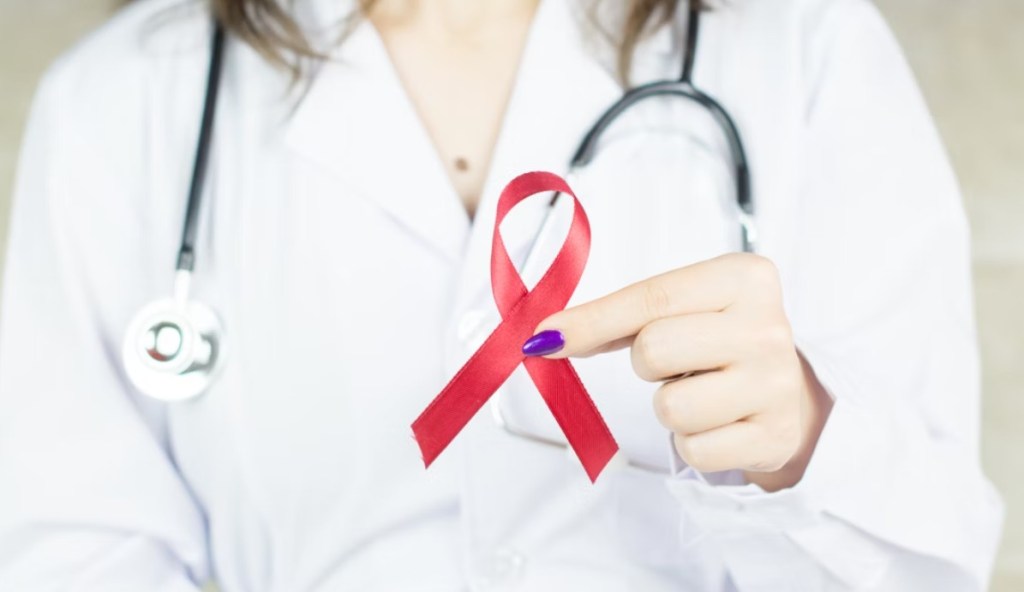
‘I am tired of hearing about AIDS – the fact that it is brought about as a result of sin is rarely mentioned’ (Mass-Observation, 1987).
Homophobic views centre on the idea that homosexuality is an abnormality and deviate from heteronormativity (Ventriglio et al., 2021). Although homosexuality was partially decriminalised in 1967, gay men were still treated as second class citizens. Gay men could be fired from their job for being out as gay and convictions for gross indecency had tripled since the decriminalisation (BBC, 2022). AIDS was poorly understood with many misconceptions about the nature of the disease and in the early 1980s an AIDS diagnosis meant death, this led to fear.
The AIDS crisis had a devasting effect on the gay community in the UK. While the physical damage was profound, so to where the psychological consequences. Furthermore, the stigma and discrimination that emerged from this still have mental health implications for individuals today. The varied public attitudes towards the gay community during the AIDS crisis in the 80s were starkly revealed in the 1987 Mass Observation research project. They surveyed 1300 people, exposing views such as ‘I can’t help feeling that homosexuals have brought it on themselves’ (Mass-Observation, 1987). Stigma resulted from blame and fear, leading to the overwhelming guilt surrounding an AIDS diagnosis. Even now, people with an HIV diagnosis have a higher chance of developing anxiety and cognitive disorders (National Institute of Mental Health, 2022).
Discrimination and apathy towards the community was arguably not limited to individuals. Terrence Higgins was one of the first to die of an AIDS related illness. In 1982, Terry collapsed on the dancefloor of the London nightclub ‘Heaven’. He later died in hospital aged 37 from toxoplasmosis. While it’s difficult to make a clear link between the government response to AIDS with any homophobic motivation, it was felt by the gay community that the government was not taking action because the disease only affected homosexuals (BBC, 2022). In the early years of the epidemic little advice was provided by the government so charities within the gay community such as the Terrence Higgins Trust that was founded a year after his death and the Gay Switchboard were the primary sources of support and public education (The National Archives, 2021).
Lack of knowledge of disease transmission further perpetuated stigma. Before AIDS was identified in 1983 as a bloodborne virus, healthcare professionals would wear gowns, masks, and gloves on the wards, promoting the idea that AIDS could be caught via direct contact. It wasn’t until 1985 that the Department of Health published its first advice and yet many people still believed the disease could be contracted from surfaces such as coffee cups and toilet seats (BBC, 2022). ‘One friend will not sit next to anyone on a bus who looks as if they are gay in case she catches AIDS from them’ (Mass-Observation, 1987). Stigma grew from misinformation and gay men were made to feel different and ashamed (BBC, 2002). The infamous ‘tombstone’ campaign was intended to scare people into reading the information on the leaflets posted to every house. ‘AIDS: Don’t Die of Ignorance’ set morbid tone for the public health campaign launched by the UK government in 1986.
There is a danger that stressing the prevalence of HIV within the gay community gives the impression that only this specific group are affected (Altman, 1998), resulting in further marginalisation. However, without targeted public education and factual conversations of safe sex, gay men are at a higher risk of contracting HIV. To change sexual behaviours and increase awareness of safe sex practices, the Terrence Higgins Trust provided educational leaflets about condoms and safe sex in bars and nightclubs to deliver advice and information specific to gay men and target the community disproportionately dying from AIDs, something the government’s public health response failed to do.
‘Despite the amount of media attention paid to AIDS, I still do not fully understand it. Those who are carriers and those that actually have the disease – it is rather confusing.’ (Mass-Observation, 1987).
AIDS was first known as Gay-related immune deficiency (GRID). Headlines such as the ‘gay plague’ and ‘gay cancer’ painted gay men as responsible for the outbreak (Herbert, 2017). There was also a difference between the portrayal of sufferers that were gay and those that weren’t. Gay men and intravenous drug users were demonised while other sufferers of HIV such as heterosexual women and haemophiliacs were portrayed as innocent victims. The media’s presentation of the AIDs crisis and a lack of understanding within the scientific community allowed an increased aversion towards the gay community (Haynes, 2021).
‘The spread of the disease is disquieting, while one has little sympathy with sufferers whose sexual deviations have been directly responsible for their condition, it is sad to read of those who through no fault of their own are victims of the illness, especially young children’ (Mass-Observation, 1987).
The demonisation of the ‘gay plague’ couldn’t have come at a better time for the politicians who manipulated the epidemic to vilify the gay community and justify increasing homophobic rhetoric. Margaret Thatcher’s political philosophies under the themes of ‘family values’ and ‘Victorian values’ increased the prominence of homophobia and exploited this for political gain (Evans, 1997). The infectious nature of the disease further stigmatised homosexual men and the vitriolic language such as that of the Chief Constable of the Greater Manchester who described gay people as ‘swirling around in a cesspit of their own making’. A disgusting blame and hatred for the gay community that further enforced the idea that homosexuals deserved the disease (Tatchell, 2015). Thatcher captured the party’s anti-gay views stating that children should not be taught that they have an ‘inalienable right to be gay’. The Conservative Party introduced Section 28 to ban local authorities and schools from promoting homosexuality. This denied a generation of children appropriate sex and relationship education when sex education has always been incredibly important to individual and public health. ‘If people kept their private parts to themselves there would be no need for all this panic’ (Mass-Observation, 1987). Sex education through schools and public health campaigns is paramount as not only does a lack of awareness increase the risk of sexually transmitted diseases but also creates the stigma that surrounds them.
The gay community endured overwhelming homophobic repression and the terrifying prospect of catching the disease, all while watching their loved ones suffering and dying from AIDS. The gay community mobilised and campaigned for funding and research into the disease while receiving discrimination whether they were HIV positive or not. Fear and misinformation fuelled the stigma around AIDS and allowed homophobic attitudes to grow, and this makes evident the need for fast and accurate information during a public health crisis.
Reference list
Altman, D. 1998. HIV, Homophobia, and Human Rights. Health and Human Rights. 2(4), p.15.
Tatchell, P. 2015. 1980s: a Decade of state-sanctioned Homophobia. Peter Tatchell Foundation. [Online]. Available from: https://www.petertatchellfoundation.org/1980s-a-decade-of-state-sanctioned-homophobia/.Ventriglio, A., Castaldelli-Maia, J.M., Torales, J., De Berardis, D. and Bhugra, D. 2021. Homophobia and Mental health: a Scourge of Modern Era. Epidemiology and Psychiatric Sciences. 30(52).a, D. 2021. Homophobia and Mental health: a Scourge of Modern Era. Epidemiology and Psychiatric Sciences. 30(52).
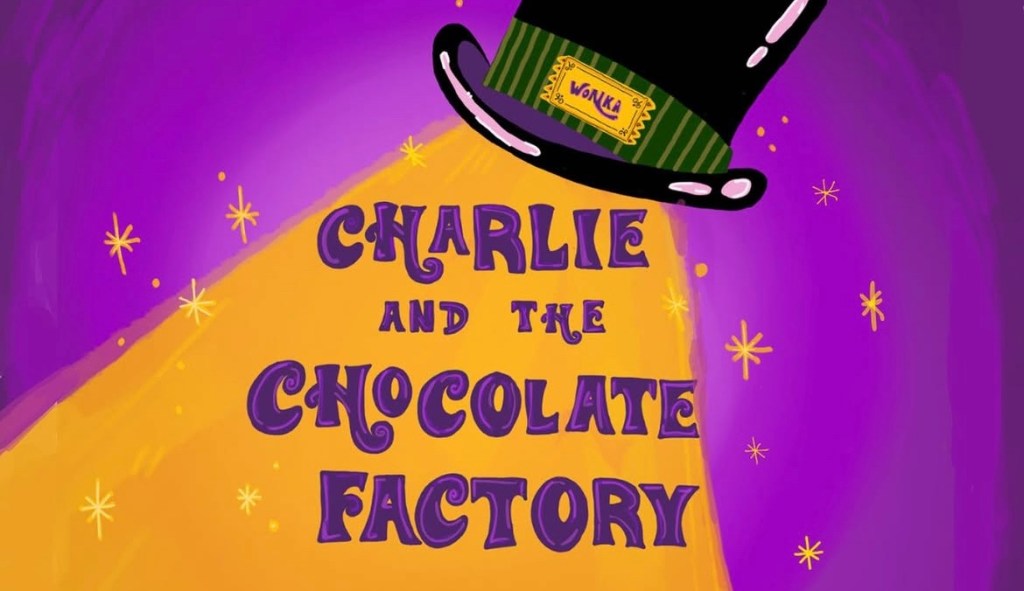
LAMMPS’ Charlie and the Chocolate Factory was a delightful blend of magic, imagination, and heart. With its vibrant set design, energetic performances, and playful musical numbers, the show captured the magic of Roald Dahl’s beloved story while emphasising themes of kindness, greed, and the power of dreams. The cast brought each quirky character to life with enthusiasm, making for an entertaining and visually engaging performance that stayed true to the spirit of the original tale.
LAMMPS are a University of Leeds society aimed to make musical theatre, dance, and singing, accessible for students on busy healthcare degrees that would struggle to make the time commitments required by other university musical theatre groups. They host lots of dance and choir events, culminating in a yearly 3-day performance of a big musical show. And let me tell you, LAMMPS pull it out of the bag every. Single. Time. I’m talking lights, music, singing, dancing, costumes, set… And this year’s Charlie and the Chocolate Factory was no exception.
The show opened with a captivating performance from Willy Wonka, played by Rhys Llewelyn Williams, who stepped through the curtain and immediately commanded the stage with a powerful voice. His charisma and energy made him a perfect Wonka, effortlessly embodying the character’s mystery and charm. Soon after, we were introduced to Charlie Bucket, portrayed by Grace Husarz, whose brilliant high notes and heartfelt performance beautifully captured Charlie’s quiet selflessness, making her a standout in the role. Charlie’s grandparents were also a highlight of the first act, bringing humour and warmth to the stage. They fully embodied their roles as 90-year-olds, complete with crochet, intermittent snoring, and constantly hunched shoulders. Their little corner of the set looked so cosy, I was jealous I was in the audience instead of squeezed in between them… Grandpa Joe, played by Louis Mockler, was an audience favourite. With perfect comedic timing and a heartwarming bond with Charlie, he captured the spirit of adventure that makes Grandpa Joe such a beloved character. We also saw some sincere and heartfelt moments from Mrs Bucket (Jennie Bodger), who captured her character’s hope despite her struggles with strong and emotive vocals.
For me, I absolutely loved Jerry Jubilee (Tom Ronayne) and Cherry Sundae (Ciara Devlin) who stole the show, bringing energy and laughs whilst introducing the iconic golden ticket winners. I will now be saying ‘CHOCOLATE NEWS!’ for the next six months. Each of the five ticket winners had a song and dance introduction – my personal favourite was Augustus Gloop, played by Cameron Mullin, and his mum, played by Hannah Byrne. Cameron completely embodied the role with enthusiasm and comedic flare – from the sausage necklace around his neck, to licking the set throughout the show. Nathalie Hall made a perfect Veruca Salt, nailing the character’s spoiled demands, bratty energy, and dramatic tantrums, to which Mr Salt, portrayed by Elliot King, aptly cowered and submitted to every time. Violet Beauregarde (Ella Smith) and her dad (Ehi Itua) were also standout performances, bringing sass and swagger to the stage with bold energy. Finally, we met Mike Teavee (Ash Mallen) and Mrs Teavee (Isla Plant) who brought a lively dynamic and powerful vocals, rounding out our five golden ticket winners.
I must admit, I found the pacing of the whole show a bit uneven. It seemed we spent a lot of time introducing the characters, but then it felt like a rapid progression to their downfalls (…deaths?) without us fully getting to know them in between. I felt like this lost some of the humour and tragedy of their fates as the audience didn’t have enough time to fully appreciate their characters before they met their consequences (…deaths?). Despite this, the energy and talent of the cast kept the audience engaged, but a more balanced flow would have made the show even stronger.
And how can I not mention the fabulous Oompa Loompas! The ensemble were a fun and energetic highlight of the show, adding a playful, whimsical touch to the production. Their synchronised dance numbers and catchy songs brought a burst of colour and energy to the stage every time they appeared. The choreography was sharp, and their performances were full of charm.
The cast’s dedication and hard work were evident throughout the performance, but it’s important to acknowledge the creative team behind the scenes. Direction by Ruth Rusnak and assisted by Chloe Labutte, played a pivotal role in shaping the show and bringing out the best in the cast, allowing the vibrant personalities of each character to shine through. The production was also elevated by the incredible live band, conducted by Millie Falconer, and Brad Freeman’s brilliant lighting design created an atmosphere that transformed each scene. The amazing costumes by Kate Gerrard, Mirra Kirthivasan, and Emily Crighton were a visual delight, bringing the characters to life in a fun and creative way, making the whimsical world of Charlie and the Chocolate Factory feel truly real.
A polite and kind plea from a medical student to everyone – please take the government advice seriously
How do I feel? I feel a bit sad. An apology in advance about the content of this article (what on Earth did we talk about before this?) but you guessed it, I’m referring to Covid. While the virus itself is no doubt sad and frightening, what I am finding even sadder and more alarming, is not the actual virus, but the response of some people to what is happening.
There have been some beautifully inspiring reactions to Covid all across the globe, and to this I feel comforted. But what I want to discuss here, is how the inaction of others has caused me to feel the opposite. I’m referring to the students I overhear in Sainsburys planning their big final house party before they head home, the students who continued to (until they could) go to the pub. To the people packed on the crowded bus, and the people who seem to find it impossible to resist the urge for a big social meet up in the park. To the people who, despite the serious and weighty warnings from experts, governments, other countries, and our own healthcare system, maintain the mindset that going about their daily life as normal is ok. Seeing people deliberately ignore the advice from our government about what is acceptable to do socially – this makes me feel sad.
Maybe the reason I feel so sad is that I’ve been lucky enough to witness and appreciate some of the colossal changes being made within hospitals in preparation for Covid. On the final day of my clinical placement (Monday 16th March), I experienced NHS staff discuss very seriously the changes that need to occur in preparation for what’s to come. Whole wards were being reorganised, patients were being discharged to make space, and discussions about coordinating the necessary extra shifts were taking place. This was on Monday – a whole 6 days ago (at the time of writing this article). Due to placement being cancelled, I haven’t actually been back into hospital since. But what I can’t help but think is, if that was taking place 6 days ago, what is going on in hospitals now? There’s been an immense shift in attitude from the government and public in the past 6 days, so I can’t begin to imagine the extent of escalation in hospitals.
A junior doctor working in London – an area which is currently accounting for a third of the UK’s coronavirus deaths – reported in the Guardian on Saturday that all elective surgeries have been cancelled, and anyone with experience of ICU or intubation is being redeployed to meet in the pressures of Covid. Another Guardian article reported that operating theatres were being turned into makeshift intensive care units – “I had to turn my operating theatre into a four-bed ICU, and we are intubating two or three patients every eight hours or so”. One doctor stated that “all of our high dependency units are being used for intensive care. We have patients spilling over into the recovery areas”, with another doctor warning that “it was only a matter of time before hospitals in London ran out of intensive care beds and had to start making difficult decisions about which patients could go on a ventilator”. On Thursday evening Northwick Park hospital in north-west London declared a critical incident after it ran out of critical care beds, with a senior manager at another London trust telling the Health Service Journal “given we’re in the low foothills of this virus, this is fucking petrifying”. NHS England have already announced measures to slash the normal GP workload in order to free up capacity to prepare and manage the outbreak, and have also blocked almost all of the private hospital sector’s services for the foreseeable future in preparation.
It’s these enormous changes taking place within the NHS in response to Covid, which, to me, makes the changes we are being asked to make socially seem really quite minor. I appreciate it’s so challenging to completely reverse the way we are used to living our lives, especially in our very individualistic society, but when we consider the sacrifices the NHS and its staff are making in order to best effectively care for those who are going to get ill, it’s really sad that our population are unable to find the motivation to return the favour.
I have enough faith in humanity to believe that advice about social distancing and isolation is being ignored not because people are selfish or don’t care, but because it’s actually so hard to fully comprehend the extent of what the NHS are facing and why these government measures are necessary.
I won’t quote statistics, because the reality is, if I do, by the time I send this article to Will & Bede, the figures will have changed, and what I say becomes insignificant. What I will say is that medics in the capital are warning that numbers of Covid-19 patients are doubling every three to four days, predicting that they will be treating “thousands” within a fortnight. At the time of writing this article, the current number of deaths in the UK is at 233, which was the same number of deaths in Italy 14 days ago. The current number of deaths in Italy stands at 4,825, and it would not be surprising or unexpected if the UK death toll in 2 weeks’ time is something similar.
The nitty-gritty of statistics and the figures are not actually what’s imperative in my message. What’s essential is to understand that the number of cases and deaths in the UK is inevitably going to increase, and it’s going to increase at an exponential rate. We have no control over the number of cases increasing. What we do have control over however, is the rate of this growth. As we’ve heard Boris repeat over and over, the aim is to “flatten the curve”. Minimising the rate of growth is crucial to the effects and outcomes of this disease outbreak. This is because the faster this rate of growth, the greater the impact and pressures on the NHS. If we can minimise pressures on the NHS, this will save lives, as minimal pressure means there will hopefully be enough resources, staff, and beds to effectively care for everyone who is ill.
How do we minimise the pressures on the NHS? By slowing the rate of transmission. How do we slow the rate of transmission? With effective social distancing and strict social isolation where necessary. The action of each individual, and how seriously they adhere to these measures, will ultimately collectively determine the rate of Covid transmission, cases, and deaths. If we seriously abide by the advice to socially isolate when we have symptoms and take seriously the practise of social distancing despite symptoms, then the rate of transmission across the UK will (hopefully) be an expansion the NHS can cope with. However, if individuals are inflexible in the changes they are willing to make, and are unable to transiently make comparatively small sacrifices to the normality of their daily routine, then the truth is that growth will be so exponential that the NHS will become overwhelmed. An overwhelmed NHS risks losing the ability to match the pressures of Covid and risks becoming deprived of the ability to care for everyone.
I think the other really important aspect, which is so often overlooked in discussions about Covid, is the indirect deaths the repercussions of an overwhelmed healthcare system will cause. When the NHS is unable to deliver adequate care to Covid patients, when there aren’t enough beds, resources, or staff, then deaths unrelated to Covid are inevitably going to take place. The stress on the system will trickle down to not only Covid patients, but patients needing urgent care for completely unrelated health issues.
The robust alterations the NHS are making to tackle this outbreak alongside all its amazing staff who are devoted to delivering the best care possible was so evident on my last day of placement. Putting into words how proud and appreciative I felt is hard. It emphasised to me that the least we can do in return is take seriously the advice and alterations we are being asked to.
Hopefully an understanding about why these individual changes are so fundamental to relieve the pressures on our healthcare system will make people think twice before ignoring guidance. During what is no doubt a disorientating, anxious, and uncertain time for everyone, I plead that people reading this take the time to seriously consider the direct and indirect consequences of their choices and actions. There are people who may lack the ability and luxury to adhere to the advice – the homeless, families in refugee camps, people being forced to go into work. If you have the capability and luxury to adhere to advice, please do so seriously. To the people I see on their way to the gym, to the students gathered in the park, to those who were sat outside the pub – please consider the consequences.
The measures of social distancing and social isolation are without a doubt extremely disorientating and boring. But when you find yourself thinking this is impossible, I can’t do it, and why does this matter, I beg that you please alter your perspective. This isn’t about just you.
Consider, if you can, a moment of reflection about the even more strenuous sacrifices and hard work taking place right now in the NHS. Take a moment to weigh up how little changes we can each make individually can collectively make a massive difference in the care the NHS are able to deliver to the most ill and vulnerable.
I’m not telling anyone what to do, nor am I inciting fear and panic. I wholeheartedly believe that calmness and positivity are the two things which are going to see us through this. I’m also not criticising or judging anyone for their decisions. The situation is an everchanging one, meaning people’s attitudes won’t necessarily adjust at the same pace. I appreciate that what we’re being asked to do is create a completely new set of foundations about what is moral and socially acceptable, and this will inevitably not come easily or overnight.
However, in the politest and kindest way I can, I ask everyone to please listen to and trust the experts by taking government advice seriously – social isolation in light of symptoms, and the practise of effective social distancing otherwise. If only a fraction of us are doing this, the results will be minimal. For the biggest difference to be seen, and to best help the NHS cope with this outbreak, unity is needed – everyone making changes, all together.
Information and advice regarding Covid can feel quite overwhelming and confusing, so here is a link I’ve found really useful to answer any health related questions: https://stopthespread.info
*This article was originally written on 21st of March and was updated for The Worsley Times on 24th of March.
Since writing this article, Boris Johnson has announced measures which more strictly enforce the previous Government recommendations. From 23rd of March, the Police now have the power to ensure that people stay at home. The new rules state that you should not leave your house for unnecessary journeys or social contact. You should only leave the house for essential shopping, medical needs, and for one form of daily exercise. You should not visit other people’s homes. Public gatherings of more than 2 people are banned (excluding people that you live with), and only essential travel is allowed e.g. to and from work for jobs which are necessary and not able to be done from home. The police now have the power to fine individuals who do not comply with these rules. In what is unquestionably a positive and needed intervention from the Government, it is unfortunate that one of the reasons these measures have had to be introduced is because there was initially poor compliance. What seems on the surface like much strengthened measures – “lockdown” – they are in fact very similar to what we were being advised and asked to do before. The only real difference is the consequences of not complying. At the time of originally writing this article, the only acceptable reason to leave the house was to shop for basic necessities, for medical needs, and to travel to and from work. We were advised to stay at home and refrain from all unnecessary social contact. There is a very strong argument that the Government should have made their guidelines regarding social distancing more consistent and clearer. Using the term “social distancing” is a choice of language which is new, abstract, and up to interpretation, and advising social distancing but keeping pubs, shops, and cafes open during this time was conflicting. However, we were, in my opinion, told very explicitly what we should and shouldn’t be doing, therefore had no excuse to be gathered in the park, at the pub, or at our friend’s house. I do feel it’s a slight shame that enforcement measures have had to be introduced as a result of it not being enough to advise and trust us to do what is socially appropriate.
I also wanted to briefly mention that in the original article I compared the number of deaths in the UK to the number of deaths in Italy. A positive message, amongst what currently seems to be always terrifying and pessimistic news, is that the UK death rate is not currently on the exact same exponential trajectory as Italy. There have currently (24th March) been 422 deaths in the UK, which from the figure I quoted in this article (233 deaths on 21st March) has been an increase of 189 in 3 days. Italy, in contrast, saw an increase of 230 deaths in just 2 days (233 on 7th March reaching 463 on March 9th). The number of deaths in the UK is increasing, at a rapidly changing rate, however, not at the same alarming rate Italy saw. After stating that the UK risked reaching a similar death toll to Italy in the original article, I felt this was a meaningful and important fact to insert as a reflection. Each country has its unique healthcare system and individual sequence of Governmental measures in response to the outbreak, meaning making predictions about the UK’s death toll in one- or two-weeks’ time using data from Italy or China etc. can be unreliable. Although using data form other countries is helpful in many ways e.g. influencing and aiding the Government in decisions regarding next steps to take, it also risks provoking disproportionate fear and panic, which as I stated at the end of the article, is the last thing I want to do.








 THE WORSLEY TIMES