Category: Current Affairs

  • ‘Hi Dear, Someone at Work Said the Lateral Flow Tests Cause Head Cancer?’

    ‘Hi Dear, Someone at Work Said the Lateral Flow Tests Cause Head Cancer?’

    Zak Muggleton-Gellas, Year 2

    According to recent governmental guidelines, and compliant with the University of Leeds guidelines, LFTs play an integral role in COVID-19 spread prevention. But, contrastingly, as suggested on social media, LFTs can have carcinogenic effects. From a personal standpoint, this ideology was presented as an innocent message from a family member, and this article was born from the research that was carried out to obtain an informed and unbiased response. Anti-vaccinators and COVID-deniers are topical communities in the current climate and therefore are used as ammunition against the governmental guidelines to protect against covid. Statements such as these, to members not included within the scientific community, can be scare-mongering and potentially lead to unnecessary exposure to the virus. One could additionally theorise that it can cause the scientific community to become neglectful, as individuals who support the government become resistant to research any opposing claims, and the NHS are under scrutiny. There is a duty to research these claims, specifically after the thalidomide crisis (Kim, 2011). 

    Ethylene oxide has been used for over 60 years, in the hospital environment, as a device to sterilise medical equipment (Mendes et al, 2008). It is a colourless, odourless gas that is used in various cosmetic products. This includes being noted on the back of LFTs for sterilisation of the equipment used (BCPP, 2021). A Facebook user posted a video stating that, due to this sterilisation, the cotton buds used in the test kits cause encephalitis, endocrine dysfunction (neuroendocrine tumours), leukaemia, breast cancer and lymphoma (Reuters Fact Check, 2021). While there is significant evidence that ethylene oxide is a carcinogen (Vincent et al, 2019), and there has been increased breast cancer incidence in female factory workers producing the chemical as well as hospitals (BCPP, 2021), the presence of the gas in the sterilisation process does not pose a harmful risk of cancer to LFT users. Specifically, there is no found evidence that it can lead to brain – it can be interpreted the comment did not refer to other parts of the head – cancer. 

    As a basis, sterilised devices undergo preconditioning and humidification, gas introduction, exposure, evacuation, and air washes (Reuters Fact Check, 2021), with several chemicals to wash that include hydrogen peroxide, chloride dioxide, ethylene oxide (FDA, 2021). The objective of the evacuation and air washing section of the process is to remove the harmful chemicals, such as ethylene oxide, from the equipment, before use. In addition, the amount of ethylene oxide decreases to below measurable levels after 3 weeks and is monitored to be below dangerous levels by the International Standard Organisation (ISO). As well as this, the low risk of exposure can be categorised by the limited contact (about 20 seconds per test) and the contact only being the throat and nasal passage (GovUK, 2021). Users can therefore be reassured that it would take 40 year of testing, two times every week (or 4,160 tests with no deviation from that schedule) to be placed into a high-risk category for ethylene oxide exposure. 

    Overall, as supported by a freedom of information request answered by the government (GovUK, 2021), the claim stating that they will cause cancer is factually incorrect, and that this harmful claim is not to be taken into the NHS’ consideration when advising others on how to test for covid. They will continue to be an accessible method of testing, as we work globally to find guidelines that decrease the cases in our population. 

    References

    Kim JH, Scialli AR. Thalidomide: the tragedy of birth defects and the effective treatment of disease. 2011. [Online]. [Available at: https://pubmed.ncbi.nlm.nih.gov/21507989/].

    Cunha Mendes GC, da Silva Brandão TR, Miranda Silva CL. Ethylene oxide potential toxicity. 2008. [Online]. [Available at: https://pubmed.ncbi.nlm.nih.gov/18452382/].

    BCPPL. Ethylene Oxide. 2021. [Online]. [Available at: https://www.bcpp.org/resource/ethylene-oxide/].

    Reuters Fact Check. Fact Check-Lateral flow tests do not cause cancer; ethylene oxide sterilisation is a widely-used process that is regulated by international safety standards. 2021. [Online]. [Available at: https://www.reuters.com/article/factcheck-ethylene-oxide-idUSL1N2LO1YM]

    Vincent MJ, Kozal JS, Thompson WJ, Maier A, Dotson GS, Best EA, Mundt KA. Ethylene Oxide: Cancer Evidence Integration and Dose-Response Implications. Dose Response. 2019. [Online]. [Available at: https://pubmed.ncbi.nlm.nih.gov/31853235/ ].

    FDA. 2021. Ethylene Oxide Sterilisation for Medical Devices. [Online]. [Available at: https://www.fda.gov/medical-devices/general-hospital-devices-and-supplies/ethylene-oxide-sterilization-medical-devices].

    GOVUK. Freedom of Information request about the safety of ethylene oxide (EO) and its use to sterilize the swabs used in lateral flow tests (FOI-21-294). 2021. [Online]. [Available at: https://www.gov.uk/government/publications/freedom-of-information-responses-from-the-mhra-week-commencing-19-april/freedom-of-information-request-about-the-safety-of-ethylene-oxide-eo-and-its-use-to-sterilize-the-swabs-used-in-lateral-flow-tests-foi-21-294]
  • Nomadism is Under Threat: One Government Bill Could Criminalise and Evict Thousands

    Nomadism is Under Threat: One Government Bill Could Criminalise and Evict Thousands

    Katie Webb, Year 2

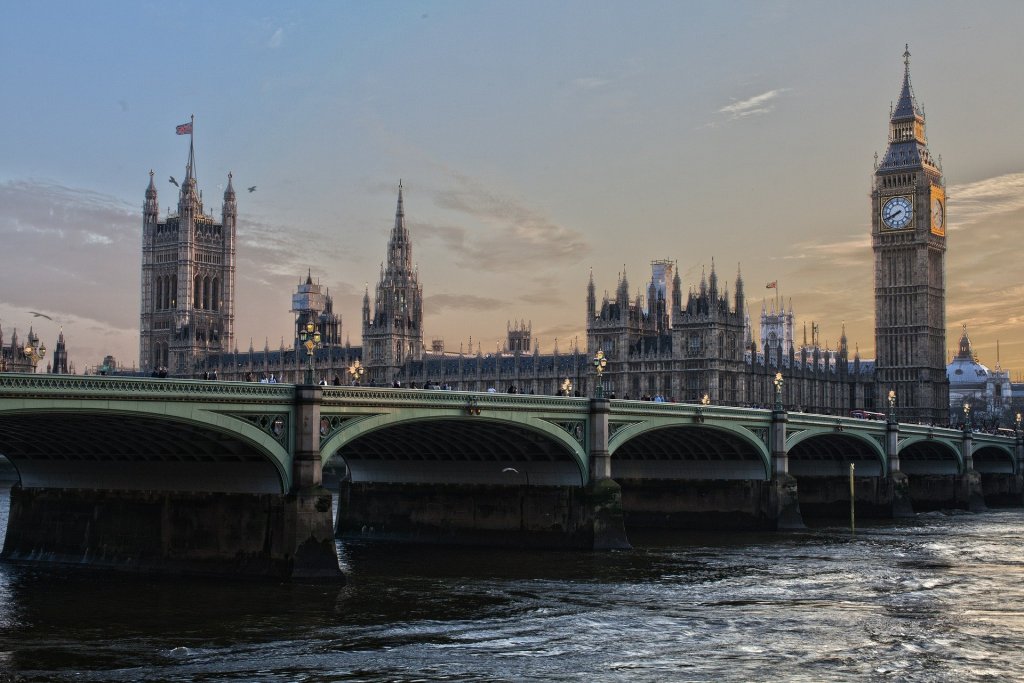
    The Police, Crime, Sentencing and Courts Bill was introduced to parliament on 9th March 2021 (UK Parliament, 2022). Following the police involvement at the Sarah Everard Vigil days later, it entered the wider public’s consciousness, helped by the #killthebill social media campaign. The illiberal attempts to curtail protest have been widely reported and faced criticism from The Times (Hamilton. S, 2021) to the Guardian (2021). But why aren’t we talking about its impact on Gypsy, Traveller and Roma communities more? After all, it’s only going to criminalise their way of life.

    The government is trying to clamp down on so-called “unauthorised encampments,” where people are occupying land against the wishes of the landowner. The bill does this by making trespassing a criminal offence instead of a civil one. Police will have the power to arrest trespassing adults and confiscate their vehicles, which may well be their home. If someone is found guilty, sentences can be up to three months imprisonment and a £2500 fine (Police, Crime, Sentencing and Courts Bill, 2021).

    Gypsies, Travellers and Roma refer to many diverse groups of people, each with distinct cultural heritage, traditions and way of life. Despite rich cultural history, centuries of oppression have contributed to their underrepresentation in history books. At present, there are an estimated 100,000 to 300,000 people who identify as Gypsy, Traveller or Roma (The Traveller Movement, no date). Many groups are considered ethnic minorities (Women and Equalities Committee, 2019) and many traditionally endorsed a nomadic way of life, although the proportion living in static caravan sites – as well as houses – has grown considerably (ONS, 2014). Now, a nomadic way of life is completely under threat.

    The bitter irony of this bill is that it will criminalise unauthorised encampments despite a chronic shortage of spaces on authorised traveller sites. The charity Friends, Family and Travellers revealed in January 2021 that there were 1696 households on waiting lists for pitches, yet only 101 pitches available (Friends, Families & Travellers, 2021). Additionally, research from 2020 showed that only 8 out of 68 local authorities in the South East of England had identified enough land to accommodate the Gypsies, Travellers and Roma in their local area (Nuttal et al., 2020). In short, many people accused of trespassing do so simply because they have nowhere else to go. 

    This lack of traveller sites is recognised as a key issue by the police. In consultations between the police and the Home Office, 93.7% of police forces identified better site provision as the solution to unauthorised encampments, and only 21.7% of respondents supported criminalising them (Gilmore et al., 2020). Yet instead of substantially increasing funding for new sites, or bringing back a statutory obligation to provide sites (as there was in the now-repealed Caravan Sites Act of 1968), the government has decided to press ahead with criminalising unauthorised encampments.

    The wording of the bill is truly frightening. The government is broadly trying to create it an offense to reside on someone else’s land, with a vehicle, not leave when requested and cause harm in the form of offensive behaviour, disruption or damage. However, the wording of the bill encompasses so much more. Someone doesn’t have to have actually resided on the land to be included in the bill, but just be “intending to reside,” and nor do they need to cause actual harm but merely generate a concern that “significant damage or significant disruption . . . is likely to be caused.” Someone doesn’t have to have actually done anything, but simply be deemed to be intending to, in order to be committing a criminal offense. This criminalisation of intent should scare all of us. Yes, giving police powers to act proactively can be considered a good thing in certain limited circumstances. Yet is it a good idea when these powers will likely be mainly used against a group of people who face so much conscious and unconscious prejudice? The definition of offensive behaviour, amongst other things, includes “insulting” behaviour and signs, which will inevitably rely upon the police and landowners subjective experience of this. Is it wise to have a law – which will likely be used against a historically persecuted group – have such subjective terms left open to the interpretation of the police, who like most people will suffer implicit biases?

    If a police officer “reasonably suspects” an offense has occurred (remember that someone might not have actually done anything, but be deemed to be intending to) they can seize any “relevant property”. This includes vehicles, wherever they are located. This will, in all likelihood, be Gypsies, Travellers and Roma homes. The disproportionality of this proposal is staggering. To take away someone’s home, if they are accused of something that was only recently a civil crime. To take away someone’s home without providing a viable legal alternative. To take away someone’s home for something that has a shorter maximum custodial sentence than shoplifting. If the government proposed taking away someone’s home for almost any other minor crimes, be it petty theft, possession of drugs, drunk and disorderly conduct, and quite possibly for far more serious crimes, there would be uproar over the sheer unfairness of it. What I’m really saying is, if this was happening to almost any other group of people, we wouldn’t stand for it. So why are we?

    At the time of writing, a recent defeat of Priti Patel’s particularly draconian amendments regarding protest of the Police, Crime, Sentencing and Courts Bill in the Lords has delayed the bill, but it is still expected that the bulk of it (including the parts about unauthorised encampments) will eventually pass into law. Yes, there is some hope for future legal challenges, likely under Article 8 and Article 14 of the European Convention on Human Rights, or at least judicial guidance over the subjective terms of the bill. But this is by no means a guarantee, and it almost doesn’t bear thinking about how many people will be made homeless, traditions abandoned and families heartbroken before this happens. Yet we must bear to think about it, as it is soon to be the lived experience of many. 

    As this appallingly oppressive and tragically incommensurate bill turns from a nightmare to reality, it is worth remembering the French philosopher Albert Camus’ words: “democracy is not the law of the majority but the protection of the minority.”

    References

    Caravan Sites Act 1968 c. 52. Available at: https://www.legislation.gov.uk/ukpga/1968/52/pdfs/ukpga_19680052_en.pdf (Accessed 25/01/2022/)

    Friends, Families & Travellers (2021). ‘New research shows huge unmet need for pitches on Traveller sites in England’. Available at https://www.gypsy-traveller.org/planning/new-research-shows-huge-unmet-need-for-pitches-on-traveller-sites-in-england/ (Accessed: 25/01/2022).

    Gilmore, V., Kirkby, A. and Dolling, B. (2020). ‘Police renew calls for more Gypsy and Traveller sites in opposition to the criminalisation of unauthorised encampments’. Available at: https://www.gypsy-traveller.org/wp-content/uploads/2020/10/Full-Report-Police-repeat-calls-for-more-sites-not-powers-FINAL.pdf (Accessed 25/01/2022).

    Hamilton, S. (2021). ‘Police crime bill “is harmful to democracy,”’ The Times, 05/07/21. Available at  https://www.thetimes.co.uk/article/policing-bill-is-harmful-to-democracy-ft9dg6r3x (Accessed: 06/01/2022).

    Nuttal, E., Gilmore, V. and Buck, T., (2020). ‘No place to stop: Research on the five year supply of deliverable Gypsy and Traveller sites in the South East of England’. Available at https://www.gypsy-traveller.org/wp-content/uploads/2020/02/Research-on-the-five-year-supply-of-deliverable-Gypsy-and-Traveller-sites-in-the-South-East-of-England.pdf (Accessed 25/01/2022).

    Office for National Statistics. (2014). ‘’2011 Census analysis: What does the 2011 Census tell us about the characteristics of Gypsy or Irish travellers in England and Wales?’. Available at  https://www.ons.gov.uk/peoplepopulationandcommunity/culturalidentity/ethnicity/articles/whatdoesthe2011censustellusaboutthecharacteristicsofgypsyoririshtravellersinenglandandwales/2014-01-21 (Accessed: 25/01/2022).

    Police, Crime, Sentencing and Courts Bill (2021). Parliament: House of Commons. Bill no. 268 (2019-2021). Available at https://bills.parliament.uk/publications/44739/documents/1259 (Accessed: 06/01/2021).

    The Guardian. (2021). ‘The Guardian view on the police bill: a fight for the right to protest,’ The Guardian, 19/12/2021. Available at https://www.theguardian.com/commentisfree/2021/dec/19/the-guardian-view-on-the-police-bill-a-fight-for-the-right-to-protest (Accessed: 06/01/2022).The Traveller Movement. No date. ‘Gypsy Roma and Traveller History and Culture’. Available at: https://travellermovement.org.uk/gypsy-roma-and-traveller-history-and-culture/ (Accessed: 25/01/2022).

  • She’s Just Not Going to Cut It: Women in Surgery

    She’s Just Not Going to Cut It: Women in Surgery

    Holly Dobbing, Year 2

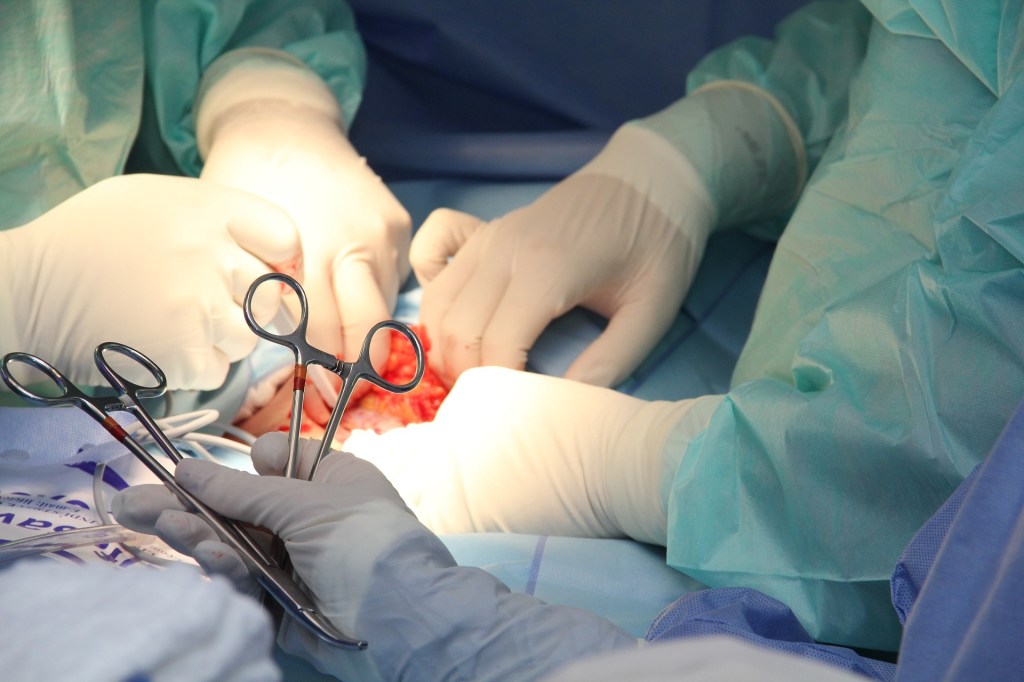
    For decades, women have made up over half of the world’s medical students. However surgery still remains extremely male dominated (Singh et al., 2020). Women are less likely than men to enter and complete surgical training, and even fewer are seen in roles of leadership. This may be due to a plethora of reasons and may differ from hospital to hospital and doctor to doctor, but many studies have concluded that this issue lies not with encouraging women into the specialty, but in making the specialty a more equal, understanding place in which women would want to work.  

    Medical careers as a whole were designed with only men in mind. In 900AD, the first medical school in Europe was founded to train solely men in the art of healing (Nelson, 2015). These training programmes didn’t consider or account for women because women couldn’t even attend university, so maternity leave and having time off to raise children were distant, far-fetched ideas. Because of this, surgical careers have little flexibility in the way of taking time out or working less than full-time. This also means that women are somewhat forced into lower paid career paths because male doctors are likely to have been practicing longer. 

    Women are also deterred from surgical careers because they are significantly more likely to experience misogynistic attitudes and discrimination from patients and colleagues throughout their training and career (Singh et al., 2020). In fact, a study by Harvard medical students found that women are far more likely than men to be verbally discouraged towards surgical careers exclusively because of their gender (Giantini Larsen et al., 2019). This ingrained misogyny also breeds further problems. For example, women are judged more harshly than men when applying for surgical positions (Singh et al., 2020), and in an independent review of the gender pay gap in medicine, the DHSC (Department of Health and Social Care) found that currently in the UK, women doctors earn 18.9% less an hour than men (BMA, 2020). IT IS 2022! Not only are these statistics completely shocking and are likely to discourage women from advancing in a career that they would otherwise excel in, but they are absolutely, unquestionably, unequivocally, totally and utterly unacceptable. Women SHOULD NOT be limited in their career progression or earnings simply because they are women.

    But why is it we allow medicine to continue like this? Is it the old, traditional white male doctors who turn a blind eye? Is it the fact that the majority of people who run the NHS are not even medically qualified? Is it just that we are so used to misogyny that we hardly even pay attention? I don’t know. But what I do know is that it NEEDS to change. It is absolutely imperative that hospitals take a tougher stance on misogynistic behaviour to address and tackle this issue head on. Sexism and gender discrimination should be taken incredibly seriously with a zero-tolerance policy to empower women to speak up if this happens. Plus, surgical training and careers should be more flexible with a better work-life balance and shorter, more accommodating hours to give women the freedom they need to live the life they desire alongside the specialty they are committed to. Women are a vital and necessary part of our NHS and should be treated with understanding, inclusivity and equality throughout their careers. 

    Now I know these changes may seem completely unreasonable and frankly unrealistic given the state of the NHS, and you may be thinking ‘and what exactly is ranting about it on The Worsley Times going to do?’, but this is where change can start. We are tomorrow’s doctors and dentists and nurses, and soon we will have the platform to be able to call out and stand up for what is right. 

    References

    BMA 2020. BMA commentary on Mend the Gap: The Independent Review into Gender Pay Gaps in Medicine in England.

    GIANTINI LARSEN, A. M., PORIES, S., PARANGI, S. & ROBERTSON, F. C. 2019. Barriers to Pursing a Career in Surgery: An Institutional Survey of Harvard Medical School Students. Annals of Surgery, Publish Ahead of Print.

    NELSON, H. 2015. The History of Medicine and Public Health [Online]. Available: https://mrhnelson.wordpress.com/2015/03/02/medical-training-medieval-style/ [Accessed 11 April 2021].

    SINGH, C., LOSETH, C. & SHOQIRAT, N. 2020. Women in surgery: a systematic review of 25 years. BMJ Leader, leader-2019-000199.

  • Two Jabs or You’re Out! Sportspeople and the Covid Vaccine

    Two Jabs or You’re Out! Sportspeople and the Covid Vaccine

    Gabriel Brown, Intercalating

    Unless you’ve been living under a rock for the past month, you will have seen the flip flopping and fanfare regarding the unvaccinated Novak Djokovic’s expulsion from Australia. However, the vaccine scepticism of the world tennis number one seems like one of many consecutive controversies regarding COVID and the sporting world. Are sportspeople reluctant to get vaccinated, and should COVID vaccination be mandatory to compete in elite sport?

    In sports such as football, tennis, and basketball there are high profile examples of unvaccinated players. The question is, are these vaccine sceptics a loud minority, or do they reflect a systemic issue with vaccination in sport? According to the premier league—English football’s highest tier—84% of players have received at least one dose of the COVID vaccine. This appears high when compared to the equivalent cohort of the general population (16-29 year olds), where only around 60% have received their 1st dose. Additionally, 98% of British athletes who travelled to the Tokyo olympics received both doses before the games. British teams competing in other sports such as Formula 1, cycling, international cricket and rugby union have similarly impressive vaccination statistics, with almost 100% uptake rates, considerably higher than the general population. 

    On the international stage, vocal alternative medicine proponents such as NFL player Aaron Rodgers and the poster boy for vaccine scepticism himself, Novak Djokovic, appear to be a disproportionately vociferous minority. According to the BBC, over 90% of NFL players, as well as over 95% of the top 100 male tennis players are double-vaccinated. 

    Although it appears from these statistics that most of the major sporting world has been vaccinated against COVID-19, there is still a small but unprotected minority who are rejecting the vaccine. Dr Gavin Weedon, Senior Lecturer in Sport, Health and the Body at Nottingham Trent University states that conspiracy theories surrounding health are not unique to sport, and the unfounded views of those such as Novak Djokovic and Aaron Rodgers are just amplified by the platform that sport has given them. The spreading of misinformation is also seen in the sporting media. When Sheffield United’s John Fleck collapsed during a football game, pundits on the popular radio channel TalkSport were quick to associate the collapse with COVID vaccinations. 

    As with all medical interventions, there are some legitimate risks associated with COVID vaccination. For example, vaccine-induced myocarditis or pericarditis is extremely rare, and is usually a mild presentation with a short recovery period. Additionally, there is no evidence to suggest that sport is a contributing risk factor. Moreover, Professor Jeffrey Morris, the director of biostatistics at the University of Pennsylvania states that the cardiac inflammation from COVID-19 infection could be six times more likely than from a COVID vaccination. Additional research has found COVID vaccines in elite athletes to be well-tolerated, with few significant side effects. 

    The discussion on COVID-19 vaccination is swamped with misinformation and conspiracy—sport is no exception. Examples such as Novak Djokovic might imply that vaccine scepticism is endemic in sport, however more of the sporting community is vaccinated than equivalent groups of the general population. According to a YouGov poll, 46% of respondents believe sportspeople should have to disclose their vaccine status, but with new plans to crackdown on unvaccinated athletes, vaccine-hesitant sportspeople may soon be excluded from competition, especially abroad. Vaccine scepticism is not unique to sport, nor is it more prevalent than in wider society; the public eye merely augments the controversial opinions of a small but loud minority. 

    References

    BBC 2022. Novak Djokovic: Australian Open vaccine exemption ignites backlash. BBC News. [Online]. [Accessed 1 February 2022]. Available from: https://www.bbc.co.uk/news/world-australia-59876203#:~:text=Australians%20have%20reacted%20angrily%20to,by%20an%20expert%20independent%20panel.

    BBC 2022. Covid vaccine: How many people are vaccinated in the UK?. BBC News. [Online]. [Accessed 1 February 2022]. Available from: https://www.bbc.co.uk/news/health-55274833.

    Conner, J. 2022. Should sportspeople have to be vaccinated against coronavirus in order to compete? | YouGov. Yougov.co.uk. [Online]. [Accessed 1 February 2022]. Available from: https://yougov.co.uk/topics/politics/articles-reports/2022/01/10/should-sportspeople-have-be-vaccinated-against-cor.

    Duarte, F. 2022. Covid-19 vaccine: Why are some athletes so reluctant to get the jab?. BBC News. [Online]. [Accessed 1 February 2022]. Available from: https://www.bbc.co.uk/news/health-59958952.

    Gov.uk 2022. Coronavirus.data.gov.uk. [Online]. [Accessed 1 February 2022]. Available from: https://coronavirus.data.gov.uk/details/vaccinations.

    Hull, J., Schwellnus, M., Pyne, D. and Shah, A. 2021. COVID-19 vaccination in athletes: ready, set, go…. The Lancet Respiratory Medicine. 9(5), 455-456.

    Hull, J., Wootten, M. and Ranson, C. 2022. Tolerability and impact of SARS-CoV-2 vaccination in elite athletes. The Lancet Respiratory Medicine. 10(1), pp.e5-e6.

    Ingle, S. 2021. Some GB Olympic athletes refusing Covid vaccine over side-effect fears. the Guardian. [Online]. [Accessed 1 February 2022]. Available from: https://www.theguardian.com/sport/2021/jun/25/some-gb-olympic-athletes-still-refusing-to-have-covid-vaccine-boa-claims-athletics.

    Majendie, M. 2022. Elite athletes, Covid chaos and vaccine hesitancy. Standard.co.uk. [Online]. [Accessed 1 February 2022]. Available from: https://www.standard.co.uk/insider/sports-covid-vaccine-tennis-premier-league-novak-djokovic-b971922.html.

    Reuters 2022. [Online]. [Accessed 1 February 2022]. Available from: https://www.reuters.com/article/factcheck-coronavirus-sport-idUSL1N2SK160.

    Rumsby, B. 2022. The sports Covid chaos brewing from the athletes who refuse to get vaccinated. The Telegraph. [Online]. [Accessed 1 February 2022]. Available from: https://www.telegraph.co.uk/sport/2022/01/07/covid-unvaccinated-antivax-players-effect-sport-tennis-football/.

  • What is the BSL Bill and Why is it Important for Medical Students to Know?

    What is the BSL Bill and Why is it Important for Medical Students to Know?

    Alice Barber, Intercalating

    The British Sign Language (BSL) Bill passed its second reading in the House of Commons on the 28th of January 2022. (UK Gov. 2022) The Bill, first introduced in June 2021 by MP Rosie Cooper, aims for BSL to be a recognised language with full legal status. (McSorley, C. 2022) It also mandates increased BSL accessibility in public services, including the NHS. Although BSL was formally recognised 19 years ago, the government has failed to follow up on promises to make it a legal language, which is necessary to improve accessibility for many D/deaf people across the UK. (British Deaf Association. 2022) The unopposed passing of the BSL bill on its second reading will now lead to the next stage of the legislative process where it will be assessed by MPs. (O’Dell, L. 2022)

    Looking closer at the BSL Bill reveals how significant its passing will be for BSL users and the D/deaf community. When it hopefully completes the next stages of the legislative process, it will lead to the formation of a BSL users’ advisory board. This will advise the Department of Work and Pensions on the use of BSL in public services, investigate how to increase the numbers of BSL interpreters and look at how the Access to Work scheme can better support BSL users (UK Gov. 2022). All these measures will help make society more accessible for D/deaf BSL users. 

    This is an incredible step forward for the D/deaf community. Currently, D/deaf and hard of hearing BSL users face many barriers in being able to access public services, such as the NHS. This was illustrated during the House of Commons Debate on the Bill when MP Lyn Brown recounted the case of Francesca Bussey, a child of deaf adults (CODA) who had to interpret for her Deaf father as the doctor told him that he was dying (Iqbal, H & Reid, D. 2021). This was just one of many stories of BSL users not being provided with adequate interpreting services to access key information. Not only is this not adequate, but it’s also not legal. The Equality Act 2010 requires that interpreters be available in hospitals for BSL users but, as has been seen repeatedly, this is not enough to ensure accessibility for D/deaf people (Iqbal, H & Reid, D. 2021). The BSL Bill will lead one step closer to BSL users being able to access all public services, including healthcare, via their language. 

    In the passing of the BSL Bill, the government has publicly declared a commitment to promoting the use of BSL. The past few years have highlighted the government’s failings to facilitate BSL use, specifically lacking a BSL interpreter for the daily coronavirus Downing Street briefings during the pandemic (Where is the Interpreter. 2020). When the British Government themselves are failing to follow their own Equality Act, it sets a precedent for other public services. 

    The NHS is one of the key public services that BSL users are fighting for equal access to.  It can be easy as students to think we can’t do anything, but we can be powerful allies. On placement we are on the frontline meeting patients and so are ideally placed to help to increase accessibility. We can start by advocating for BSL interpreters for patients who request them. We can also learn BSL ourselves – there are enough resources out there made by D/deaf teachers that can help us better communicate with D/deaf patients. We can also educate ourselves on D/deaf awareness so that we can better support D/deaf and hard of hearing patients both now and as future doctors.

     It is estimated that 1 in 5 people in the UK are either D/deaf or hard of hearing and so it is almost certain that we will encounter these patients in clinical settings. We should be prepared to support them as best as we can. So, find out whether there are clear masks on the ward you are based on to allow lip readers to see your face, find out how you can request a BSL interpreter, and do your best to learn more about the D/deaf community and hearing loss. 

    There are many resources to learn about BSL and D/deaf awareness but here are just a few:

    References

    British Deaf Association. 2022. BSL Bill passes 2nd reading: UK Deaf community celebrates important step towards legal status of British Sign Language. [Online]. [Accessed 29th Jan 2022]. Available from: https://bda.org.uk/bsl-act-now/

    Iqbal, H., & Reid, D. 2021. ‘The doctors came and I had to tell my father he was dying’.  [Online]. [Accessed 30th Jan 2022]. Available from: https://www.bbc.co.uk/news/stories-59733533

    McSorley, C. BBC. 2022. Government backs bill to promote the use of British Sign Language. [Online]. [Accessed 30th Jan 2022]. Available from: https://www.bbc.co.uk/news/uk-politics-60171412

    O’Dell, L. 2022. British Sign Language (BSL) Bill passes second reading in Commons. [Online]. [Accessed 29th January 2022]. Available from: https://limpingchicken.com/2022/01/28/breaking-british-sign-language-bsl-bill-passes-second-reading-in-commons/

    UK Government. 2022. Government backs vital British Sign Language Bill. [Online]. [Accessed 29th January 2022]. Available from: https://www.gov.uk/government/news/government-backs-vital-british-sign-language-bill

    Where is the Interpreter? 2020. COVID-19 pandemic has brought additional disadvantage and discrimination to the sign language community in the UK. [Online]. [Accessed 30th Jan 2022]. Available from: https://whereistheinterpreter.com/about/

  • Language Barrier: A Poem and Some Solutions

    Language Barrier: A Poem and Some Solutions

    Hira Zaman, Year 2

    The gentleman was in his mid 60s,

    A dress sense like my grandad which hasn’t shifted since the 70s,

    I watched as he nodded blankly to the nurse’s question,

    At every contradicting statement I saw the nurse’s brows furrow in frustration,

    The gentleman turned to me saying beta,

    Is there any way you could help me understand this nurse bethar,

    I looked towards the nurse and she welcomed my input,

    I turned to the gentleman and he smiled thank you puthr,

    I witnessed the creases on his forehead diminish,

    He spoke in full sentences from start to finish,

    After this encounter I empathised,

    I understood why the visits to the doctors were despised,

    By my mother, my grandfather and many others,

    The struggles many immigrants shared with each other,

    The language barrier uncovered.

    Glossary:

    • Beta and puthr—endearing way of addressing someone younger in Urdu
    • Bethar—Urdu for better

    I wrote this poem on the way home after an encounter I had during my primary care placement. The practice where I was situated had a good understanding of the cultural barriers present in consultations due to a diverse patient demographic. The diabetic clinic had pamphlets with diabetic-friendly curry recipes, which I found so useful that I slipped one into my bag for my diabetic grandad. They were very aware of which ethnic groups were more at risk of certain conditions. An example I learned was that South Asian men were more likely to have pilonidal cysts. It even took me by surprise when the nurse seemed to understand the common family dynamics of my own culture. 

    However, I realised that there was an emotional disconnect between the practitioner and the patient through language barriers, which challenged both patient engagement and shared decision making (Suurmond and Seeleman 2006). As healthcare students, we’re taught all these different consultation and communication methods, but we’re rarely taught about how they would need to be adapted when patients have a different first language or when an interpreter is present.

    Effective communication is vital as miscommunication can lead to a higher prevalence of adverse events (Shamsi and Almutairi 2020) So, what can we do to break this language barrier? One possibility is to make it compulsory to ask patients if they require an interpreter when they’re booking appointments.  This should be done even when the person on the phone speaks fluent English, since a lot of people ask English-speaking family members to book appointments on their behalf—I often book appointments for my mum. 

    Practices should also try to hire at least one bilingual staff member and offer this clinician to patients who aren’t proficient in English. Patients would be more likely to attend regularly having built an understanding with a clinician within the practice (O’Donnel et al. 2008).

    Additionally, practices should encourage healthcare professionals to use diagrams or pictures to explain conditions and instructions. Hospitals regularly have volunteers, ranging from high school students to adults such as porters. I think primary care should also consider volunteers who could interpret for patients when an interpreter isn’t available. Healthcare students would be great for this role, but it would be beneficial to provide volunteers with training beforehand. Alongside these volunteers, the NHS should create a library of short videos made by GPs explaining different conditions or examinations in different languages. These videos could be played during the consultation and would reduce the risk of miscommunication, whilst saving time and improving patient understanding and engagement. It’s important that we encourage interpreters to feel comfortable asking questions and challenging a healthcare providers decision, when they feel that an option hasn’t been explored enough for the patient to form an informed decision.

    No patient should ever have to avoid accessing care just because their first language isn’t English. As future healthcare professionals, we need to put our frustrations aside when patients don’t understand us and realise how challenging it must be for a patient to not be understood when their health is compromised. We need to be more innovative—there is so much room for improvement when it comes to reducing the impact of language barriers on the quality of care. On-call online interpreters, System1 updates that include visual and verbal explanations for different conditions in different languages or even pocket translation devices are three simple changes that could do wonders. 

    Alongside many others, English language proficiency is a major social determinant of health, and that needs to change (Rowlands et al. 2015)

    References

    Al Shamsi, H., Almutairi, A.G., Al Mashrafi, S. and Al Kalbani, T. 2020. Implications of Language Barriers for Healthcare: A Systematic Review. Oman Medical Journal. 35(2).

    O’Donnell, C.A., Higgins, M., Chauhan, R. and Mullen, K. 2008. Asylum seekers’

    expectations of and trust in general practice: a qualitative study. The British Journal of

    General Practice. 58(557), pp.e1–e11.

    Rowlands, G., Shaw, A., Jaswal, S., Smith, S. and Harpham, T. 2015. Health literacy and the

    social determinants of health: a qualitative model from adult learners. Health Promotion

    International. 32(1), pp.130–138.

    Suurmond, J. and Seeleman, C. 2006. Shared decision-making in an intercultural context.Patient Education and Counseling. 60(2), pp.253–259.

  • What #MedBikini Has Taught Us About Professionalism

    What #MedBikini Has Taught Us About Professionalism

    Amy Wilson, Year 2

    A row over female doctors in bikinis has led to fresh debate over privacy and how behaviour on social media might affect the public image of the profession. It began when the Journal of Vascular Surgery published an article entitled ‘Prevalence of Unprofessional Social Media Content Among Young Vascular Surgeons’ (Hardouin et al., 2020). The article was later retracted and the authors apologised on Twitter after it sparked a hashtag on social media that has seen doctors of all genders post pictures of themselves in swimwear to protest traditional views on professionalism. 

    It was written by three senior vascular surgeons with the aim of evaluating how levels of professionalism on physicians’ social media affects doctor-patient relationships (Hardouin et al., 2020). The surgeons created fake Twitter, Instagram and Facebook accounts to surveil the feeds of 480 of their peers—without their permission (Hardouin et al., 2020).

    Though their methods caused debate, it is their conclusions that raised the most objections. The biggest area of contention was around what Hardouin et al (2020) called ‘inappropriate/offensive attire’, referring to female doctors who posted ‘provocative’ images of themselves in bikinis or Halloween costumes.

    The way in which female doctors were singled out in the study—despite the authors concluding that unprofessional conduct did not differ significantly between men and women—sparked a huge response. ‘#MedBikini’ went viral across multiple social media platforms, prompting many doctors to post pictures of themselves in bikinis and other similar attire in an open criticism of restrictive views on professionalism.

    So, is this behaviour actually unprofessional? Given the conclusion that there were no violations of the Health Insurance Portability and Accountability Act (HIPAA; an act designed to protect patient health information), nor was there anything requiring disciplinary action, this would suggest that it is not unprofessional behaviour.

    While this was a US study, the problem of how doctors use social media remains relevant here in the UK. The General Medical Council (GMC) guidelines do not explicitly call this behaviour unprofessional. In ‘Doctors’ Use of Social Media’ (GMC, 2013), the GMC calls for doctors to maintain a professional boundary and not to do anything to jeopardise trust in the profession. The question this raises is whether a balance can be had in maintaining both professionalism and liberty in a doctor’s free time. Does wearing a bikini really jeopardise trust in a doctor?

    The answer is, unfortunately, yes. It appears that this traditional view of professionalism stems from subconscious biases about what a good doctor should look like. A 2017 study by the University of Cambridge found that attractive women are thought of as being worse scientists than their peers (Gheorghiu et al., 2017). A public statement by the editors of the Journal of Vascular Surgery has suggested that this bias was present in the study; the researchers admitted that one error in their review process was the presence of conscious and unconscious bias on their part (Shapiro, 2020).

    Dr. Mudit Chowdary, a Chief Resident in Radiation Oncology at Rush University in Chicago, openly criticised the study. He agreed with the idea that doctors should be held to a higher standard of professionalism, especially when it comes to issues of confidentiality. However, he saw the medical field’s view of higher standards as ‘highly conservative and misogynistic’ (Kato, 2020).

    This is not the first time there has been a viral hashtag surrounding conservative views of what constitutes professionalism. In 2016, #ILookLikeASurgeon began to trend, drawing attention to gender and racial diversity in a typically white and male-dominated field. Dr Elizabeth Comen, a New York oncologist and breast cancer specialist, summed up the importance of these hashtags by saying ‘The more attention we give to these issues, the less women will feel alone in their experiences’ (Kaur, 2020). 

    Feelings of restriction, both in professional and personal life, can easily lead to medic burnout. Toniya Singh, chair of the American College of Cardiology’s Women in Cardiology Council, said, ‘What is inappropriate to one person may not be inappropriate to another person’. She added that the study seemed to ask for, ‘physicians to censor themselves from just doing things that normal people get to do’ (Cox, 2020).

    The nebulous nature of what the study considered unprofessional did not only apply to clothing choices. Although the vascular surgeons study did reference issues like patient privacy, behaviour labelled as unprofessional also included drinking alcohol and ‘controversial social topics’, such as discussions of LGBTQ+ rights, abortion and gun control (Hardouin et al., 2020). Elisabeth Bik, a blogger on science integrity, wrote: ‘Is a doctor who posts about gun control laws after sewing up another gunshot victim being unprofessional?’ (Bik, 2020) 

    The #MedBikini debate continues. Many are calling for changes to long-established, conservative views about what it means to look and act a doctor. Those changes might be a while coming, but they also raises vital questions about the role of a doctor. Perhaps it was put most succinctly by Christina LaGamma who tweeted:In medical school we are taught to honour the body, including all physical, mental, and emotional aspects. That should not preclude me from loving and being confident in my own’ (Cox, 2020).

    References

    Bik, E. 2020. #MedBikini paper will be retracted. Science Integrity Digest. 26 July [Online]. [Accessed 31 October 2020]. Available from: https://scienceintegritydigest.com/2020/07/26/medbikini-paper-will-be-retracted/

    Cox, C. 2020. #MedBikini vs JVS: Paper Spurs Debate Over Sexism, Social Media in Medicine. TCT MD. 30 July [Online]. [Accessed 31 October 2020]. Available from: https://www.tctmd.com/news/medbikini-vs-jvs-paper-spurs-debate-over-sexism-social-media-medicine

    General Medical Council. 2013. Doctor’s Use of Social Media. London, GMC. 22 April [Online]. [Accessed 6 October 2020]. Available from: https://www.gmc-uk.org/ethical-guidance/ethical-guidance-for-doctors/doctors-use-of-social-media/doctors-use-of-social-media#paragraph-4

    General Medical Council. 2013. Maintaining a professional boundary between you and your patient. London, GMC. 22 April [Online]. [Accessed 6 October 2020]. Available from: https://www.gmc-uk.org/ethical-guidance/ethical-guidance-for-doctors/maintaining-a-professional-boundary-between-you-and-your-patient/maintaining-a-professional-boundary-between-you-and-your-patient#paragraph-3 

    Gheorghiu, A. I., et al. 2017. Facial appearance affects science communication. Proceedings of the National Academy of Sciences. 114 (23), 5970-5975

    Hardouin, S., et al. 2020. RETRACTED: Prevalence of unprofessional social media content among young vascular surgeons. Journal of Vascular Surgery. 72(2), 667-671.

    Kato, B. 2020. Doctors are sharing bikini selfies after study criticizes ‘inappropriate’ attire. NY Post. 24 July [Online]. [Accessed 31 October 2020]. Available from: https://nypost.com/2020/07/24/doctors-share-bikini-selfies-to-protest-controversial-study/

    Kaur, W. 2020. “Too Pretty To Be A Doctor”: Female Physicians, #MedBikini, And Who Determines What’s ‘Professional’. Elle. 10 September [Online]. [Accessed 6 October 2020]. Available from: https://www.elle.com/beauty/a33796252/women-doctors-medbikini-sexism/

    Segal, J. 2020. Bikinis and Unprofessionalism. Byrdadatto. 3 September [Online]. [Accessed 31 October 2020]. Available from: https://www.byrdadatto.com/banter/bikinis-and-unprofessionalism/?utm_content=139104967&utm_medium=social&utm_source=twitter&hss_channel=tw-732612374306258945

    Shapiro, N. 2020. Viral #MedBikini Response To Controversial Manuscript Leads Editor To Retract Article. Forbes. 23 July [Online]. [Accessed 6 October 2020]. Available from: https://www.forbes.com/sites/ninashapiro/2020/07/25/viral-medbikini-response-to-controversial-manuscript-leads-editor-to-retract-article/#39a8fd331f47

  • How Vaccine Hoarding is Affecting the Course of the Pandemic

    How Vaccine Hoarding is Affecting the Course of the Pandemic

    Amy Wilson, Year 2

    On the 4th of August 2021, The World Health Organisation set a December 2021 deadline to vaccinate 40% of the world’s population and to request High-Income Countries (HICs) to stop distributing boosters for at least two months to reroute their surpluses to other countries via COVAX, the vaccine distribution programme (Towey, R. 2021). As 2022 begins, this target has not been met.

    Doctors Without Borders (2021) reports that, whilst more than 60% of the population of HICs have had at least one dose of a COVID-19 vaccine, less than 3% of those in Low-Income Countries (LICs) have. This is in part due to the lack of vaccines being donated; Brown, G. (2021) states that as of November 2021, the UK has delivered 11% of what it initially promised, the EU 19%, and the US 25%. China and New Zealand have done the best of any HICs but have still only delivered half of their respective targets. This unfair distribution is being called “vaccine hoarding”, and, according to Doctors Without Borders (2021), could lead to 241 million doses being wasted by G7 and EU countries by the end of 2021 as they reach their expiration date.

    This issue starts with the suppliers. Pfizer-BioNTech and Moderna have allocated 78% and 85% respectively of their COVID-19 vaccine delivery to HICs, according to Doctors Without Borders (2021). They are also the main groups with the patent for the vaccines, leaving LICs vulnerable as they cannot make their own vaccines without being sued, and so must rely on what is donated.

    India and South Africa called on the World Trade Organisation (WTO) to change this, according to Dearden, N. (2021), by petitioning for Trips—an intellectual property (IP) agreement which allows pharmaceutical companies a monopoly on medical knowledge—to be partially suspended. The suspension of Trips would allow more vaccines to be produced in bulk by other manufacturers. However, there are some issues with this proposal. Given how new mRNA vaccines are, only a small number of people know how to make them and have the resources to. According to BBC News (2021), BioNTech have said that simply removing the patent won’t account for the time needed to develop the manufacturing process and validating production sites, which could lead to quality and safety issues.

    Despite this, the proposal is now being supported by HICs such as the US, China, and Russia, alongside many LICs, the WHO and UNAIDS, and many bodies agree this may be the best route to boosting global supply, as was stated by Nature (2021).

    Currently, the waiver has not yet gone through, and there still remains a great inequality in the distribution of vaccines. As Omicron continues to spread and a large proportion of the world’s population remains unvaccinated, Doctors Without Borders (2021) predicts almost one million lives may be lost by mid-2022, with most deaths occurring in LICs, and more variants may develop if vaccines aren’t rapidly redistributed.

    Vaccine hoarding is affecting millions around the world, particularly in LICs. If the disparity is not resolved soon, it will continue to do so for months, and maybe even years, to come.

    References

    BBC News. (2021). Covax: How many Covid vaccines have the US and the other G7 countries pledged?. [Online]. [Accessed 17/12/2021]. Available from: https://www.bbc.co.uk/news/world-55795297. 

    Brown, G. (2021). A new Covid variant is no surprise when rich countries are hoarding vaccines. [Online]. [Accessed 17/12/2021]. Available at: https://www.theguardian.com/commentisfree/2021/nov/26/new-covid-variant-rich-countries-hoarding-vaccines.

    David, D. (2021). Covid: The vaccine patent row explained. [Online]. [Accessed 17/12/2021]. Available from: https://www.bbc.co.uk/news/business-57016260. 

    Dearden, N. (2021). Developing nations may give up on the WTO for good if it won’t budge on vaccine patents. [Online]. [Accessed 17/12/2021]. Available from: https://www.theguardian.com/commentisfree/2021/nov/29/developing-nations-wto-vaccine-patents-covid-britain.

    Doctors Without Borders (2021). US must stop hoarding excess COVID-19 vaccine doses. [Online]. [Accessed 17/12/2021]. Available from:
    https://www.doctorswithoutborders.org/what-we-do/news-stories/news/us-must-stop-hoarding-excess-covid-19-vaccine-doses  

    Nature. (2021). A patent waiver on COVID vaccines is right and fair. [Online]. [Accessed 17/12/2021]. Available from: https://www.nature.com/articles/d41586-021-01242-1.

    Towey, R. (2021). WHO criticizes wealthy nations for hoarding Covid treatments and vaccines, saying it’s prolonging pandemic. [Online]. [Accessed 17/12/2021]. Available from: https://www.cnbc.com/2021/09/07/who-says-wealthy-nations-are-prolonging-pandemic-by-hoarding-covid-treatments-and-vaccines.html.

  • Free Healthcare – An Opinion on a Long-time Debate

    Free Healthcare – An Opinion on a Long-time Debate

    Adithi Randeni, Year 2

    Considering this pandemic, healthcare is now, more than ever, in the spotlight. It is being pushed to its limits all over the world and therefore presents an opportunity to ask: is free healthcare really all that it was meant to be?

    Even with the breakthroughs that science makes on an almost daily basis, many around the world cannot afford basic healthcare – a right akin to the right to life. With pharmaceutical giants charging extortionate prices for medication, a shortage of medical professionals and budget cuts at every turn, healthcare is a facet of our lives that needs re-evaluating. 

     ‘The strategy of the free healthcare system is to ensure that every citizen, from any socio-economic background, has proper access to health services at a minimal cost or no cost at all’ (Honest Pros and Cons, 2020). Free healthcare lowers costs for individuals. It ensures those paid lower wages have equal access to health facilities. In Portugal ‘those who are not in employment, dependent family members, or retirees do not have to make [tax] contributions’ to the healthcare system (Cronin, J. 2018) (Expatica, 2020). 

    Free healthcare has its financial benefits within the industry. For one, it lowers administrative expenses. In the free market, doctors negotiate with agencies for medical supplies. This is overcome in a setting like the NHS by allowing tasks to be undertaken by one group (Honest Pros and Cons, 2020). Free healthcare also reduces long-term costs (Honest Pros and Cons, 2020). By providing the entire population with access to health services it ensures that illness is caught and treated early. This lowers the likelihood of citizens developing chronic illnesses that are expensive to treat due to the duration over which care must be provided. (Honest Pros and Cons, 2020).

    Healthcare access to all, in a very round-a-bout manner, boosts the economy. Universal healthcare ensures that fewer employees get sick and so productivity increases, allowing economic growth (Honest Pros and Cons, 2020). It also eliminates competition. Many multi-billion-dollar industries prioritise quantity over quality. By standardizing care and costs, the healthcare industry has overcome this organisational issue (Honest Pros and Cons, 2020). On the subject of standardisation, the implementation of universal healthcare ensures equal quality services across the country. 

    However, free healthcare decreases the motivation to innovate. If everything is standardised and there is less opportunity to progress, individuals are less keen to improve current procedures. This is unfavourable as improvement requires progress and progress requires innovation. Therefore research and entrepreneurial experience should be factor in any healthcare professionals’ CV (Kandie, L. 2020). 

    Free healthcare can degrade service quality as well. A larger population means more people accessing services. This causes longer waiting periods, tired staff and equipment shortages. This decreases standard of care, sometimes with fatal consequences. A study by Maphumulo et al (2019) found a ‘Decline in quality health care has caused the public to lose trust in the healthcare system in South Africa’. It also concluded that quality care requires ‘fewer errors, reduced delays in care delivery, improvement in efficiency, increased market share and lower cost[s]’ (Maphumulo, W.T., 2019).

    Additionally, free healthcare prioritizes chronic diseases. Most hospital beds are filled with patients who will require around the clock care for extended periods of time (Honest Pros and Cons, 2020). This severely limits the resources available for other procedures. This method also brings with it the less obvious risk of increasing the number of chronic patients in the population overall. For example, when elective surgeries are pushed back, the likelihood of the condition progressing and the patient deteriorating increases. This leads to increased hospital admission times and amount of care needed. 

    Universal healthcare also poses a major burden to a government’s budget. Healthcare costs account for most of the spending of most governments and whilst developed nations may be able to shoulder the burden and proceed, developing nations run the risk of entering debt. Consequently, it also causes one of two undesirable coping measures. Either funding for healthcare itself is reduced, or funding for equally vital fields such as education are cut. A key factor noted by Localiiz (2017) is that the Hong Kong healthcare system, despite all its achievements, provides ‘Limited access to patients with special needs or different backgrounds’ due to the funding difficulties. 

    Conversely, at the risk of sounding unbelievably cliché, free healthcare allows doctors to uphold their oath to save lives without discrimination (the discriminatory factor being, in this case, financial status). Universal healthcare has the potential to allow the child who would otherwise die of pneumonia to grow up and live a full and healthy life; it gives the couple who are struggling to have children the chance to start a family of their own; it enables the father diagnosed with prostate cancer to live to hold his grandchildren in his arms—regardless of how much they earn on an annual basis.

    After examining the pros and cons, we should consider the healthcare system of Sri Lanka. A report by the World Health Organisation (Perera and Perera, 2017) describes this as ‘a healthcare system in transition’. Set up to battle communicable diseases such as malaria which it has successfully eradicated since 2013 and polio since 1993, this system is credited for the country’s quick and efficient response to COVID-19. However, it is under reform to account for non-communicable diseases and it is changing to better improve care. 

    In conclusion, universal healthcare has a multitude of advantages, both moral and financial. However, its pitfalls cannot be overlooked. Therefore, the most ideal situation would be to reform and change current healthcare systems to maximize tax usage and to maximize availability. Change is possible. If one nation, such as Sri Lanka, can strive to alter a decades long initiative, then change is just as viable all around the world. 

    References

    Cronin, J. 2018 Is Free Healthcare a Possibility for International Citizens or Travelers?. Countries with Free Healthcare [Online]. [Accessed 14th Nov 2020]. Available from: https://www.internationalinsurance.com/health/countries-free-healthcare.php 

    Expatica, 2020. A Guide to Healthcare in Portugal. Expatica [Online]. Available from: https://www.expatica.com/pt/healthcare/healthcare-basics/healthcare-in-portugal-106770/ 

    Kandie, L. 2020 Advantages and Disadvantages of Free Healthcare. Briefly [Online]. [Accessed 14th Nov 2020]. Available from: https://briefly.co.za/47269-advantages-disadvantages-free-health-care.html 

    Localiiz, 2017. Opinion: The Problem with Public Healthcare in Hong Kong 11th Jan 2017 My Life in Hong Kong [Online]. [Accessed 12th Nov 2020]. Available from: https://www.localiiz.com/post/opinion-the-problem-with-public-private-healthcare-in-hong-kong 

    Maphumulo, W.T. 2019. Curationis Challenges of quality improvement in the healthcare of South Africa post-apartheid: A critical review 42(1): 1901 [Online]. [Accessed 14th Nov 2020]. Available from: doi: 10.4102/curationis.v42i1.1901 or https://www.ncbi.nlm.nih.gov/pmc/articles/PMC6556866/ 

    Perera, A. and Perera, H., 2017. Primary Healthcare Systems (PRIMASYS) Case Study From Sri Lanka. WHO [Online]. [Accessed 15th Nov 2020]. Available from: https://www.who.int/alliance-hpsr/projects/alliancehpsr_srilankaprimasys.pdf?ua=1 Racheal, 2020 11 Pros and Cons of Free Healthcare 16th March 2020. Honest Pros and Cons [Online]. [Accessed 14th Nov 2020]. Available from:  https://honestproscons.com/pros-and-cons-of-free-healthcare/

  • Who’s to Blame for the Opioid Crisis?

    Who’s to Blame for the Opioid Crisis?

    Muhammad Khizar Hayat, Year 1

    In  2017, the opioid epidemic (widespread misuse of opioids) in the USA claimed the lives of 68,400 people (Ahmad et al., 2022), more than gun violence that year. The ongoing crisis isn’t isolated to the USA, however: in Britain opioids on par with Class A drugs are easily accessible to the public. The actual effectiveness of opioids is questionable, with some people who feel completely relieved of pain and some left completely stupefied by the drugs. This poses a large question: how did this happen, and who is to blame? In this article, I will investigate the role of legislators, doctors, and pharmaceutic companies, as well as possible solutions for this problem.

    Opioids are defined as “substances used to treat moderate to severe pain”. The opioid family includes drugs such as heroin, morphine, and codeine which are derived from the opium poppy. The largest and oldest opium producers include Afghanistan, Pakistan, Burma and India. Ancient Sumerians called the plant Hul Gil or the “joy” plant, suggesting the dissociative nature of the drug. Opium was commonly used in Islamic empires as an anaesthetic during surgery and other medical treatment. Avicenna described the effects of opioids in his book The Canon of Medicine, mentioning analgesia, respiratory depression, and neuromuscular disturbances. Nowadays, opioids are available ‘over-the-counter’ in the form of co-codamol, which contains codeine mixed with paracetamol. Due to the extremely addictive nature of opioids, it is not advised  to take co-codamol for more than three days, yet there is virtually nothing stopping someone from buying more. On top of that, doctors can prescribe much more powerful drugs, such as codeine, which achieves levels of sedation akin to heroin and morphine. Fentanyl, the most powerful opioid available on prescription, is 50-100 times stronger than morphine. 

    Humans have known of the potential harmful effects of opioids since approximately 1025 CE. The question is, why has the abuse of these drugs proliferated to such a stage?

    One reason why opioid misuse has increased could be the complacency of doctors. Criticism befalls doctors, as some believe that it is easier for doctors to simply prescribe a pain-killer rather than treat the cause. Less than 10% of patients who receive opioid treatment for chronic pain find it effective, experiencing more side-effects than benefits. The analgesic, effect of opioids may be useful to treat acute pain, however in cases of overuse an inability to feel pain for long periods can be detrimental – patients could severely harm themselves without knowing. The largest risk of opioid misuse is overdose, resulting in respiratory depression and death from hypoxia. The rise in overdose rates has been correlated with increasing prescription rates, which some argue can be linked to the mass production of opioids by pharmaceutical companies. 

    According to the NHS business services Authority, 12.8% of the adult population were prescribed opioids in 2017/18. Despite this being a decrease from 2016, it is still a problem. In America, drug companies saturated the market with 76 billion oxycodone and hydrocodone tablets (codeine compounds), with only 6 companies dispensing 75% of those tablets. Opioid sales in America rose 40% between 2006 to 2012, peaking at $8.5 billion. Purdue Pharma sold $3.1 billion worth of OxyContin. In total, 76.2 billion opioids were produced in the period between 2006 and 2012 in the US. In Brighton, Colorado, a town with a population of mere 38,000, 2000 pills were ordered each day during that time. The McKesson pharmaceutical corporation filed only 16 of 1.6 million orders into Colorado as suspicious. This shows how the drug companies in America eventually flooded the streets with opioids, causing the epidemic that ravages America to this day. Similarly in Britain, GSK raked a total of £4.1 billion in operating profit from  opioid manufacturing.. 

    What is to stop these corporations from producing extreme quantities of drugs and in turn addicting more and more of the population? Why didn’t they stop dispensing drugs when they reached a certain threshold? The answer to both questions is simple: profit. Profit can drive these companies to produce more opioids, advertising them to the public, which then increases the demand, and feeds into this vicious cycle. Surely this shouldn’t be legal, which makes us want to investigate the role of the legislators in this problem.

    McKesson in America spent $2,6 million on lobbying politicians and lawmakers for their own personal gain. In the past decade, Big Pharma spent $2.5 billion on the careers and campaigns of politicians. These are some examples of how to encourage lawmakers to ignore the foul practices of drug companies. This creates large holes in the legislation which allow the volume of opioids produced to continually increase. These examples from the US are reflected in the UK market as well, with Pfizer and GSK playing large roles in the UK’s economy. 

    These large gaps in legislation probably wouldn’t exist if the drug companies didn’t bring in such large amounts of revenue for  countries, and conversely there wouldn’t be such high demand for opioids if doctors made less prescriptions. Perhaps if the pharmaceutical giants produced alternative drugs to opioids, that would aid the problem as well. 

    Evidently, there is no clear solution to the problems of doctors, drug companies and diplomats, so what can we do to help? 

    Educating people about risks associated with opioids can help them realise the problem. Many people have opioids advertised to them by their doctors or even in the public space, in countries where it is legal. If educated, patients could make more assertive decisions even if prescribed opioids, and by rejecting them—contribute to decreased demand. Education about the use of opioids poses its own problems, however. People may start taking opioids to feel cool, promoting social status; it could even be that suicide rates are effected when the prospect of a painless death is more publicised. If education is not be the best solution, what could be?

    Placebo is investigated as a possible replacement for opioids. The placebo effect can be used in place of actual drugs, as the brain believes it will work wonders. This may be effective; however, it poses the risk of being ineffective in people who are too aware of how a placebo to works. This wouldn’t work on people who use herbal remedies, as they do not believe entirely in the power of a tablet so they might reject the placebo. 

    In brief, the opioid problem is an extremely difficult one to solve, with each solution carrying associated risks. It is also extremely difficult to pin the blame for why the opioid crisis has occurred, as all segments of the authority involved are equally culpable. The future holds uncertainty for the case of opioids in Britain, but wishful thinking, paired with reflection on the events that have led us here, offer the possibility that circumstances might change. Drug companies might realise the error in their ways and cut down on the production of opioids, compelled by new legislation, in turn making doctors decrease the number of prescriptions. For the present, however, that notion seems not just wishful—but outlandish.

    References

    Ahmad, F.B. & Rossen, L.M., 2022. Products – vital statistics rapid release – provisional drug overdose data. Centers for Disease Control and Prevention. Available at: https://www.cdc.gov/nchs/nvss/vsrr/drug-overdose-data.htm [Accessed January 23, 2022].