Category: Current Affairs

  • The Gene-iuses Behind Genetic Study in Leeds: The Nuances of Neonatal Screening

    The Gene-iuses Behind Genetic Study in Leeds: The Nuances of Neonatal Screening

    Anna Aksenova, Third Year Medicine

    The Leeds Teaching Hospital Trust (LTHT) has taken part in a new and exciting research study called the Generation Study, offering newborns whole genome sequencing (WGS), to detect over 200 rare and treatable genetic conditions. The testing for the conditions is non-invasive, with blood samples collected from the umbilical cord after birth. The suspected conditions are then tested for within the following 28 days. Leeds General Infirmary and St James’ University Hospital are the participating hospitals from LTHT, amongst a number of other NHS trusts located nationally. The study is led by Genomics England in partnership with NHS England and is open to the general public. They aim to recruit over 100,000 participants, making it one of the largest studies to ever be conducted on neonates (Genomics England, 2025). Currently, the NHS routinely screens the newborns for 9 serious and potentially life-threatening diseases: sickle cell anaemia, cystic fibrosis, congenital hypothyroidism, phenylketonuria, medium-chain acyl-CoA dehydrogenase deficiency, maple syrup urine disease, isovaleric acidaemia, glutaric aciduria type 1 and homocystinuria. The Generation Study however, being an optional and supplementary test, offers to screen for a significantly higher number of rare treatable genetic conditions (200+), that often do not present until early childhood or adolescence. Another key aim is to improve symptom management and long-term health outcomes, for those with these disorders. NHS England (2025) hopes this will be accomplished by early detection of these disorders, as seen in the Generation Study.  

    Whilst the benefits of newborn genetic testing include early diagnosis and treatment (or even prevention) of the disease, there have been some ethical concerns. Since children will be pre-symptomatically screened, they are potentially exposed to overtreatment, which may lead to iatrogenic complications. Due to poor prognosis, the study has excluded illnesses such as Alzheimer’s and Huntington’s disease from the list of disorders screened for, instead only screening for treatable conditions (Esquerda et al., 2020). Incidental findings also are a topic of discussion about the balance of benefits, costs and harms of testing on the patients and their families (Lantos, 2023). Parental views on the use of WGS have been studied, with concerns raised such as issues with informed consent, mistrust and use of the data collected. The Family System Theory also states that one event has potential to affect the whole family which would need to be accounted for (Holm et al., 2018). Whilst the general consensus was positive, there is a need for increased counselling, transparency and support of those participating (Joseph et al., 2016), which the Generation Study has committed to providing (Genomics England, 2025).

    Globally, previous studies have alluded to many benefits to using WGS as a screening tool in neonates. WGS allows for specific genes to be identified and offer a molecular diagnosis for Mendelian disorders. Furthermore, within this study, WGS proved to have fewer false positives than basic screening tests offered. This means it identified more conditions and confirmed previously inconclusive results (Bodian et al., 2015). WGS is already used by the NHS in children when rare genetic conditions with varied differential diagnoses. However, using WGS as a screening tool does not rule out diagnosis for conditions that are non-genetic in origin or are multifactorial (Berg et al., 2017). There are further challenges of variants of unknown significance that would need to be investigated, to identify the potential risks of disease as often different variants will result in different characterisation of each disease (Chen et al., 2023).  Using WGS on such a large scale can also allow for variants to be identified within regional populations (Kuriyama et al., 2016). 

    WGS has been used in neonates on one of the largest scales in the world, in the Generation Study. WGS provides screening for rare conditions to offer early treatment and prevention, and it may allow for more personalised medical care and better long-term health outcomes. Moreover, the data collected will aid healthcare research into these rare conditions, potentially allowing for new advances in treatments, specific genetic tests and become the future of neonatal screening. However, using WGS could impact the NHS economically and structurally, requiring the NHS to navigate psychosocial, ethical and legal conflicts that may arise by using such a large-scale screening type. However, the use of genomics could lead to better patient outcomes and reduce long-term health complications. The Generation Study could be transformative, prompting the use of WGS nationwide. 

    Reference list:

    Berg, J.S., Agrawal, P.B., Bailey, D.B., Beggs, A.H., Brenner, S.E., Brower, A.M., Cakici, J.A., Ceyhan-Birsoy, O., Chan, K., Chen, F., Currier, R.J., Dukhovny, D., Green, R.C., Harris-Wai, J., Holm, I.A., Iglesias, B., Joseph, G., Kingsmore, S.F., Koenig, B.A. and Kwok, P.-Y. 2017. Newborn Sequencing in Genomic Medicine and Public Health. Pediatrics. 139(2), p.e20162252.

    Bodian, D.L., Klein, E., Iyer, R.K., Wong, W.S.W., Kothiyal, P., Stauffer, D., Huddleston, K.C., Gaither, A.D., Remsburg, I., Khromykh, A., Baker, R.L., Maxwell, G.L., Vockley, J.G., Niederhuber, J.E. and Solomon, B.D. 2015. Utility of whole-genome sequencing for detection of newborn screening disorders in a population cohort of 1,696 neonates. Genetics in Medicine. 18(3), pp.221–230.

    Chen, T., Fan, C., Huang, Y., Feng, J., Zhang, Y., Miao, J., Wang, X., Li, Y., Huang, C., Jin, W., Tang, C., Feng, L., Yin, Y., Zhu, B., Sun, M., Liu, X., Xiang, J., Tan, M., Jia, L. and Chen, L. 2023. Genomic Sequencing as a First-Tier Screening Test and Outcomes of Newborn Screening. JAMA Network Open. 6(9), p.e2331162.

    Esquerda, M., Palau, F., Lorenzo, D., Cambra, F.J., Bofarull, M., Cusi, V. and Interdisciplinar en Bioetica, G. 2020. Ethical questions concerning newborn genetic screening. Clinical Genetics. 99(1).

    Genomics England 2025. Homepage – Generation Study. http://www.generationstudy.co.uk. [Online]. Available from: https://www.generationstudy.co.uk/.

    Holm, I.A., Agrawal, P.B., Ceyhan-Birsoy, O., Christensen, K.D., Fayer, S., Frankel, L.A., Genetti, C.A., Krier, J.B., LaMay, R.C., Levy, H.L., McGuire, A.L., Parad, R.B., Park, P.J., Pereira, S., Rehm, H.L., Schwartz, T.S., Waisbren, S.E., Yu, T.W., Green, R.C. and Beggs, A.H. 2018. The BabySeq project: implementing genomic sequencing in newborns. BMC Pediatrics. 18(1).

    Joseph, G., Chen, F., Harris-Wai, J., Puck, J.M., Young, C. and Koenig, B.A. 2016. Parental Views on Expanded Newborn Screening Using Whole-Genome Sequencing. PEDIATRICS. 137(Supplement), pp.S36–S46.

    Kuriyama, S., Nobuo Yaegashi, Fuji Nagami, Arai, T., Kawaguchi, Y., Osumi, N., Masaki Sakaida, Suzuki, Y., Nakayama, K., Hashizume, H., Gen Tamiya, Hiroshi Kawame, Suzuki, K., Atsushi Hozawa, Nakaya, N., Masahiro Kikuya, Hirohito Metoki, Tsuji, I., Fuse, N. and Hideyasu Kiyomoto 2016. The Tohoku Medical Megabank Project: Design and Mission. Journal of Epidemiology. 26(9), pp.493–511.

    Lantos, J.D. 2023. The Future of Newborn Genomic Testing. Children. 10(7), pp.1140–1140.

    NHS England 2025. The Generation Study — Knowledge Hub. GeNotes. [Online]. Available from: https://www.genomicseducation.hee.nhs.uk/genotes/knowledge-hub/the-generation-study/.

  • The Pervasive Challenge of Health Inequalities: Transforming Healthcare Education for Lasting Change

    The Pervasive Challenge of Health Inequalities: Transforming Healthcare Education for Lasting Change

    Shan Sunny, Third Year Medicine

    More than 4.5 billion people worldwide lack access to basic healthcare, resulting in millions of preventable deaths each year.1 These deaths are driven by inequalities such as uneven resource distribution, geographical barriers, and systemic inequities, and highlight an urgent need for intervention.2 This phenomenon is known as health inequalities: the unfair and avoidable differences in health status and access to healthcare, often linked to social, economic, and environmental factors.Health inequalities shed light on factors often overlooked in discussions about ill-health, such as education, income, and access to services, emphasising how these socioecological factors truly shape health outcomes.3  In fact, in many cases, a person’s postcode can predict their life expectancy, highlighting the profound impact of social determinants on health.4 Addressing these remediable disparities requires systemic reforms that ensure equitable access and improve the quality of care for all.5

    Health inequalities impact patients in numerous ways, from reduced life expectancy to higher rates of chronic illness in disadvantaged populations. For instance, data from the Organisation for Economic Co-operation and Development reveal that individuals in 17 countries with lower educational attainment live significantly shorter lives compared to their more educated counterparts: 8.2 years less for men and 5.2 years less for women.6 Additionally, in Wales, child mortality rates were 70% higher in the most deprived areas compared to the least deprived,7 illustrating the devastating impact of social determinants on health. These examples highlight that health inequalities are not confined to one region or demographic but represent a global challenge affecting various patient populations.

    Despite the clear need for action, healthcare education faces several challenges in addressing health inequalities. Traditional training models often focus on clinical and biological factors, leaving students ill-prepared to tackle the socioecological determinants that shape health outcomes.8 Curricula frequently lack consistency in how these topics are integrated, making it difficult for students to gain a comprehensive understanding of the factors driving disparities.9 Furthermore, healthcare education remains fragmented, with public health, social sciences, and clinical disciplines often operating in isolation.10 This siloed approach limits collaboration and fails to provide a holistic view of health inequalities, leaving future professionals underprepared to confront the systemic nature of these issues.

    However, transformative approaches in healthcare education can equip future professionals to better recognise and address these inequalities. Longitudinal integrated clerkships (LICs), for example, involve medical students spending an extended period working in underserved communities, where they gain hands-on experience by following patients throughout their care.11 This approach helps them understand the complex relationship between social, economic, and medical factors that impact health. Unlike traditional short-term placements, where students focus on one specific area of medicine, LICs allow students to work across various disciplines over time, providing a more holistic understanding of patient care. These programmes are based on the “ecological model of competence,” which highlights the interaction between individual capabilities and environmental pressures, such as access to resources and community challenges.12 This framework encourages students to consider not only medical factors but also broader systemic barriers.

    Integrating critical consciousness frameworks into the curriculum can further empower students to challenge inequalities and take actionable steps towards health equity.13 Structured health equity curricula and interprofessional education foster collaboration across disciplines, equipping students with the skills to address policy-level inequalities and implement effective, patient-centred solutions.14 These strategies not only improve cultural competency but also enhance patient trust and satisfaction, ultimately leading to better health outcomes and more equitable healthcare services.15 By reframing healthcare education to prioritise equity, future professionals can develop the expertise needed to bridge systemic gaps, foster innovative solutions, and create a more just and effective healthcare landscape.

    References

    1. World Bank (2017). Overview. [online] World Bank. Available at:  

    a. https://www.worldbank.org/en/topic/health/overview. 

    2. Marmot M. Social determinants of health inequalities. Lancet. 2005 Mar 19;365(9464):1099–104.

    3. McCartney, G., Popham, F., McMaster, R. and Cumbers, A. (2019). Defining health and  health inequalities. Public Health, [online] 172(0033-3506), pp.22–30.  Available from: doi:https://doi.org/10.1016/j.puhe.2019.03.023. 

    4. Baciu, A., Negussie, Y., Geller, A. and Weinstein, J.N. (2019). The Root Causes of Health  Inequity. [online] National Library of Medicine. Available from: https://www.ncbi.nlm.nih.gov/books/NBK425845/. 

    5. Lopez, N. and Gadsden, V.L. (2016). Health Inequities, Social Determinants, and  Intersectionality. NAM Perspectives, [online] 6(12).  Available from: doi:https://doi.org/10.31478/201612a. 

    6. Murtin, F., Mackenbach, J., Jasilionis, D. and Mira d’Ercole, M. (2025). Inequalities in  longevity by education in OECD countries. [online] OECD. Available from: https://www.oecd.org/en/publications/inequalities-in-longevity-by-education-in-oecd countries_6b64d9cf-en.html [Accessed 10 Jan. 2025]. 

    7. Roberts, M., Morgan, L. and Petchey, L. (2023). Children and the cost of living crisis in  Wales. [online] Available from: https://phwwhocc.co.uk/wp-content/uploads/2023/09/PHW-Children-and-cost-of-living-report-ENG.pdf

    8. Vögele, C. (2015). Behavioral Medicine. [online] ScienceDirect. Available from:  https://www.sciencedirect.com/science/article/abs/pii/B9780080970868140607. 

    9. Nour, N., Stuckler, D., Ajayi, O. and Abdalla, M.E. (2023). Effectiveness of alternative  approaches to integrating SDOH into medical education: a scoping review. BMC Medical  Education, 23(1). Available from: doi:https://doi.org/10.1186/s12909-022-03899-2.

    10.  Reedy-Rogier, K., Hanson, J., Emke, A. and Coolman, A. (2024). Combatting  Fragmentation: Lessons Learned from an Integrative Approach to Teaching Health Equity.  Journal of General Internal Medicine. Available from: doi:https://doi.org/10.1007/s11606-024-08967-5. 

    11.  Carrigan, B., MacAskill, W., Janani Pinidiyapathirage, Walters, S., Fuller, L. and Brumpton,  K. (2024). Fostering links, building trust, and facilitating change: connectivity helps sustain  longitudinal integrated clerkships in small rural and remote communities. BMC Medical  Education, 24(1). Available from: doi:https://doi.org/10.1186/s12909-024-06373-3. 

    12.  Sánchez-González, D., Rojo-Pérez, F., Rodríguez-Rodríguez, V. and Fernández-Mayoralas,  G. (2020). Environmental and Psychosocial Interventions in Age-Friendly Communities and  Active Ageing: A Systematic Review. International Journal of Environmental Research and  Public Health, 17(22), p.8305. Available from: doi:https://doi.org/10.3390/ijerph17228305. 

    13.  Halman, M., Baker, L. and Ng, S. (2017). Using critical consciousness to inform health  professions education. Perspectives on Medical Education, 6(1), pp.12–20.  Available from: doi:https://doi.org/10.1007/s40037-016-0324-y. 

    14.  NHS England (2020). NHS England» Our approach to reducing healthcare inequalities.  [online] http://www.england.nhs.uk. Available from: https://www.england.nhs.uk/about/equality/equality-hub/national-healthcare inequalities-improvement-programme/our-approach-to-reducing-healthcare inequalities/. 

    15.  Beach, M.C., Price, E.G., Gary, T.L., Robinson, K.A., Gozu, A., Palacio, A., Smarth, C.,  Jenckes, M.W., Feuerstein, C., Bass, E.B., Powe, N.R. and Cooper, L.A. (2005). Cultural  Competence: a Systematic Review of Health Care Provider Educational Interventions.  Medical Care, 43(4), pp.356–373.   Available from: doi:https://doi.org/10.1097/01.mlr.0000156861.58905.96.

  • Behind the Scrubs: Should Doctors Be Allowed to Conscientiously Object to Participating in Abortions?

    Behind the Scrubs: Should Doctors Be Allowed to Conscientiously Object to Participating in Abortions?

    Will Davison, Fourth Year Medicine

    Abortion still sparks controversy, even among doctors. While it is a generally accepted practice in western medicine, some doctors feel it is unethical and wish to conscientiously object. This may be because of religious or secular ethical beliefs. Yet whether doctors should be allowed to refuse to participate in abortions, which are largely seen as beneficial, should be questioned. Importantly, objecting appears to clash with a doctor’s duty to their patients to provide treatment. However, it equally feels wrong to obligate someone to perform a procedure that they believe is morally impermissible. 

    Here, I will make the case that it is morally justified for doctors to conscientiously object to performing abortions, provided the objection is based on a conflict with core medical values. Firstly, I will explore the commonly provided moral integrity argument and explain why it falls short as a justification. Instead, I will outline how abortion can be seen as conflicting with certain core medical values for some doctors and argue that conscientious objection based on this discord is permissible. 

    One of the main, and perhaps most intuitive, arguments for supporting conscientious objection is by appealing to moral integrity (Wicclair, 2000). The argument goes as follows: an individual has deeply held ethical values that are integral to their self-identity. These may come in various forms, such as personal values, maxims, or religious principles. If a procedure goes against an individual’s personal ethical values, performing it would be a form of self-betrayal, and someone should not be forced into doing this. Regarding abortion, if you believe it is wrong, carrying it out would therefore damage integrity and likely cause great distress. On the face of it, this seems a good reason to allow doctors to object to abortion. 

    Yet personal distress is not necessarily enough to release a doctor from their professional obligation to provide beneficial treatment, which an abortion can be. Doctors do many things that are distressing, such as breaking bad news and dealing with children suffering from abuse. But distress does not release a doctor from carrying out these duties. So why should abortion be a special case? Perhaps it is specifically the distress of doing an action oneself that directly conflicts with one’s deeply held values that is problematic. The philosopher Piers Benn attempts to summarise the problem: (1) it is wrong to act in ways that one believes are wrong, and (2) it is wrong to ask someone to do something that is wrong. From these, he concludes that it is wrong to ask someone to do something they consider wrong (Benn, 2005p. 175).

    However, premise (1) doesn’t necessarily hold. People can believe actions are wrong and feel guilty about being involved with them, even if the guilt is a result of morally questionable loyalties. A racist might think it is wrong to treat an ethnic minority and that doing so would conflict with their core values. If we think it is wrong to require someone to do something they consider wrong, then it would follow that the racist could correctly refuse to give treatment. But we should not let these views affect professional conduct, and especially not of a medical professional. 

    Benn, however, would not acknowledge this as a problem. He argues some core values are simply not compatible with morality and therefore do not deserve respect. He takes the Nazis as an example, arguing their values have no connection with a moral code. Their code is evil, containing nothing we can properly value, and thus we do not need to respect it (Benn, 2005p. 175). By the same logic, we could argue that nothing grounds racism and it is therefore an invalid objection. Benn’s argument seems to be that one can conscientiously object based on moral integrity, provided your beliefs have some reasonable grounding in morality. 

    However, in a medical profession consisting of people from many backgrounds and beliefs, with a plurality of values, judging an objection’s validity by determining whether it is based on what is deemed a reasonable form of morality is simply too broad. This view lacks any obvious underpinning principles or moral code, instead appealing to an undefined notion of ‘morality’. This may not be a problem in cases that clearly align with universally condemned actions like those of the Nazis. However, most objections are not so despicable. Moral integrity would fail to dismiss some cases which are clearly wrong for a doctor, as they can appeal to some vague concept of being grounded in moral values.

    Consider the example of the doctor who refuses to give pain medication, except when it reaches an extreme level. This seems an invalid objection for a doctor. Yet dismissing it based on moral integrity is challenging. While it is impermissible for a doctor, it is no extreme moral evil. There may be some strange values, such as prioritising the natural sensation to experience as something sacred, that could feasibly relate to a moral code, and which Benn would therefore have to accept. Moral integrity falls short of distinguishing between which objections are arbitrary and impermissible for a medical professional and what is a genuine objection, other than being based on an intuitive view of what is reasonable. A different grounding is needed that considers factors beyond moral integrity and general reasonableness and that could be applied to abortion

    I have argued above that grounding conscientious objections on personal ethical values does not effectively distinguish between what is a valid objection and what is an arbitrary one.  An important context to remember when examining conscientious objection is that doctors are professionals with professional obligations and values. A general appeal to moral integrity is too thin as it stands to relieve a doctor of these obligations. Nevertheless, being held to standardised professional values can still be compatible with conscientious objection. Whether or not an objection is valid should be evaluated in line with professional medical values, such as beneficence, non-maleficence, autonomy, and justice (Varkey, 2021), among others. Abortion seems to involve the competing professional values of helping the mother versus not doing harm to a foetus. Saving foetuses is a professional norm in itself, as can be seen in in-vitro fertilisation programs and early assessment units for recurrent miscarriage (Gerrard, 2009, p.600). If saving a foetus is part of the job and values of a doctor in some situations, it may be difficult in others to accept its termination. 

    Nevertheless, justifying objection to abortion based on conflicting professional medical values relies on accepting that abortion is an area of genuine contention. The Oxford bioethicist Alberto Giubilini disputes this. He acknowledges that one can conscientiously object if it is based on the values of the medical profession, using the example of capital punishment as this can conflict with values such as justice and non-maleficence (2017, p.408). However, he responds that refusing to perform an abortion is actually against professional values because the procedure is widely accepted in western medicine, autonomously requested, beneficial and safe (Giubilini, 2017, p.404). He suggests that there is no real difference between a doctor objecting to abortion and one objecting to giving antibiotics based on a view that bacterial life is sacred. Both doctors are failing to provide medical care that will improve patient health so one cannot object based on conflicting medical values. 

    However, Giubilini dismisses abortion too readily. The autonomy of the mother is in competition with the professional norm of helping foetuses survive. One could respond that it is a matter of prioritising which value is more important, not an uncommon challenge in medicine. But although for a proponent of abortion this may seem obvious, someone may have entered the profession of medicine with the aim of saving life, so that killing a foetus goes against their most strongly held view of medicine. It is not a matter of respecting integrity, but of respecting how they fundamentally conceive medicine (Cowley, 2016, p.362). Giubilini also conflates all abortions as morally equivalent. While in some cases an individual may accept abortion when it is an obvious benefit to the mother, in other situations they may feel the value they place on saving life is stronger and feel a need to object. Furthermore, abortion carries some risk to the mother. A consideration for this harm against the autonomy of the woman could pose another conflict. 

    Overall, I have argued that the general appeal to moral integrity alone cannot be used to justify conscientious objection to abortion because it fails to differentiate which reasons are valid for a doctor to object with and which are not. However, by acknowledging that doctors are held to professional values, abortion can be seen as a genuine area of contention of these values. If this is true, we should not compel a doctor to do something that goes against their very view of medicine and conscientious objection to abortion should therefore be accommodated. 

    Bibliography 

    Benn, P. 2005. the role of conscience in medical ethics Philosophical reflections on medical ethics.   Palgrave Macmillan, pp.160-180.

    Cowley, C. 2016. A Defence of Conscientious Objection in Medicine: A Reply to Schuklenk and Savulescu. Bioethics. 30(5), pp.358-364.

    Gerrard, J.W. 2009. Is it ethical for a general practitioner to claim a conscientious objection when asked to refer for abortion? Journal of Medical Ethics. 35(10), pp.599-602.

    Giubilini, A. 2017. Objection to Conscience: An Argument Against Conscience Exemptions in Healthcare. Bioethics. 31(5), pp.400-408.

    Varkey, B. 2021. Principles of Clinical Ethics and Their Application to Practice. Med Princ Pract. 30(1), pp.17-28.

    Wicclair, M.R. 2000. Conscientious objection in medicine. Bioethics. 14(3), pp.205–227.

  • The Behavioural Susceptibility Theory of Obesity: Why Does One Want to Eat the Last Percy Pig? 

    The Behavioural Susceptibility Theory of Obesity: Why Does One Want to Eat the Last Percy Pig? 

    Zak Muggleton, Fourth Year Medicine

    *** Trigger warning: this article will discuss themes related to food consumption. If you, or anyone you know, is struggling with problems related to their eating, please do not hesitate to use any of the contacts provided by https://www.mind.org.uk/information-support/types-of-mental-health-problems/eating-problems/useful-contacts/ , or by contacting your GP.***

    We are constantly reminded by articles, social media posts, adverts, and even by the conversations we have with those closest to us, to think about the food we consume. My fixation on this part of our daily lives was prompted by an interaction I had with a nurse during my night shift in hospital, when she reached for a single ‘Percy Pig.’ Upon grasping the sweet, she commented that she ‘really shouldn’t have one,’ and, upon placing it into her mouth, exclaimed that ‘there [were] probably still percy pigs left for her to eat because those “skinny women” that [she] works with don’t eat them.’ It could be theorised that she made the joke to offset the discomfort it caused her to eat the treat, and in doing so, compared her eating habits to those of her colleagues. No one could judge her for responding this way because, as will be discussed, there are many social factors that play into why one eats more than they require. It is an extremely common human behaviour to eat more than we may need to, for a variety of reasons, and it is normally prompted by what occurs within your daily lives. Across the globe, there has been a drastic increase in obesity rates since 1990, with rates across both genders more than quadrupling, becoming known as the “epidemic of obesity,” (O’Hare, 2024). The ‘Behavioural Susceptibility Theory’ (BST), curated by psychologists Llewellyn and Wardle (2015), has attempted to give us some sort of explanation for why this may have occurred. 

    The BST suggests that there are two main factors contributing to one becoming obese: food responsiveness (FR) and satiety responsiveness (SR). FR refers to the mechanism whereby someone wants to eat food that they perceive around them, predominantly by sight, or smell. It is important to note that this can be either in response to food itself in the physical form, or non-physical representations of food, such as videos or images. SR is how readily one feels full once they have eaten the food, which tends to lessen as one’s consumption increases. As per the BST model, if one’s FR is high, and SR low, one is predisposed to becoming obese. 

    So, what determines one’s level of FR and SR? It is thought to be, at least partially, based on one’s genetic make-up. Previous twin and adoption studies have shown a 50-90% heritability of these factors.  However, the model is geno-environmental. In the western world, many people live in ‘obesogenic’ environments, whereby the social systems we have put in place to assist us with our day-to-day living have predisposed many individuals to becoming obese. These include: food being too readily available (especially fast food, and the increased production of cheaper, less-nutritious foods), people being able to live more sedentary lifestyles (perpetuated by 9-5 desk jobs, for example), and social norms perpetuating unhealthy daily habits (such as leaning away from buying organic fresh produce from locally-run farm shops and towards buying more, in the majority, processed food from supermarkets). How obesogenic one’s environment is, is also majorly affected by one’s socioeconomic status. How much disposable income one possesses can afford those within higher socioeconomic groups a more balanced and nutrient-rich diet. This is a protective factor against obesity.  

    However, the BST is not immune to critique. Firstly, the concept of FR itself is fundamentally flawed, as one cannot conclude that one chooses to eat food solely based on their sensory perception of it. Other factors, such as ease of food preparation and culinary expertise, are not considered by the BST. There is a large difference between eating a packet of crisps when one sees one on the countertop and eating chicken breast, that must be prepared correctly and takes time to do so. SR also has to be disputed, as not all foods may make one feel as full as others. As Palsdottir (2023) states, certain macronutrients make you feel fuller than others, such as proteins and fibre-rich carbohydrates, rather than, as aforementioned, a packet of crisps, which contains a load of ‘empty calories’ that don’t make one feel full. Also, a newer, more intriguing phenomenon has come to light, demonstrated by the work of Wang and Li (2022), that is extremely applicable to students. There is some evidence that the hypothalamus, which releases corticotropin-releasing hormone [CRH] and subsequently stimulates the release of adrenocorticotropic hormone [ACTH], which then stimulates the adrenal glands to release cortisol, has the ability to modify its activity when one experiences stress, protecting an individual against gaining weight in response to it. But Wang and Li’s intriguing animal-based research has suggested that high-fat diets make this process less sensitive and responsive, which may explain why some overeat when experiencing stress, and some don’t.. 

    So, the decision for one to decide whether they eat the last Percy pig is affected by a variety of factors, both environmental and genetic. If, as a society, we appreciated this fact more readily, maybe we’d stop comparing each other’s eating habits, and focus on making essential changes to our lifestyles that aim to decrease the incidence of obesity.  And, once again, we have yet another cause to be cautious of how much stress we put ourselves under, reminding us to be kind to ourselves more frequently.

    References (APA style): 

    Llewellyn, C., & Wardle, J. (2015). Behavioral susceptibility to obesity: Gene-environment interplay in the development of weight. Physiology & behavior, 152(Pt B), 494–501. https://doi.org/10.1016/j.physbeh.2015.07.006

    O’Hare, R. (2024). More than one billion people now living with obesity, global analysis suggests. Imperial. [Online article]. [Available at: https://www.imperial.ac.uk/news/251798/more-than-billion-people-living-with/#:~:text=From%201990%20to%202022%2C%20global,seen%20in%20almost%20all%20countries. ]

    Palsdottir, H. (2024). 14 of the Most Filling Foods. Healthline. [Online article]. [Available at: https://www.healthline.com/nutrition/15-incredibly-filling-foods#:~:text=Foods%20high%20in%20protein%20and,%2C%20Greek%20yogurt%2C%20and%20popcorn. ] 

    Wang, X., & Li, H. (2022). Chronic high-fat diet induces overeating and impairs synaptic transmission in feeding-related brain regions. Frontiers in molecular neuroscience, 15, 1019446. https://doi.org/10.3389/fnmol.2022.1019446 

  • Reflections on Medical School: University of Leeds

    Reflections on Medical School: University of Leeds

    Shruti Chawla, Fifth Year Medicine

    The Worsley Times has weaved in and out of my time at Medical School and has provided a platform for creative release, based on either current life events or things that I’ve found myself drawn to during lectures in medicine and my intercalation.  

    It seems proper to attempt a final publication with some reflections through my time at Leeds (this is if I pass the MLA).  

    If there’s one thing Leeds has certainly provided, it’s variety. From Introduction to Medical Sciences (IMS) in Year 1, to Intermediate Life Support in Year 5, the random one-morning-a-week placement, on bus filled with laughter, to the 6am wakeups just to de-ice the car before General Surgery in Calderdale, it’s been quite the ride.  

    I remember that first day in first year, milling around the APL just prior to the “Welcome to Leeds” lecture, with hope and fear in my eyes (a mixture I’m still familiar with). I felt like I’d finally made it. Having smashed my A-levels as the ‘big fish in the little pond’, I was suddenly surrounded by peers who were county level hockey players, did their work experience in Mexico or had already started pre-reading and creating Anki decks. Although I must say I grew to love most people in the cohort, so don’t take this personally! 

    Those IMS lectures felt like a rush. Whilst all my non-medic pals were out on a Tuesday, I knew I had a 9am and exams (IMS tests) already, which perhaps I took too seriously.  

    Medic Freshers and MUMS was the perfect initiation into what “work hard, play hard” meant at medical school. When my Medic Dad had to hand me over black-out to my actual father, I knew I had done it all correctly. Bobby’s on Mondays and Mischief on Wednesdays carried us through that first year and when we had the MedSoc Ball, none of us knew that it would potentially be the final day of freedom before lockdown, although we may have had a slight inkling, there are photos of me in a ball dress at Wetherspoons.  

    I think I spent the summer quizzing three nights a week over zoom and running for the mere hour allocated per day.  

    Second year in my ‘big girl house’ with my lovely housemates was clouded by relentless online lectures, those odd Essential Medical Sciences crosswords and social distancing. The phrase ‘household bubble’ sent shivers rippling through Hyde Park and we would eagerly await the gossip on which house had a disciplinary from the Medical School for throwing that weekend’s house party. I think the dorsal column made me cry at least six times and I had to stifle those tears in case the proctoring software reported me for collusion during our finals for the year.  

    When things opened up again – coinciding with third year, it felt almost metaphorical. Third year represented a slight shift in the pecking order. I now went to placement almost ‘full time’. Non medic peers suddenly had even fewer contact hours and the burden of the dissertation (my time would come the following year) but we were responsible young student doctors, ready to take the world by storm through intricately structured histories (don’t forget allergies) and the most empathetic ‘ICE’ that would bring an OSCE examiner to tears.  

    The house scrub wash was the most important time of the evening, and we would each bring our stories of placement to discuss over dinner. This is what we had all been looking forward to, this was medicine.  

    This was medicine. Except for the fact that I missed 65% of the bloods I took, once forgot to twist my stethoscope ‘on’ so I panicked about no air entry and used so much hand sanitiser in my OSCE that my hands have never been the same since.  

    Halfway graduation gave us the opportunity to celebrate, and it was a chance to have a big pre-intercalation hurrah before we all went our separate ways. I distinctly remember being told one of my best friend’s was in tears because she’d miss me, and I was leaving her. I kindly reminded her that FaceTime existed, and she could visit. But perhaps that’s the definition of “true love” I needed to learn!  

    Intercalation was a seismic shift. The reduction in contact hours meant that there was a lot of self-motivation needed to work through endless essays, although my Pret subscription really did the heavy lifting here. Eleven months in the capital was a chance for a personal rebrand which led to daily dilemmas on a return to medical school. Intercalation, whilst not currently counting for much training wise, is a chance to be yourself for a while, without the ‘student doctor’ label hanging over your head. It was a chance to participate in some new extra-curriculars, meet new people and give me a bit more clarity over what I may want working life to look like. Refer to a previous article written a couple of years ago for the details.  

    Personally, fourth year represented the biggest balancing act of medical school so far and should be awarded the prize of being the most influential year.  

    Physically, I was rejuvenated, having slept for 8 hours a night for a lot of my intercalated degree. Yet emotionally, I wasn’t sure I was built to be back on placement, which was stricter and now included back-to-back Paediatrics and Gynae/Obstetric hell. The content was detailed (but interesting) and brand new for the most part and I spun the plates of intense part-time employment, maintaining a social life and personal relationships whilst also making it to Trib3 three times a week. However, it was completely possible and made me realise that maybe, just maybe, I could do this medic thing.  

    After the horror of fourth year exams, a reward was most certainly due, which for many comes in the form of the elective. Mine, disappointedly didn’t involve twirling on a beachside in the Philippines, but instead was at a government hospital in Mumbai where I worked with cancer patients and genetic counsellors. Harrowing to say the least, but an incredible opportunity with the peace of running back to a lovely hotel room and get that bit of relaxation in. However, tactically, once back in the UK, I interspersed my primary care elective with weekend trips over Europe, drinking every fine variety of wine I could find.  

    So, this brings me to now, a mere couple of weeks before finals, I’m (pretty) ready for the job. Granted none of us know where we’re going and what we’re doing but I think I can speak for most of my cohort when I say there is growing excitement for the next chapter that looms.  

    Medical school is more than just a university course, which is quite the cliche, I’m aware.  

    However, no one can deny you are constantly juggling professional responsibility (unpaid), trying to get paid with various side jobs, maintaining a social life and inevitably going through some personal upheaval at various points.  

    The one thing I stand by, is that the people that I have been surrounded with, have been incredible and these years have left us with a little tie that I shall always look back on with fondness.  

    That is the end of my half thoughtful, extremely cliched but very honest account of my time at Leeds. 

  • Should I Have Worked in Tech?

    Should I Have Worked in Tech?

    Shruti Chawla, Intercalating

    No, this isn’t a cry for help. 

    Recently, I was recommended “The Hard Thing About Hard Things” by Ben Horowitz – a big guy in tech (Wikipedia is your best friend here).

    After reading an interesting anecdote on pg 58 in which a consultant let a 35-year-old with heart disease walk out of his clinic, proclaiming him a “dead man”, then reading Horowitz compare this to selling his platform, I had a slight revelation. 

    Parallels can be drawn between being a CEO and being a medic. 

    Let’s start with page 20 – a section titled “euphoria and terror”, really set the mood for the rest of the book. It gave me flashbacks to the first block of placement on Kidney and Liver Transplant. The confluence of these emotions covered those six weeks of my life, euphoric when I closed a laparotomy , yet terrified when my consultant asked me what the inguinal triangle was. Euphoric when I got to assist during a HOBS crash call, yet terrified when a man screamed at me during my first cannulation. 

    On a more thoughtful note, Horowitz describes sacrificing his personal life on page 27. His lack of presence within his family life during crunch situations is a feeling a medic knows all too well. I think we all come into this career with our eyes wide open, yet missing birthdays, knowing that one of us will get the Christmas Day rota and having to cancel plans at very short notice is something that none of us will be doing with a smile on our face. I mean, even having a reading week during my intercalation felt like the biggest reward. I digress, there is no need for this unpleasant reminder. 

     A bit of a structural rant here….

    Page 35 – “Needs always trump wants in mergers and acquisitions” – the same can be said for clinical commissioning. 

    Clinical commissioning is the process of deciding what service provisions an area gets. It’s a multifaceted process in which certain things are considered: the needs of the population (e.g the chronic condition management, population characteristics and key areas of health promotion). This means depending on your area, you may not be eligible for certain types of treatment. Adopting a more altruistic mindset, the needs of the population outweigh the wants of the certain individuals. If we discuss any ethical theory here, we may find ourselves thinking about healthcare as a negative right; there is no obligation of service provision to an individual. The recent merger of NHS Health Education and NHS Digital into NHS England was a visionary (!) change, aimed to “reduce duplication” and use national data more effectively for processes such as commissioning. This structural reshuffle is nothing but a stark reminder that our holistic approach is prevalent at a micro-level, but is reduced to numbers from a governing perspective. 

    Jumping to page 65 – Horowitz described a “fair” way to lay employees off. That’s a task I never want to be endowed with. Continuing with the tenuous links – there is a major comment to be made about fair treatment for employees within medicine. The word “fair” is loaded, and there’s a lot to unpack here. A major issue to highlight is the need for pay restoration for Junior Doctors. Since 2008, Jr Drs have had a 26% pay cut, yet the department of health and social care refuse to engage in this conversation, leading to the 72 hr walkout on March 13th. The 77% turnout and 98% support for the walkout comes with the aim to reform review processes so that pay can be recommended independently and fairly to safeguard both the recruitment and retention of junior doctors. The GMC estimates 4% (approximately 5000) doctors permanently leave the NHS every year – be that for private organisations – where there’s the promise of free coffee or to a completely different country. Is it the lack of flexible working, staying on call until later stages of employment or the lack of mentoring that has caused this? Food for thought. 

    To be transparent, I’ve only got halfway through the book, yet the excitement to write the chaotic thoughts that it brought out of me was too much not to submit and article this month. 

    Perhaps there’s a part two in the works?

    I think if anything, this highlights that every work sector deals with the same fundamental issues, however, it seems the barriers in a government owned organisation shackle us tighter than in other fields. It’s time to look elsewhere for the answers to our problems… widen the horizons from the medic mindset and explore different models of work, whether this be from the tech sector or the trading floor.

  • Who’s Moor? Not Ours Apparently

    Who’s Moor? Not Ours Apparently

    Katie Webb, Year 3

    A recent court decision has stated that the public have no legal right to camp on Dartmoor. What does this mean and how has it come about?

    The 1985 Dartmoor Commons Act was assumed to give legal provision for people to wild camp on Dartmoor (Dartmoor Commons Act, 1985). Wild camping is camping outside of a designated campsite and is typically done by hikers on multi day hikes. The act gives the public the right of access for the purpose of “open air recreation.” It was widely accepted that wild camping would come under this.

    However, Alexander Darwall, a wealthy hedge fund manager who owns 4000 acres of Dartmoor challenged this interpretation in the High Court. His lawyers argued that the access rights did not extend to people sleeping in a tent. The Dartmoor National Park Authority (DNPA) tried to defend the right to wild camp, by stating that it was not on the list of explicitly banned activities, and that plenty of other types of allowed recreation, such as star-gazing, would require the use of a tent. However, the High Court judge found in Darwall’s favour and this ruling banned wild camping across the whole of Dartmoor (Horton, 2023).

    Currently the only place anyone can legally wild camp is Scotland, as the 2003 Land Reform Act guarantees this right, with guidance set out in the Scottish Outdoor Access Code (Land Reform (Scotland) Act, 2003). However, the rest of the UK does not provide the public with the same access rights. In fact, the Right to Roam campaign, an organisation advocating for greater access to nature, found that 92% of England and Wales is off limits to the public even to walk across, let alone camp (Right to Roam, no date). 

    Previously, Dartmoor provided a small oasis of greater access, allowing countless people to spend magical nights under the stars. The well-regarded Ten Tors Challenge, an organised event where 4000 young people summit ten tors in a 35, 45 or 55 mile route across two days, has wild camping as an integral aspect. 

    Following the court decision, the DNPA hastily negotiated an agreement with landowners to give the public assumed consent to camp on some of their land (DNPA, 2023). This involves the public being able to wild camp on certain (but considerably smaller) areas on Dartmoor, in exchange for a fee, likely paid by the already stretched finances of DNPA. While the DNPA deserves commendation for attempting to find a solution, it is crucial to note that a permissive agreement to wild camp, rather than the previously assumed right, and could be retracted by landowners at a later date. In short, it is far more limited than the right the public was assumed to previously have.

    There was a public show of support for the right to wild camp following the ruling, with the issue gaining attention in national newspapers. The Right to Roam organised a peaceful protest walk and spiritual ceremony on Stall moor on Saturday 21st January, which was attended by approximately 3000 people (Stallard and Marshall, 2023).

    The DNPA has also recently announced that they will be seeking permission to appeal the ruling, on the basis that the judge’s decision may be flawed as it was based on a very narrow definition of recreation (Horton, 2023). While the appeal may give supporters of wild camping hope, the subjective and somewhat ambiguous current bylaws highlight the need for access rights to be enshrined in national acts of parliament if we want these rights to be extended and safeguarded. 

    Local Leeds North MP, Alex Sobel, was an early Labour voice on the matter, promising that Labour would expand the right to roam (Sobel, 2023). This was followed up with Labour’s shadow Environment secretary, Jim McMahon to state that there needed to be “a rethink” of access to land and waterways, as “access to nature is a matter of social justice.” He went on to declare that if Labour came to office, they would pass a right to roam law, as well as enshrine the right to wild camp on Dartmoor if the DNPA’s appeal is unsuccessful (Horton, 2023). 

    It now feels that we are at somewhat of a crossroads. On one hand, the recent court ruling feels a regressive step that is reducing our access to nature. On the other, this may provide the anger needed to galvanise a nation to demand better access rights and change the way we think about laws of land ownership.

    References:

    Dartmoor Commons Act 1985. (c.37). [Online]. London: The Stationary Office. [Accessed 28/01/23). Available from: https://www.dartmoorcommonerscouncil.org.uk/data/uploads/254.pdf

    Dartmoor National Park Authority, 2023. Agreement reached following wild camping discussions. News Release. [Online]. [Accessed 24/01/23]. Available from: https://us12.campaign-archive.com/?u=21b2c661e1dffa9d75479d410&id=7ef3a3e074

    Horton, H., 2023. Right to wild camp in England lost in Dartmoor court case. The Guardian. [Online]. 13th January. [Accessed 14/01/23]. Available from: https://www.theguardian.com/environment/2023/jan/13/dartmoor-estate-landowner-alexander-darwall-court-case-right-to-camp

    Horton, H., 2023. Dartmoor park launches attempt to appeal against wild camping ruling. The Guardian. [Online]. 27th January. [Accessed 28/01/23]. Available from: https://www.theguardian.com/environment/2023/jan/27/dartmoor-national-park-wild-camping-seeks-permission-appeal

    Horton, H., 2023. Labur government would pass right to roam act and reverse Dartmoor ban. The Guardian. [Online]. 27th January. [Accessed 28/01/23]. Available from: https://www.theguardian.com/environment/2023/jan/27/labour-government-would-pass-right-to-roam-act-and-reverse-dartmoor-ban

    Land Reform (Scotland) Act 2003 asp 2. (c. 1). [Online]. [Accessed 28/01/23]. Available from: https://www.legislation.gov.uk/asp/2003/2/pdfs/asp_20030002_en.pdf

    Right to Roam, no date. The context. [Online]. [Accessed 28/01/23]. Available from: https://www.righttoroam.org.uk/#:~:text=In%202000%2C%20the%20Countryside%20%26%20Rights,coastlines)%20without%20fear%20of%20trespassing.

    Sobel, A., 2023. Our National Parks should be open to all and access to Dartmoor is integral to that. Labour will expand the […]. [Twitter]. 13th January. [Accessed 28th January]. Available from: https://twitter.com/alexsobel/status/1613861455992074247
    Stallard, E., and Marshall, C., 2023. Dartmoor protesters march over right to wild camp. BBC News. [Online]. 21st January. [Accessed 28/01/23]. Available from: https://www.bbc.co.uk/news/science-environment-64270310

  • David Henry Lewis: Adventurer and NHS Pioneer

    David Henry Lewis: Adventurer and NHS Pioneer

    Elizabeth Ratcliffe, Year 3

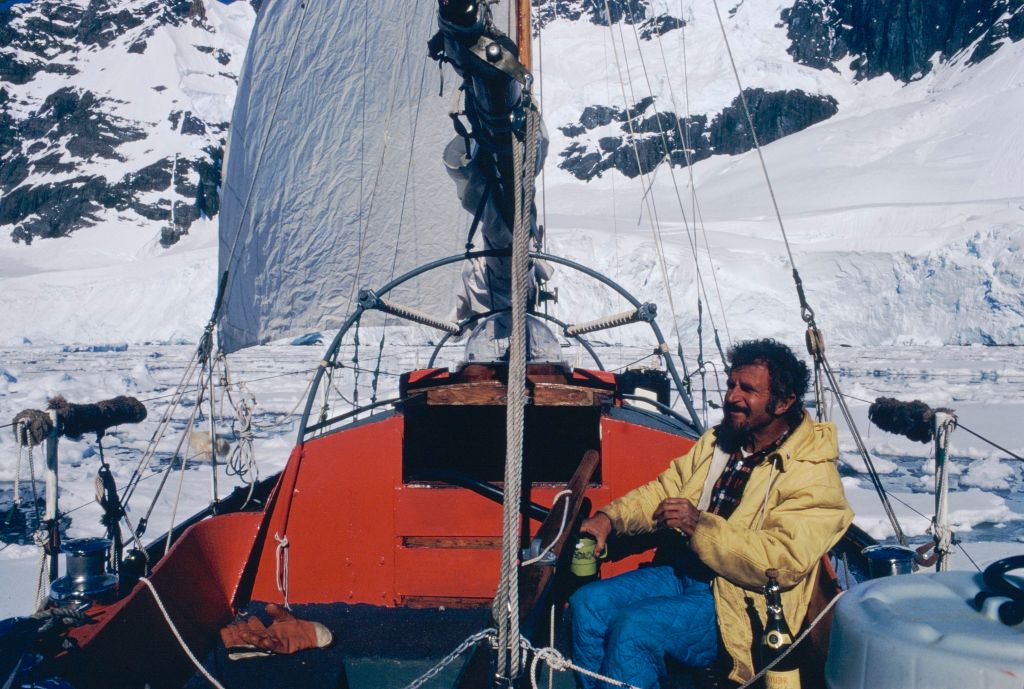
    Leeds graduate, David Henry Lewis, is best remembered as the Kiwi adventurer who sailed the world, and yet his 2002 obituary hints at his other life as a doctor who was integral in the establishment of the NHS. Lewis was born in England but raised in New Zealand and Rarotonga; he was educated in a Polynesian school and firmly identified as a New Zealander. Described as “short, sturdy and tough” Lewis was well-suited to skiing and mountaineering but committed to a medical career instead and he arrived in Leeds in 1938 to complete his education. He also served as a medical officer in a paratroop regiment during World War Two. 

    Lewis’ sailing career started in 1960, when the breakdown of his first marriage (he was an unashamed lifelong womaniser) reignited the ‘adventurer bug’ in him and he competed in the first solo trans-Atlantic race and came third. He briefly returned to medicine in the UK, however for Lewis, an unusual doctor with a sometimes-bizarre bedside manner (he was known to examine patients only in his swimming trunks) it was unsurprising that his NHS career was short-lived. In 1964 he took his second wife and two young daughters and completed the first circumnavigation of the globe in a multihull ‘Rehu Moana’. He then sought to learn traditional Polynesian navigation techniques from Micronesian sailors – responding to their questions of why in his mild but tenacious manner: “My name is David Lewis, I come from the village of London in the island of England, and I have come to sit at the feet of your wise men and learn how to find my way across the sea”. But even that adventure wasn’t enough, Lewis went on to capsize alone in the Antarctic, establish the Oceanic Research Foundation, extinguish an onboard fire and survive a crew mutiny. 

    Alongside Lewis’ sailing celebrity, in his brief career as a doctor he played an important part in the foundation of the NHS. Although the National Health Service Act of 1946 pledged to provide a family doctor for the entire population, Aneurin Bevin had failed to persuade GPs that universal healthcare was important enough to sacrifice their independent (and often very lucrative) private practices. Therefore, the foundation and 1948 introduction of the NHS was reliant on support from a few key GPs whose action forced those resistant to comply. Approximately ninety percent of patients had signed up to those doctors willing to enter the scheme within the first month, leaving behind a crumbling system of private healthcare. David Henry Lewis was one of the few doctors willing to risk the security of their careers on the NHS. Lewis’ support was unsurprising given his political beliefs: he was a communist who vehemently opposed political systems with bureaucracy that failed the poor (Putt, 2002). Although Lewis’ legacy is not one of individual medical innovation or genius, the NHS was the result of a social revolution and brave systemic change that introduced the first universal healthcare system in the world. And the gamble Lewis took paid off, the 1948 mortality index showed a twenty percent decline compared to 1938 (which had the lowest standardised mortality of any year pre-WW2) and a drastic improvement in public health was seen; the NHS altered medical practice immeasurably and imbedded itself in the sociocultural psyche of the UK. 

    Described by fellow adventurer Dick Smith as a “wonderfully fantastic scallywag” Lewis recorded his adventures in 12 successful books and shared his love for the ocean and traditional navigation with thousands. He sailed well into his eighties, even after losing his eyesight, and after he died in 2002 his ashes were scattered in his beloved Pacific ocean. Although Lewis is well remembered as a sailor, adventurer and anthropologist, his contribution to the pioneering work of the infant NHS should not be forgotten as its impact is immeasurable. 

    Sailing well into his eighties, even after losing his eyesight, Lewis is only well remembered as a sailor, adventurer, and anthropologist despite his contribution to the pioneering work of an infant NHS being possibly just as, if not more, impactful.

    References:

    Putt, C. 2002. The sailor who set out to see it all. [Online]. [Accessed 13 January 2023]. Available from: https://www.smh.com.au/national/the-sailor-who-set-out-to-see-it-all-20021116-gdftrz.html 

    Rivett, G. 2019. 1948-1957: Establishing the National Health Service. [Online]. [Accessed 13 January 2023]. Available from: https://www.nuffieldtrust.org.uk/chapter/1948-1957-establishing-the-national-health-service 

    Thompson, M. 2017. The NHS and the public: a historical perspective. [Online]. [Accessed 13 January 2023]. Available from: https://www.kingsfund.org.uk/blog/2017/10/nhs-and-public-historical-perspective 

    Ministry of Health. 1950. Public Health in 1948: Remarkable Statistics: the first months of the Nation Health Service. [Online]. Ministry of Health. [Accessed 13 January 2023]. Available from: https://cdm21047.contentdm.oclc.org/digital/collection/tav/id/1116 

  • What a Fake: Is Cosmetic Surgery a Vain Venture

    What a Fake: Is Cosmetic Surgery a Vain Venture

    Holly Dobbing, Year 3

    Vanity. A word that often springs to mind when cosmetic procedures are considered. People assume she wanted breast implants to impress someone. People suspect he wanted a nose job to feel more attractive. People guess they wanted a face-lift to look younger. 

    In this article I will explore the other side tocosmetic procedures. The hidden side. The side that people often fail to consider. The side where cosmetic procedures are driven not by vanity or pride or conceit, but by desperation and insecurity and fear. I propose a question: are cosmetic procedures truly cosmetic if they have such an intrinsic link to patients’ mental health and have a direct impact on their psychological well being? 

    Surgery to alter appearance, from nose-jobs to boob-jobs and everything in between, is still surrounded by so much stigma. I know if someone states they have had cosmetic surgery, certain ideas and stereotypes enter our minds. I believe many people continue to view cosmetic surgery with a hidden condescension towards patients who have undergone these procedures. In fact, you need to look no further than magazines and tabloids that ‘out’ celebrities who have had cosmetic surgery, as though it were some sort of shameful secret. 

    Let’s also consider procedures such as breast reduction surgery. Breast reduction surgery is often undertaken to help patients who are unhappy with the weight, shape or size of their breasts (NHS, 2022). Often, patients have to pay for this surgery privately because it is viewed as cosmetic if the sole purpose of surgery is to alter appearance. Rarely, the NHS fund the surgery, but only if the patient meets stringent criteria and is experiencing various other side effects due to having very large breasts, such as backache, shoulder or neck pain, or rashes and skin infections underneath the breasts (NHS, 2022). Whilst they do acknowledge mental health issues and depression due to appearance is a significant health reason to want this surgery, this alone is not enough for a referral (NHS 2022). I was also told by a GP whilst I was on placement that even if the patients meet the criteria for referral, they are often rejected anyway. According to the NHS website, breast reduction surgery costs £6,500, however this is likely far more when consultations, pre-operative assessments, medications and after-care are factored in (NHS, 2019). This is a huge financial burden to people who are potentially already struggling with their mental health due to a reduced self-image and significant insecurities. This further illustrates the systemic prejudice we take against people who want these procedures.

    Another ‘cosmetic’ issue I want to discuss is that of purchasing wigs. From male-pattern baldness, to alopecia, chemotherapy and an endless list of conditions that may cause baldness, patients in England are expected to buy wigs either from the NHS or private retailers. The NHS fund wigs for a number of specific conditions, as long as a consultant dermatologist requests it, so patients can buy them for the cost of a normal prescription. However, these wigs are standard wigs, with limited choice of colours and styles, and a limited standard of quality. I appreciate with the fundamental funding problems that underpin the functioning of the NHS, we must limit the number, quality or cost contribution made for each wig, however it still feels as though we do not acknowledge that these wigs may be the only thing that helps that patient feel confident enough to still leave the house every day. Physical health and mental health should be of equal importance to us as they often have equally significant effects on the patient’s wellbeing. Allowing the systemic prejudice of aesthetics and cosmetics to impact the mental health of our patients is unacceptable.

    But why do we think this way when we take such liberal views on other topics? Is it a strange cultural phenomenon? Perhaps we cling to the idea that physical beauty is something one must be born with. However, beauty is not skin deep, and nor is the impact that cosmetic procedures have on the lives of the patients remotely superficial. Evidence shows that cosmetic surgery has a significant effect on self-confidence and self-image (Motakef et al., 2014). Likely, this is because the surgery addresses deeper personal and psychological issues, rather than purely aesthetics. Therefore, if we stop viewing cosmetics as purely aesthetic procedures, and acknowledge the impact these insecurities may have on our patients’ wellbeing, we may be able to treat patients in a more holistic and understanding way. I believe cosmetic surgery is not a vain venture – it is a huge step for many people towards a happier and healthier life.

    References:

    Motakef, Saba M.D.; Motakef, Sahar M.A.; Chung, Michael T. M.D.; Ingargiola, Michael J. M.D.; Rodriguez-Feliz, Jose M.D.. The Cosmetic Surgery Stigma: An American Cultural Phenomenon?. Plastic and Reconstructive Surgery 134(5):p 854e-855e, November 2014. | DOI: 10.1097/PRS.0000000000000604

    NHS. Breast Reduction (female). 2019. Online. Accessed https://www.nhs.uk/conditions/cosmetic-procedures/cosmetic-surgery/breast-reduction-female/ 31st January 2023.

    NHS. Breast Reduction on the NHS. 2022. Online. Accessed https://www.nhs.uk/conditions/breast-reduction-on-the-nhs/ 31st January 2023.

    NHS. Advice and pathway for the supply of NHS funded Wigs. 2020. Online. Accessed https://www.kirkleesccg.nhs.uk/resources/individual-funding-requests/advice-and-pathway-for-the-supply-of-nhs-funded-wigs/ 31st January 2023. 

  • Surrogacy: A Violation of Ethics or an Altruistic Act?

    Surrogacy: A Violation of Ethics or an Altruistic Act?

    Holly Dobbing, year 3

    According to the Department of Health and Social Care (on the UK government website), surrogacy is ‘when a woman carries a baby for someone who is unable to conceive or carry a child themselves’ (Department of Health and Social Care, 2021). Surrogacy is often seen as a ‘treatment’ for couples who are unable to conceive, or as an alternative to adoption; actually, it is much more than this. Surrogacy brings a wealth of complex ethical issues, largely relating to autonomy: the surrogate mother’s right to choose.

    On signing the contract, the surrogate mother signs over her rights to the control of her own body over to the commissioning couple (Dodds and Jones, 1989). The mother agrees not to smoke, drink or take drugs for the entirety of her pregnancy, as well as to commit herself to any and all medical appointments, including abiding by all decisions of the doctors regarding treatment (Dodds and Jones, 1989). She also must undergo amniocentesis (testing of the amniotic fluid in the womb (NHS, 2022)) and is obliged to abort the foetus if the commissioning couple desire her to do so given the results of the test (Dodds and Jones, 1989). This illustrates the complete powerlessness the surrogate mother has in making any autonomous decisions with regards to her pregnancy. 

    Furthermore, the surrogate mother must agree to give up the child prior to insemination (Dodds and Jones, 1989). This means she must agree to this before she even experiences pregnancy and the deep emotional attachment she may develop with the unborn child. How can a woman give fully informed consent when she does not yet know how she will feel about such an act? Therefore, is it ethical to legally hold her to a contract she signed without informed consent? 

    In addition, surrogate mothers are of a lower socioeconomic class in comparison to the commissioning couple (Dodds and Jones, 1989). This means women may turn to surrogacy to provide for themselves and/or their other children when they would not otherwise do so. This also opens a doorway for financial coercion and exploitation of surrogate mothers. 

    One solution could be to implement a board of people to counsel and discuss with the potential surrogate mother her options prior to signing of the contract. They could also assess her motivations and the key influences on her decision-making. This may mitigate against exploitation of the potential surrogate and ensure that her decision is as fully informed as possible. This would reduce the risk of surrogate mothers being unduly influenced and coerced into a decision they are not comfortable with. 

    Alternatively, surrogate contracts could include an escape clause, to allow the surrogate mother more autonomy over the outcome of the pregnancy. This would allow surrogate mothers the freedom to abort the foetus if they felt necessary, or to keep the child if they felt giving the child up would cause them significant harm, with no repercussions from the commissioning couple. This would give surrogate mothers far greater autonomy to choose what is best for them and their health and wellbeing without fear of being sued. However, given the child may be genetically related to one or both of the commissioning couple (Dodds and Jones, 1989), this calls into question the likelihood of a custody case in which the commissioning parents may sue the surrogate mother for custody of the child. This further generates trauma and suffering for those involved, including the child. 

    In one particular article investigating the ethics of surrogacy, Dodds and Jones conclude that in the current cultural, economic and social situation, regardless of any solutions or changes implemented, the only ethical outcome is for surrogacy contracts to be illegal (Dodds and Jones, 1989). They argue that surrogacy contracts have little regard to the child, and commodify both the women and children involved (Dodds and Jones, 1989). However others, such as Kim Kardashian who reportedly had two of her four children via surrogate, say it’s the ‘best thing’ (Worldwide Surrogacy Specialists, 2018). What do you think? Is surrogacy a violation of ethics, or an altruistic act of bringing life into the world? 

    References:

    2018. Celebrity Surrogacy: Kim Kardashian. Worldwide Surrogacy Specialists LLC [Online]. Available from: https://www.worldwidesurrogacy.org/blog/celebrity-surrogacy-kim-kardashian [Accessed 28th December 2022].

    2021. The surrogacy pathway: surrogacy and the legal process for intended parents and surrogates in England and Wales [Online]. Department of Health and Social Care. Available: https://www.gov.uk/government/publications/having-a-child-through-surrogacy/the-surrogacy-pathway-surrogacy-and-the-legal-process-for-intended-parents-and-surrogates-in-england-and-wales#:~:text=Surrogacy%20is%20when%20a%20woman,or%20carry%20a%20child%20themselves. [Accessed 28th December 2022].

    DODDS, S. & JONES, K. 1989. Surrogacy and autonomy. Bioethics, 3, 1-17.NHS. 2022. Amniocentesis [Online]. Available: https://www.nhs.uk/conditions/amniocentesis/ [Accessed 28th December 2022].