Category: Academic

  • Monday is Pale Pink: Can Synaesthesia Change the Way We Learn?

    Monday is Pale Pink: Can Synaesthesia Change the Way We Learn?

    Adrienne Ives, Year 2 Dentistry

    As students we are constantly searching for new ways to learn, whether it be cramming for a final exam or learning a new language. In the last 5 years, teaching and studying methods have evolved from traditional strategies to a more modern approach, with more of us than ever deviating from pen and paper to online notetaking and revision. A quick Google search of ‘How to Study Effectively’ will provide you with an endless list of suggestions, from flashcards and mind maps to spaced repetition and active recall. However, could the secret to more efficient learning and enhanced memory lie in our power of perception?

    The earliest recorded case of synaesthesia in 1690 is attributed to Oxford University academic and philosopher John Locke, who reported an instance of a blind man who said he experienced the colour scarlet when he heard a trumpet (Ward, 2006). Occurring in at least 4.4% of the adult population (Massy-Beresford, 2014), synaesthesia is a rare perceptual phenomenon where individuals, known as synaesthetes, experience overlap between two or more senses (Huth, 2012). This overlap is caused by the stimulation of one sensory pathway leading to involuntary experiences in a second pathway (Cytowic, 2002), meaning colours can be connected to letters and numbers, smells and tastes to music, or touch to vision (Massy-Beresford, 2014). This is mirrored in the word itself, which is derived from the Greek ‘aisthesis’ meaning sensation, and ‘syn’ meaning together (Huth, 2012). 

    The condition is divided into two forms: projective and associative (Helmenstine, 2018). Projective synaesthesia is more widely recognised and is experienced by those who see colours, forms, or shapes when exposed to a stimulus e.g., a number, word, letter or sound. Associative synaesthesia occurs in those who feel a strong involuntary connection between the stimulus and the sense it triggers (Helmenstine, 2018). For example, in chromesthesia, where exposure to sound produces a colour in the mind’s eye, an associator might hear a violin and strongly associate it with the colour blue, while a projector might hear a violin and see the colour blue projected in space as if it were a physical object. 

    Several forms of synaesthesia exist, with some rarer than others. Synaesthetes with Ordinal-Linguistic Personification (OLP) associate ordered sequences like ordinal numbers or alphabetical letters with personalities or genders (Simner & Hubbard, 2006). For example, the letter G might be a busy mother with a kind face. Rarer still are those to whom taste, smell and music produce colours. Avid Disney lovers may remember that in the 2007 movie ‘Ratatouille’ Remy the rat sees colour and hears music when trying new combinations of flavours.

    However, the predominantly studied form of this phenomenon is the most relevant to improving our learning strategies. Grapheme-colour synaesthesia is set apart from other forms as the sensory stimulus and response both belong to the same sensory pathway: visual. Synaesthetes with this form associate numbers and letters with specific colours, e.g., the letter ‘A’ could be navy blue and the number ‘6’ could be yellow. But how does this improve our memory when it comes to learning? 

    There is a large amount of anecdotal evidence of synaesthetes using these associations to enhance their retentive skills in everyday life, from simple tasks like remembering telephone numbers to more complex tasks of memorising pi to over 20,000 decimal places (Baron-Cohen, Bor and Billington, 2007), or  even recalling a list of random words 20 years after reading it (Luria, 1968). 

    Many studies have been carried out to investigate whether this ability can be ‘learned’ by non-synaesthetes. One from the University of East London trained groups of non-synaesthetic young adults to make associations between certain letters and colours, then tested them to see if they remembered words more easily if they were coloured to match their synaesthetic training (Massy-Beresford, 2014). The impact on their cognitive function was then assessed. Results suggested that participants did have a better memory for information learned using the newly learnt synaesthetic techniques (Massy-Beresford, 2014). New Scientist (2014) details a similar study at the University of Amsterdam which found they could induce short term synaesthesia by giving participants books where some letters appeared in certain colours. They also reported an average gain of 12 IQ points, compared to a control group who gained none. 

    This area of research is still young and, whilst synaesthesia could contribute to the large jump in IQ, these benefits may be due to intensive memory exercises rather than synaesthesia training (New Scientist, 2014). So, the advantage of this training in young people may not be that valuable. 

    However, it may be of service to the ageing population. New studies show that synaesthesia training may slow the cognitive decline that accompanies the early stages of Alzheimer’s or help patients in rehabilitation for brain injuries, such as by creating mnemonics to remember things like shopping lists (Massy-Beresford, 2014).

    Although those who experience synaesthesia can use this perceptive ‘power’ to their advantage, those of us who see the world in a little less colour may yet still have to rely on more traditional learning strategies. Memory exercises and spaced repetition seem to be the key, and whilst learning your anatomy lectures with different colours for each letter might be a more novel way to ace your exam than regular black and white flashcards, perhaps the tried and tested methods are used for a reason.

    References

    Baron-Cohen, S., Bor, D. and Billington, J. 2014. Savant memory in a man with colour form-number synaesthesia and Asperger syndrome. Journal of Consciousness Studies. 14(9-10), pp.237-251.

    Cytowic, R.E. 2002. Synaesthesia: A Union of the Senses. [Online]. 2nd ed. Cambridge, Massachusetts: MIT Press. [Accessed 27 January 2022]. Available from: https://psycnet.apa.org/record/2002-01685-000 

    Helmenstine, A.M. 2018. What Is Synaesthesia? Definition and Types. [Online]. [Accessed 27 January 2022]. Available from: https://www.thoughtco.com/synesthesia-definition-and-types-4153376 

    Huth, A. 2012.  What colour is Wednesday?. [Online]. [Accessed 27 January 2022]. Available from: https://www.spectator.co.uk/article/what-colour-is-wednesday-

    Luria, A.R. 1968. The Mind of a Mnemonist. [Online]. [Accessed 27 January 2022]. Available from: http://arteflora.org/wp-content/uploads/2018/05/Luria-The-Mind-of-a-Mnemonist.pdf 

    Massy-Beresford, H. 2014. How we could all benefit from synaesthesia. [Online]. [Accessed 27 January 2022]. Available from: https://www.theguardian.com/science/2014/apr/27/benefit-synaesthesia-brain-injury-mental-decline 

    New Scientist. 2014. People taught synaesthesia learn to read in colour. [Online]. [Accessed 27 January 2022]. Available from: https://www.newscientist.com/article/dn26578-people-taught-synaesthesia-learn-to-read-in-colour/ 

    Simner, J. and Hubbard, E.M. 2006. Variants of synaesthesia interact in cognitive tasks: evidence for implicit associations and late connectivity in cross-talk theories. Neuroscience143 (3), pgp.805-814. Ward, O. 2006. The man who heard his paintbox hiss. [Online]. [Accessed 27 January 2022]. Available from: https://www.telegraph.co.uk/culture/art/3653012/The-man-who-heard-his-paintbox-hiss.html
  • Why is ADHD Often Missed in Female Patients?

    Why is ADHD Often Missed in Female Patients?

    Holly Dobbing, Year 2

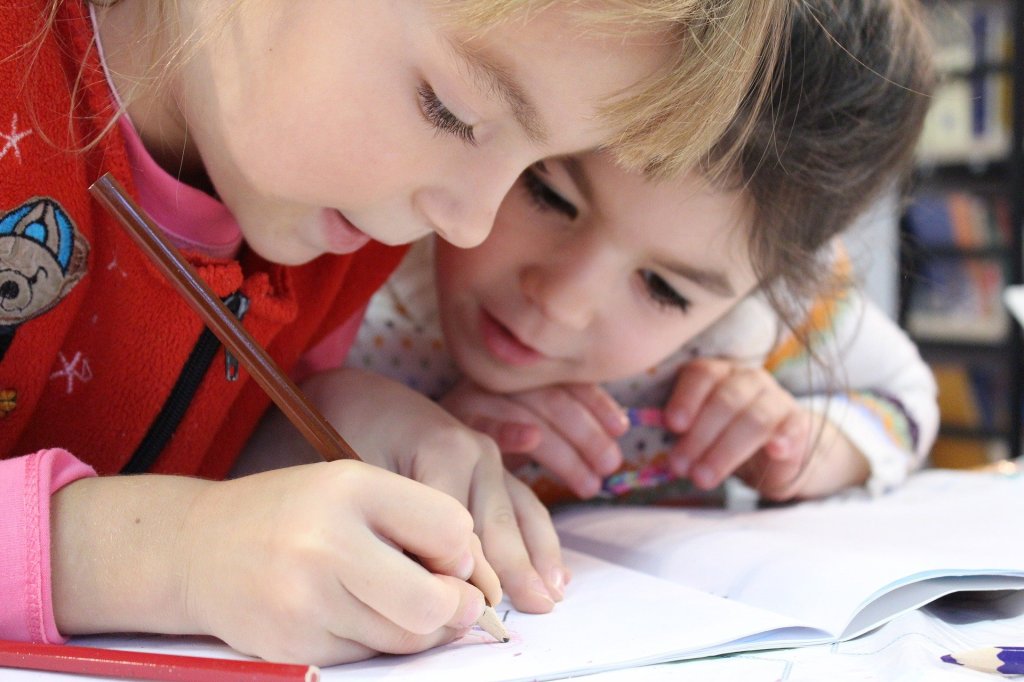
    Attention Deficit Hyperactivity Disorder, (ADHD), is a behavioural disorder, causing inattentiveness, hyperactivity and/or impulsiveness (NHS, 2018). Symptoms tend to be most prominent before the age of 6, but may become more noticeable after a big life change such as starting school (NHS, 2018). Most children diagnosed with ADHD do not grow out of it, and for children whose symptoms are missed, living with undiagnosed ADHD can cause multiple problems (Oakes, 2019) including having less stable relationships and a higher likelihood of committing suicide later in life (BBC, 2018). In the UK, there are around 1.5 million people with ADHD, however only 120,000 of those are formally diagnosed, (BBC, 2018). This underdiagnosis is particularly prevalent in the female population, with up to seven boys being diagnosed for every girl (Oakes, 2019). So, why is  ADHD so  often missed in females?

    ADHD presents differently in males and females. Typically, females present with more inattentive symptoms, such as making careless mistakes and having difficulty organising tasks (NHS, 2018), whereas males are more likely to present with the more stereotypical hyperactive and impulsive traits, (Millar, 2018). Females with ADHD are also thought to engage in more ‘internalising’ behaviour (Ortega, 2020), trying harder than boys to conceal their symptoms so they are more likely to attempt to fit in with the other children (Sigler, 2019). Furthermore, whilst boys tend to develop symptoms early in life which then decrease as they approach puberty, girls’ symptoms may be more noticeable around puberty due to the increase in their oestrogen levels, (Millar, 2018). This means that because girls typically present later, they often go undiagnosed, or misdiagnosed, commonly with anxiety or depression (Millar, 2018). 

    The effect of this under-diagnosis can be detrimental to a patient’s health and wellbeing. Carrying undiagnosed ADHD into adulthood has been shown to increase risk of anxiety, depression, self-harm, unemployment, unplanned pregnancies and even early death (Ortega, 2020). Having ADHD also places a significant financial burden on individuals, such as having to pay to replace lost items or being charged due to forgetting to pay bills (Sigler, 2019). These seemingly small mistakes can cause overwhelm and distress in individuals with ADHD, further impacting their mental and physical health. Furthermore, individuals who lack an accurate diagnosis don’t have access to the appropriate support networks that they should be entitled to, for example, psychoeducation, behaviour therapy, education programmes, social skills training and cognitive behavioural therapy (NHS, 2018).

    I feel as though this is yet another example of medicine as an institution being designed solely to treat the average white male. Why does the way that boys present – whether it’s their age or their actions – seem to be the default? So, medical students, I’m calling on you to help. All of us need to be acutely aware of the fact that both males and females are impacted by ADHD equally – it is not a ‘male disorder’. It is absolutely imperative that we learn how ADHD can present itself differently depending not only on gender, but the individual. And finally, we need to be able to recognise these different presentations and understand that individuals don’t always fit the classic diagnostic criteria, and not just in ADHD, but in all aspects of healthcare. Our ultimate goal as medical students is to help people, so why not start here?

    References

    BBC. 2018. ADHD diagnosis for adults can take ‘up to seven years’. BBC.

    MILLAR, A. 2018. Is ADHD in adult women underdiagnosed? Patient.

    NHS. 2018. Attention deficit hyperactivity disorder [Online].  [Accessed].

    OAKES, K. 2019. Why is ADHD missed in girls? The Health Gap. BBC.

    ORTEGA, R. P. 2020. Under-diagnosed and under-treated, girls with ADHD face distinct risks. knowable MAGAZINE.

    SIGLER, E. 2019. ADHD looks different in women. Here’s how – and why. ADDitude.

    BBC. 2018. ADHD diagnosis for adults can take ‘up to seven years’. [Online]. Available from: https://www.bbc.co.uk/news/uk-england-44956540

    Millar, A. 2018. Is ADHD in adult women underdiagnosed? [Online] Available from: https://patient.info/news-and-features/is-adhd-in-adult-women-underdiagnosed 

    NHS. 2018. Attention deficit hyperactivity disorder [Online]. Available from: https://www.nhs.uk/conditions/attention-deficit-hyperactivity-disorder-adhd/

    Oakes, K. 2019. Why is ADHD missed in girls? [Online]. Available from: https://www.bbc.com/future/article/20190530-why-is-adhd-missed-in-girls

    Ortega, R. P. 2020. Under-diagnosed and under-treated, girls with ADHD face distinct risks. [Online]. Available from: https://knowablemagazine.org/article/mind/2020/adhd-in-girls-and-womenSigler, E. 2019. ADHD looks different in women. Here’s how – and why. [Online]. Available from: https://www.additudemag.com/add-in-women/

  • The Psychologist from Balkh

    The Psychologist from Balkh

    Zaynab Ahmed, Year 3

    Depression, anxiety, OCD, personality disorders and the like, have all streamed their way into the daily vocabulary of most people today. Hence, it is often attributed to ‘modern medicine’. Truth be told, I view this as arrogant since we have a lot to thank our forefathers in medicine for. Psychopathology has undoubtedly had many struggles and hurdles along its way to being formally recognised, much of which depends on the fact that mental disorders cannot be observed. These disorders are called ‘latent variables’; they are inferred from a matrix of symptoms and are assumed to be the cause (Salkind, 2010).

    Whilst studying GCSE History Medicine through time, I was disappointed to hear passing mention of only two Muslim physicians/polymaths, by their imposed anglicised names. Yet there is a vast legacy of Muslim physicians belonging to the Golden age of Islam, recognised from the seventh to the sixteenth century (Al-Hassani, 2012).

    Therefore, I humbly invite you to tread the path in pursuit of the forgotten Islamic medical history. Our story begins with Abū Zayd Al-Balkhī, a ninth century polymath born in Balkh, now a part of modern-day Afghanistan (Encyclopaedia Britannica, 2013). Although little is known about Al-Balkhī, he wrote an impressive number of books—the most famous being ‘Maṣāliḥ Al Abdān wa al-Anfus’, translated to mean ‘Sustenance of the Bodies and Souls’. The original Arabic manuscript is held in the Ayasofya library in Istanbul. The book is divided into the body and the soul; the soul is then divided into a further eight chapters. These eight chapters have been translated by Malik Badri in the book Abu Zayd al-Balkhī’s Sustenance of the Soul, The Cognitive Behaviour Therapy of a Ninth Century Physician (Balkhī and Badri, 2013) and this article will aim to provide a modest summary.

    Background

    It is important to note from the onset that al-Balkhī was not writing from purely a treatment perspective. Rather, he spoke with a holistic understanding of mental illnesses, placing more emphasis on their prevention like Greek medicine. Greek philosophy laid the foundations of psychology, which was adjusted through history (Shuttleworth, 2010). However, the information was often scattered, and more focus was on the balance of the four humours (Awaad and Ali, 2015). 

    The soul?

    The Soul?

    Admittedly, reading a translation is never the same as the original manuscript. Arabic is no exception; it is a cornucopia of linguistic achievement. Badri mentioned that the Arabic term ‘nafs’ is synonymous to the psyche, ‘but with an Islamic spiritual dimension’ (Balkhī and Badri, 2013, p.11).

    Generally, ‘nafs’ is used in the meaning of ‘self’; for example, ‘he spoke to himself’. This is found in the Qur’ān in numerous places and sometimes translated as soul. More specific to Islamic spirituality and mindfulness is the aspect of desires and the ‘lower self’. The purpose of a Muslim is worship of God and working for the hereafter by reducing the attachment to the earth and the ‘lower self’ –the nafs; this is another way it is understood within the Qur’ān and prophetic narrations. It is apparent from al-Balkhī’s preventative strategy of mindfulness, gratitude and introspection that he meant a combination of the two. 

    The Mind and Body are Intrinsically Linked

    Compared to Freudian theory—which is criticised today for its lack of evidence (McLeod, 2018) and sole focus on the unconscious mind (Paris, 2017)—al-Balkhī determined it was a mix of internal and external causes, and diseases of the body that could cause diseases of the mind. This is especially pertinent when exploring the relationship between disabilities and depression. Noh et al (2016) mentioned that risk factors for depression include ‘abuse; loss of roles; and stressors related to poverty, environmental barriers, and/ or lack of access to appropriate health care’. Al-Balkhī suggests talking therapy and he notes that negative thoughts are the cause of psychological disorders (Balkhī and Badri, 2013) which we call Cognitive Behavioural Therapy (CBT) today (NHS, 2019). The reality is that we all experience negative feelings on occasion; al-Balkhī does not claim that these feelings will be removed altogether but he offers coping strategies and a rational approach to negative feelings.

    Anxiety

    An example of a discussion in the book is al-Balkhī’s mention of ‘al gham’, anxiety, and it being a trigger for anger, frustration, fear and terror. He holds the view that if anxiety is the root of all negative emotions, then similarly joy is the root of health. This is referred to as opposite therapy. Al-Ghazāli employed this technique for patients with mental disorders and it is widely practiced as a spiritual ailment today (Yaacob, 2013) because as the Prophet Muhammad ﷺ (Peace and Salutations be Upon Him) said:

    The cure for ignorance is to question (Abū Dāwūd).

    Much of what al-Balkhī discusses would fit comfortably in a self-help book today in terms of positive affirmations, meditation and anger management. Often, I found myself shutting the book and spending time introspecting. 

    Mindfulness

    The remedies revolve around a healthy internal dialogue, positive affirmations and reflection, which I would translate as mindfulness. Al-Balkhī does not shy away from the spiritual remedies either, by prescribing contemplation on the blessings surrounding oneself, worship of God and in his words ‘he should strongly hold on to the conviction that Allah (God) has not created a disease of the body or a disorder without creating its antidote’ (Balkhī and Badri, 2013). As a Muslim I firmly believe that spirituality in the religious sense can aid treatment and this is apparent from reading the works of the ninth century polymath al-Balkhī, especially when it is only now researchers are drawing links between spirituality and health (Carmody et al, 2008). Contributions to medicine happened across time and across nations and this article gives just a taste of that.

    References

    Al-Hassani, S., 2012. 1001 Inventions: The Enduring Legacy Of Muslim Civilization. 3rd ed. National Geographic Society, p.17.

    Awaad, R. and Ali, S., 2015. Obsessional Disorders in al-Balkhi′s 9th century treatise: Sustenance of the Body and Soul. Journal of Affective Disorders, 180, pp.185-189.

    Balkhī, A. and Badrī, M., 2013. Abū Zayd Al-Balkhī”s Sustenance Of The Soul. London: International Institute of Islamic Thought.

    Carmody, J., Reed, G., Kristeller, J. and Merriam, P., 2008. Mindfulness, spirituality, and health-related symptoms. Journal of Psychosomatic Research, 64(4), pp.393-403.

    Encyclopedia Britannica. 2013. Balkh | Afghanistan. [online][Accessed 11 November 2020]. 

    Available at: https://www.britannica.com/place/Balkh

    McLeod, S.A, 2018. What Are The Most Interesting Ideas Of Sigmund Freud?. [online]. [Accessed 15 November 2020]. Available from: https://www.simplypsychology.org/Sigmund-Freud.html#:~:text=Sigmund%20Freud%20emphasized%20the%20importance,to%20make%20the%20unconscious%20conscious.

    nhs.uk. 2019. Cognitive Behavioural Therapy (CBT). [online]. [Accessed 15 November 2020]. Available from: https://www.nhs.uk/conditions/cognitive-behavioural-therapy-cbt/

    Noh, J., Kwon, Y., Park, J., Oh, I. and Kim, J., 2016. Relationship between Physical Disability and Depression by Gender: A Panel Regression Model. PLOS ONE, 11(11), p.e0166238.

    Paris, J., 2017. Is Psychoanalysis Still Relevant to Psychiatry?. The Canadian Journal of Psychiatry, 62(5), pp.308-312.

    Salkind, N.J 2010, Encyclopedia of research design, vol. 0, SAGE Publications, Inc., Thousand Oaks, CA.

    Shuttleworth, M., 2010. Aristotle’s Psychology – History Of Psychology. [online]. [Accessed 15 November 2020]. Available from: https://explorable.com/aristotles-psychology 

    Yaacob, N., 2013. Cognitive Therapy Approach from Islamic Psycho-spiritual Conception. Procedia – Social and Behavioral Sciences, 97, pp.182-187.

  • Is the Human Brain Clever Enough to Understand Itself?

    Is the Human Brain Clever Enough to Understand Itself?

    Holly Dobbing, Year 2

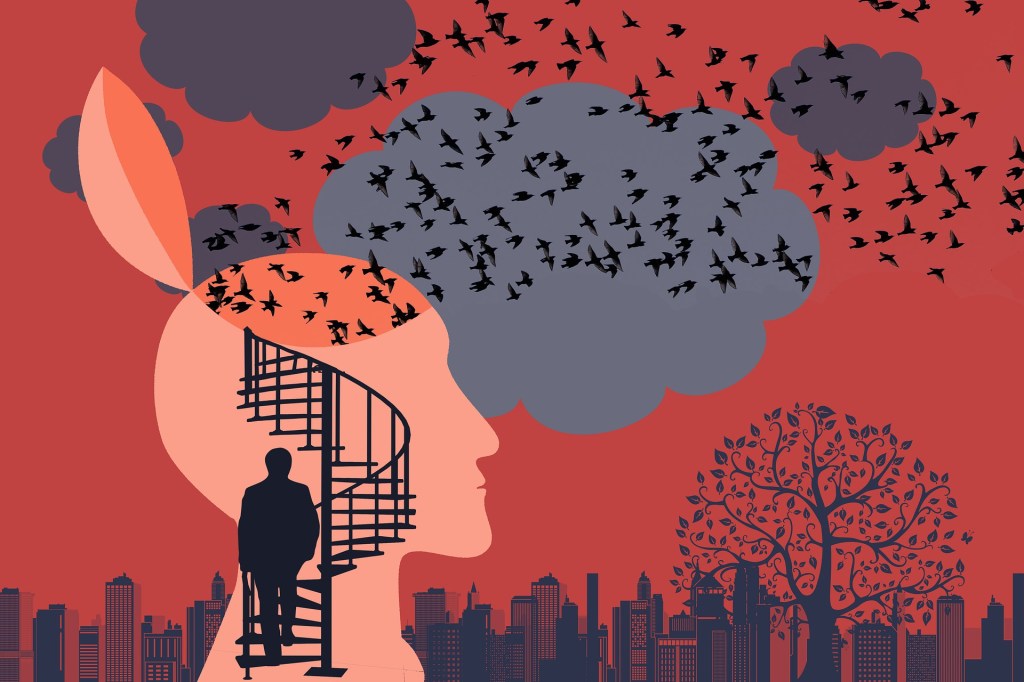
    Your brain is capable of retrieving memories from when you were five years old, of contemplating the meaning of life, and making countless decisions every single day. But is your brain – or any brain for that matter – able to understand itself?

    The human brain contains 86 billion neurons and each of them forms thousands of connections (Voytek 2013). Think of the brain as a huge network of motorways, each with hundreds of other motorways and roundabouts all branching off and leading to more. This unfathomable complexity of the brain makes it the focus of high-level research around the world. Notably, Barak Obama’s BRAIN Initiative. The BRAIN (Brain Research through Advancing Innovative Neurotechnologies) Initiative was launched in April 2013 in an attempt to give scientists better understanding of ‘how we think and how we learn and how we remember’ (Insel, Landis et al. 2013). The aim of the project: to map the neurons in the brain,  build a dynamic picture of activity within the brain whilst completing different tasks, and establish different circuits that act in response to various stimuli (Insel, Landis et al. 2013). It was thought that this initiative would ultimately give way to better diagnosis, prevention, and treatment of brain disorders, such as Alzheimer’s disease, Parkinson’s disease, autism, and schizophrenia. Thus, hospitals could reallocate the funds previously spent on treating individuals with these brain disorders to different specialties (Obama 2013). 

    Still, we must appreciate how much we already do know about the brain. For instance, we know a lot about how the brain ages. Physiological, structural and molecular changes occur in the brain as we age, causing it to change in size, function and vasculature (Peters 2006). Ageing causes our brains to shrink in volume, particularly in the frontal cortex (Peters 2006) which is responsible for managing perceptions, behaviours, memories and goal setting (Loveday 2017). In fact, our brains  decrease in volume at approximately 5% every 10 years after the age of 40 (Svennerholm, Boström et al. 1997). However, the most identifiable change associated with ageing of the brain is the decline in memory function (Peters 2006). Memory skills such as the ability to remember names and dates, recall a list of words, or an experience from decades ago, all deteriorate with age (Foster 2006). This is perhaps due to the decrease in size of the prefrontal cortex, which plays a role in managing memories (Loveday 2017).

    We also know how the brain can regulate stress. This organ is key in acknowledging, coping with and recovering from physical and social stresses (McEwen and Gianaros 2010). Initially, a wide variety of complex brain mechanisms are utilised to determine whether an event is a real or potential threat, and these mechanisms differ depending on whether the threat is physical or psychological (Godoy, Rossignoli et al. 2018). This initiates a rapid response within the brain, that leads to activation of the immune system and suppression of the digestive systems, among other widespread changes, so that the body is prepared to deal with the stressor (Godoy, Rossignoli et al. 2018). 

    We have also gained understanding of how speech is produced and understood. Speech production and processing in the brain is extremely complex; there are multiple networks involved, with significant asymmetry between the left and right hemispheres (Scott 2019). The rostral auditory fields in the brain are key in understanding speech – playing a vital role in recognition of patterns of speech, filtering unnecessary (or background) noise away and identifying the ‘talker’, and are particularly sensitive to intonation and pitch cues (Scott 2019). It is the procedural memory, however, that is key in forming speech – using previously heard sentences as a grammatical framework to form more coherent and articulate sentences (Branan 2009).

    So, if the brain is capable of all these complex processes, is it possible for the brain to understand itself? Philosophers would argue that ‘a system can only ever understand another system that is less complex than itself’ (Loveday 2017) which establishes a paradox: the brain cannot understand itself, unless it is more complex than itself. But surely the brain is only equally as complex? Furthermore, to fully understand it, we would have to be able to test every hypothesis made about the brain to an appropriate extent. There are a few issues with this: (a) thousands of experiments would be required to prove or disprove any hypotheses sufficiently; (b) thousands of hypotheses would be required to understand the very intricate details of every function, mechanism and network in the brain; and (c) many of these experiments would require live tissue or a live participant, for example, to study how the brain reacts to different stimuli, which could prove neither possible nor ethical in all circumstances. However, it is still possible to grasp basic processes in the brain using scientific and mathematical modelling. Researchers at the University of Leicester, UK, have studied mathematical tools to aid in the analysis, simulation and modelling of behaviour in the brain (Ivan Turkin 2007). Furthermore, the analysis of brains donated by deceased volunteers gives way for additional learning about the function of the brain – even allowing scientists to decipher a map of its networks. Scientists at Yale University (USA) have been able to culture active cells from entirely dead brain tissue, potentially providing a way to restore activity to dead brain cells (Shaer 2019). This would provide a new platform to study activity within the brain in an experimental yet ethical way. 


    I believe, eventually, we will be able to understand the brain, perhaps not in its entirety, but at least the principal functions of its networks and mechanisms associated with them. Medical science is advancing rapidly each day: new drugs are being developed, and new treatment methods formed. How can we not have faith that we will one day be able to understand the very thing that makes us us – the brain?

    References

    Branan, N. (2009). “How Does the Brain Form Sentences.” Scientific American Mind.

    Foster, T. C. (2006). “Biological Markers of Age-Related Memory Deficits: Treatment of Senescent Physiology.” CNS Drugs 20(2): 153-166.

    Godoy, L. D., et al. (2018). “A Comprehensive Overview on Stress Neurobiology: Basic Concepts and Clinical Implications.” Frontiers in Behavioral Neuroscience 12(127).

    Insel, T. R., et al. (2013). “The NIH BRAIN Initiative.” Science 340(6133): 687.

    Ivan Turkin, A. G., David Fairhurst, Alexey Semyanov, Cees van Leeuwan, Inseon Song, Henk Nijmeijer, Erik Steur (2007). “Mathematical Modelling of Brain.” University of Leicester.

    Loveday, C. (2017). The Secret World of the Brain. London, SevenOaks.

    McEwen, B. S. and P. J. Gianaros (2010). “Central role of the brain in stress and adaptation: links to socioeconomic status, health, and disease.” Annals of the New York Academy of Sciences 1186: 190-222.

    Obama, B. (2013). “Remarks by the President on the BRAIN Initiative and American Innovation.” from https://obamawhitehouse.archives.gov/the-press-office/2013/04/02/remarks-president-brain-initiative-and-american-innovation.

    Peters, R. (2006). “Ageing and the brain.” Postgraduate medical journal 82(964): 84-88.

    Scott, S. K. (2019). “From speech and talkers to the social world: The neural processing of human spoken language.” Science 366(6461): 58-62.

    Shaer, M. (2019). Scientists Are Giving Dead Brains New Life. What Could Go Wrong? The New York Times Magazine.

    Svennerholm, L., et al. (1997). “Changes in weight and compositions of major membrane components of human brain during the span of adult human life of Swedes.” Acta neuropathologica 94(4): 345-352.

    Voytek, B. (2013). “Are There Really as Many Neurons in the Human Brain as Stars in the Milky Way?” Scitable by Nature Education https://www.nature.com/scitable/blog/brain-metrics/are_there_really_as_many/2020.