Author: Worsley Times

  • Novel Neuroanatomy Shields The Brain and Regulates Cerebrospinal Fluid

    Novel Neuroanatomy Shields The Brain and Regulates Cerebrospinal Fluid

    The neuroscientists’ latest discovery may provide the SLYM chance needed to reverse the progression of Alzheimer’s, Parkinson’s, Multiple Sclerosis and more…

    Rishabh Suvarna, Year 1

    The brain, with its 80 million neurons, is one of the most fascinating, vital and elusive organs that distinguishes the human species from the rest of the other organisms on the planet. A century ago, intricate cognitive functions like emotion, thought and behaviour were shrouded in mystery, but with more precise instruments and rigorous study designs, significant networks of the brain have been identified, leading to a more comprehensive understanding of the central nervous system (Lisman, 2015). Despite recent advancements in the clinical neurosciences and neuro-imaging techniques, appallingly little is known about how the brain functions down to the microscopic level (Batista-García-Ramó and Fernández-Verdecia, 2018). 

    On Thursday, 5th January, a recent breakthrough discovery published in Science has unveiled a previously undiscovered layer of neuroanatomy that shields grey matter, regulates cerebrospinal fluid and recruits immune cells to monitor for infection. This poignant finding stems from the brilliant minds at the University of Copenhagen, namely Maiken Nedergaard, co-director for the Center of Translational Neuromedicine and Dr. Kjeld Mollgard, M.D. Their combined genius revolutionised the field of neuroscience as we know it, with their discovery of the glymphatic system as the brain’s waste removal method (Hablitz and Nedergaard, 2021; Plog and Nedergaard, 2018) and the elucidation of the function of glial cells (Holst et al., 2019). In fact, Mollgard first suggested that an mesothelial barrier that lines other vital organs and systems must also exist within the CNS – a fact that was only recently proven through their study.

    This study focuses on the passage of cerebrospinal fluid and the membranes surrounding the brain, traditionally thought to be the meningeal connective tissue layer. This was thought to comprise of an external tough outer layer called the dura mater (latin for “hard mother of the brain”), followed by an internal thin, well vascularised and tightly attached layer called the pia mater and the arachnoid mater, a web-like structure within the cerebrospinal fluid  that connects to the pia mater. The cerebrospinal fluid is a transparent, colourless fluid that maintains homeostasis within the CNS, containing an aqueous solution of neurotransmitters, proteins and glucose (Wichmann et al., 2022). It cushions the CNS and was thought to be produced by the choroid plexus and absorbed in the subarachnoid spaces, however exact details were yet to be explained.

    Mollgard and Nedergaard’s study illustrates however that a 4th layer exists below the arachnoid mater in the subarachnoid space, called the Subarachnoid Lymphatic-like Membrane (SLYM), serving as a bifurcation of this space. SLYM was named as such because it was found directly in the subarachnoid space, being lymphatic-like because it drains excess CSF just as lymphatic vessels normally would.

    This discovery was achieved through two-photon electron microscopy, an expensive but powerful fluorescent imaging technique that utilises very fast 80 MHz laser pulses to fire two photons on biological tissue within 1 femtosecond (Lévêque-Fort and Georges, 2005). This technique provides high specificity for visualising tissue at a greater depth whilst maintaining high contrast, resolution and reducing issues of scattering, phototoxicity and photobleaching (Helmchen and Denk, 2005; Benninger and Piston, 2013), seen in Figure II. 
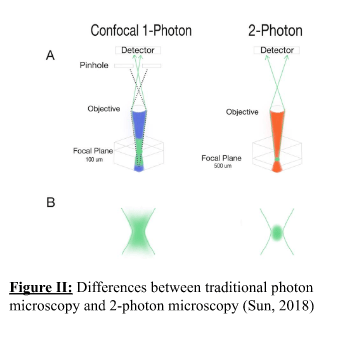
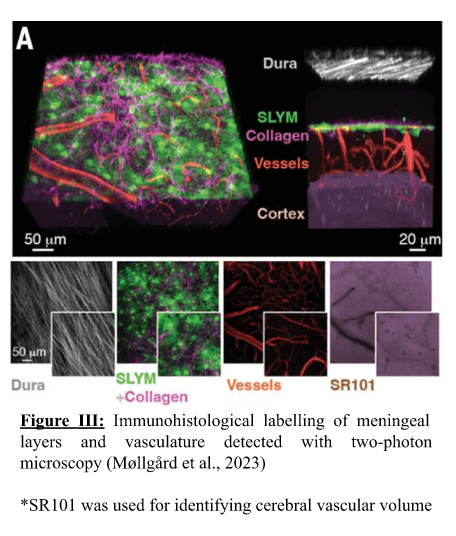
    In the study, Prox1, a transcription factor relevant in lymphatic system formation, was fluorescently labelled in the dura mater and astrocytes, and two-photon electron microscopy was then applied. This helped them discover a loosely packed layer of collagen bundles and Prox1 cells that sub-divided the arachnoid space into an outer superficial section and an inner deep section that became the SLYM layer. Further testing with this technique demonstrated that it acts as an ultrafilter, separating clean and dirty CSF fluid by filtering against fine solutes (> 3kDa molecular weight) such as cytokines, growth factors and other peptides such as amyloid beta and tau, implicated in Alzheimer’s Disease. Fluorescence labelling showed that it possessed many lymphatic markers, some of which were not expressed in the pia/dura mater, and expressed PDPN, a common marker found in mesothelial cells and hence its classification as a mesothelial, lymphatic-like layer. This labelling also showed it lined the entire brain from front to back whilst possessing significantly different vasculature to the other meningeal layers that is populated by leukocytes. All of the above clearly indicates that it is a distinct mesothelial layer from the pia, dura and arachnoid maters, seen in Figure III.  
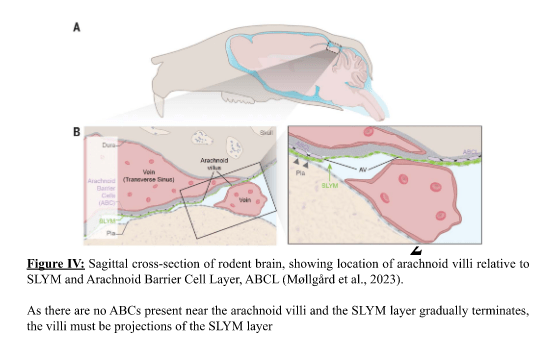
    In addition to this, it was found to form arachnoid villi lining the subarachnoid space and acting as a one-way valve that prevents the backflow of CSF. As a result, it is implied that the SLYM’s function is not only to filter CSF solutes and direct the flow of CSF into arterioles in the outer subarachnoid space, but also in CNS immune response. 
    While this study was conducted primarily on mice brains, it was also demonstrated to exist within human brains. What made this study a significant finding was not only the fact that human brains possessed a mesothelial layer as immunological defence for the CNS, but also that it may have a substantial role in diseases such as Alzheimer’s, Parkinson’s, Dementia and Schizophrenia – all of which have been related to disorders in the passage of CSF via the glymphatic system (Zhang et al., 2022).  The filtration system of the SLYM layer for CSF solutes accentuates the need for better low molecular weight treatment if given through spinal fluid intrathecally, as this can impair the effectiveness of such biologics(Soderquist and Mahoney, 2010). Interestingly, when this layer was damaged and CSF leakage occurred, two-photon electron microscopy detected these solutes on both sides of SLYM, which may perhaps explain the process of ageing and the progression of neurodegenerative diseases. Furthermore, treating the mice brains with LPS to stimulate bacterial infection as well as sampling older brains revealed a considerable surge in the variety and number of immune cells present, potentially explaining the correlation between ageing and reduced/impaired CSF distribution, in turn leading to neurodegenerative diseases (Zhang et al., 2022). SLYM layer damage may allow for hypersensitivity reactions to take place, as immune cells from the SLYM layer may attack the inner subarachnoid space and thereby the brain directly, consequently leading to prolonged neuroinflammation post traumatic brain injury and greater risk of neurodegenerative diseases. Given that some neurological diseases are postulated to be auto-immune in nature such as multiple sclerosis (Wootla et al., 2012; Barkhane et al., 2022), the SLYM layer may promote the progression of such diseases as lymphatic-like tissue can easily become hypersensitive when inflamed by viral infections, molecular mimicry etc. In fact, this discovery may even explain why sleep produces many neuroprotective effects for the brain, given that the glymphatic system is primarily active during restful REM sleep and in mostly inactive during wakefulness (Jessen et al., 2015), and that poor sleep has been correlated with impaired CSF circulation and hence amyloid-beta plaque accumulation (Sprecher et al., 2017).

    Even though more research is required in understanding the specific mechanisms in which SLYM can get damaged and how this leads to neurodegenerative disease, this provides a solid ground for gaining a better understanding and appreciation for the role of cerebrospinal fluid and the glymphatic system in maintaining our brain.

    References:

    Barkhane, Z., Elmadi, J., Satish Kumar, L., Pugalenthi, L.S., Ahmad, M. and Reddy, S. 2022. Multiple Sclerosis and Autoimmunity: A Veiled Relationship. Cureus. 14(4), p.e24294.

    Batista-García-Ramó, K. and Fernández-Verdecia, C.I. 2018. What We Know About the Brain Structure–Function Relationship. Behavioral Sciences. 8(4), p.39.

    Benninger, R.K.P. and Piston, D.W. 2013. Two-Photon Excitation Microscopy for the Study of Living Cells and Tissues. Current protocols in cell biology / editorial board, Juan S. Bonifacino … [et al.]. 0 4, Unit-4.1124.

    Hablitz, L.M. and Nedergaard, M. 2021. The Glymphatic System: A Novel Component of Fundamental Neurobiology. The Journal of Neuroscience. 41(37), pp.7698–7711.

    Helmchen, F. and Denk, W. 2005. Deep tissue two-photon microscopy. Nature Methods. 2(12), pp.932–940.

    Holst, C.B., Brøchner, C.B., Vitting‐Seerup, K. and Møllgård, K. 2019. Astrogliogenesis in human fetal brain: complex spatiotemporal immunoreactivity patterns of GFAP, S100, AQP4 and YKL‐40. Journal of Anatomy. 235(3), pp.590–615.

    Jessen, N.A., Munk, A.S.F., Lundgaard, I. and Nedergaard, M. 2015. The Glymphatic System – A Beginner’s Guide. Neurochemical research. 40(12), pp.2583–2599.

    Lévêque-Fort, S. and Georges, P. 2005. MICROSCOPY | Nonlinear Microscopy In: Encyclopedia of Modern Optics [Online]. Elsevier, pp.92–103. [Accessed 29 January 2023]. Available from: https://linkinghub.elsevier.com/retrieve/pii/B0123693950008290.

    Lisman, J. 2015. The challenge of understanding the brain: where we stand in 2015. Neuron. 86(4), pp.864–882.

    Michaud, M. 2023. Newly Discovered Anatomy Shields and Monitors Brain. URMC Newsroom. [Online]. [Accessed 29 January 2023]. Available from: https://www.urmc.rochester.edu/news/story/newly-discovered-anatomy-shields-and-monitors-brain.

    Møllgård, K., Beinlich, F.R.M., Kusk, P., Miyakoshi, L.M., Delle, C., Plá, V., Hauglund, N.L., Esmail, T., Rasmussen, M.K., Gomolka, R.S., Mori, Y. and Nedergaard, M. 2023. A mesothelium divides the subarachnoid space into functional compartments. Science. 379(6627), pp.84–88.

    Plog, B.A. and Nedergaard, M. 2018. The glymphatic system in CNS health and disease: past, present and future. Annual review of pathology. 13, pp.379–394.

    Soderquist, R.G. and Mahoney, M.J. 2010. Central nervous system delivery of large molecules: challenges and new frontiers for intrathecally administered therapeutics. Expert opinion on drug delivery. 7(3), pp.285–293.

    Sprecher, K.E., Koscik, R.L., Carlsson, C.M., Zetterberg, H., Blennow, K., Okonkwo, O.C., Sager, M.A., Asthana, S., Johnson, S.C., Benca, R.M. and Bendlin, B.B. 2017. Poor sleep is associated with CSF biomarkers of amyloid pathology in cognitively normal adults. Neurology. 89(5), pp.445–453.

    Sun, V. 2018. Dissecting Two-Photon Microscopy. Signal to Noise. [Online]. [Accessed 29 January 2023]. Available from: http://www.signaltonoisemag.com/allarticles/2018/9/17/dissecting-two-photon-microscopy.

    Wichmann, T.O., Damkier, H.H. and Pedersen, M. 2022. A Brief Overview of the Cerebrospinal Fluid System and Its Implications for Brain and Spinal Cord Diseases. Frontiers in Human Neuroscience. 15, p.737217.

    Wootla, B., Eriguchi, M. and Rodriguez, M. 2012. Is Multiple Sclerosis an Autoimmune Disease? Autoimmune Diseases. 2012, p.969657.

    Zhang, D., Li, X. and Li, B. 2022. Glymphatic System Dysfunction in Central Nervous System Diseases and Mood Disorders. Frontiers in Aging Neuroscience. 14.
  • David Henry Lewis: Adventurer and NHS Pioneer

    David Henry Lewis: Adventurer and NHS Pioneer

    Elizabeth Ratcliffe, Year 3

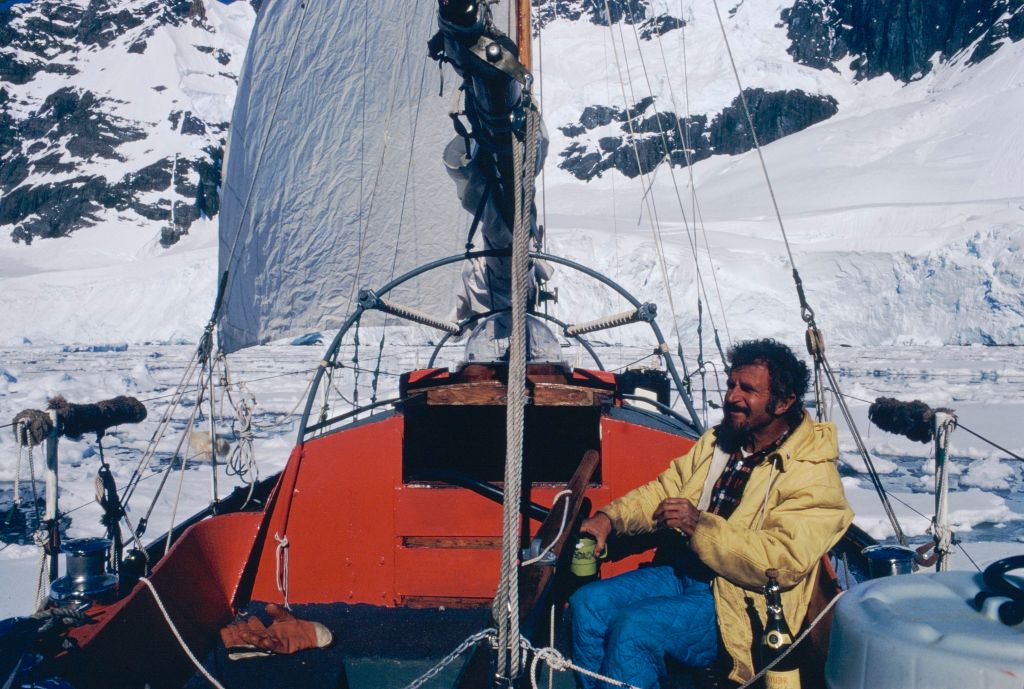
    Leeds graduate, David Henry Lewis, is best remembered as the Kiwi adventurer who sailed the world, and yet his 2002 obituary hints at his other life as a doctor who was integral in the establishment of the NHS. Lewis was born in England but raised in New Zealand and Rarotonga; he was educated in a Polynesian school and firmly identified as a New Zealander. Described as “short, sturdy and tough” Lewis was well-suited to skiing and mountaineering but committed to a medical career instead and he arrived in Leeds in 1938 to complete his education. He also served as a medical officer in a paratroop regiment during World War Two. 

    Lewis’ sailing career started in 1960, when the breakdown of his first marriage (he was an unashamed lifelong womaniser) reignited the ‘adventurer bug’ in him and he competed in the first solo trans-Atlantic race and came third. He briefly returned to medicine in the UK, however for Lewis, an unusual doctor with a sometimes-bizarre bedside manner (he was known to examine patients only in his swimming trunks) it was unsurprising that his NHS career was short-lived. In 1964 he took his second wife and two young daughters and completed the first circumnavigation of the globe in a multihull ‘Rehu Moana’. He then sought to learn traditional Polynesian navigation techniques from Micronesian sailors – responding to their questions of why in his mild but tenacious manner: “My name is David Lewis, I come from the village of London in the island of England, and I have come to sit at the feet of your wise men and learn how to find my way across the sea”. But even that adventure wasn’t enough, Lewis went on to capsize alone in the Antarctic, establish the Oceanic Research Foundation, extinguish an onboard fire and survive a crew mutiny. 

    Alongside Lewis’ sailing celebrity, in his brief career as a doctor he played an important part in the foundation of the NHS. Although the National Health Service Act of 1946 pledged to provide a family doctor for the entire population, Aneurin Bevin had failed to persuade GPs that universal healthcare was important enough to sacrifice their independent (and often very lucrative) private practices. Therefore, the foundation and 1948 introduction of the NHS was reliant on support from a few key GPs whose action forced those resistant to comply. Approximately ninety percent of patients had signed up to those doctors willing to enter the scheme within the first month, leaving behind a crumbling system of private healthcare. David Henry Lewis was one of the few doctors willing to risk the security of their careers on the NHS. Lewis’ support was unsurprising given his political beliefs: he was a communist who vehemently opposed political systems with bureaucracy that failed the poor (Putt, 2002). Although Lewis’ legacy is not one of individual medical innovation or genius, the NHS was the result of a social revolution and brave systemic change that introduced the first universal healthcare system in the world. And the gamble Lewis took paid off, the 1948 mortality index showed a twenty percent decline compared to 1938 (which had the lowest standardised mortality of any year pre-WW2) and a drastic improvement in public health was seen; the NHS altered medical practice immeasurably and imbedded itself in the sociocultural psyche of the UK. 

    Described by fellow adventurer Dick Smith as a “wonderfully fantastic scallywag” Lewis recorded his adventures in 12 successful books and shared his love for the ocean and traditional navigation with thousands. He sailed well into his eighties, even after losing his eyesight, and after he died in 2002 his ashes were scattered in his beloved Pacific ocean. Although Lewis is well remembered as a sailor, adventurer and anthropologist, his contribution to the pioneering work of the infant NHS should not be forgotten as its impact is immeasurable. 

    Sailing well into his eighties, even after losing his eyesight, Lewis is only well remembered as a sailor, adventurer, and anthropologist despite his contribution to the pioneering work of an infant NHS being possibly just as, if not more, impactful.

    References:

    Putt, C. 2002. The sailor who set out to see it all. [Online]. [Accessed 13 January 2023]. Available from: https://www.smh.com.au/national/the-sailor-who-set-out-to-see-it-all-20021116-gdftrz.html 

    Rivett, G. 2019. 1948-1957: Establishing the National Health Service. [Online]. [Accessed 13 January 2023]. Available from: https://www.nuffieldtrust.org.uk/chapter/1948-1957-establishing-the-national-health-service 

    Thompson, M. 2017. The NHS and the public: a historical perspective. [Online]. [Accessed 13 January 2023]. Available from: https://www.kingsfund.org.uk/blog/2017/10/nhs-and-public-historical-perspective 

    Ministry of Health. 1950. Public Health in 1948: Remarkable Statistics: the first months of the Nation Health Service. [Online]. Ministry of Health. [Accessed 13 January 2023]. Available from: https://cdm21047.contentdm.oclc.org/digital/collection/tav/id/1116 

  • Mind The Gap

    Mind The Gap

    Abigail Ngwang, Year 3

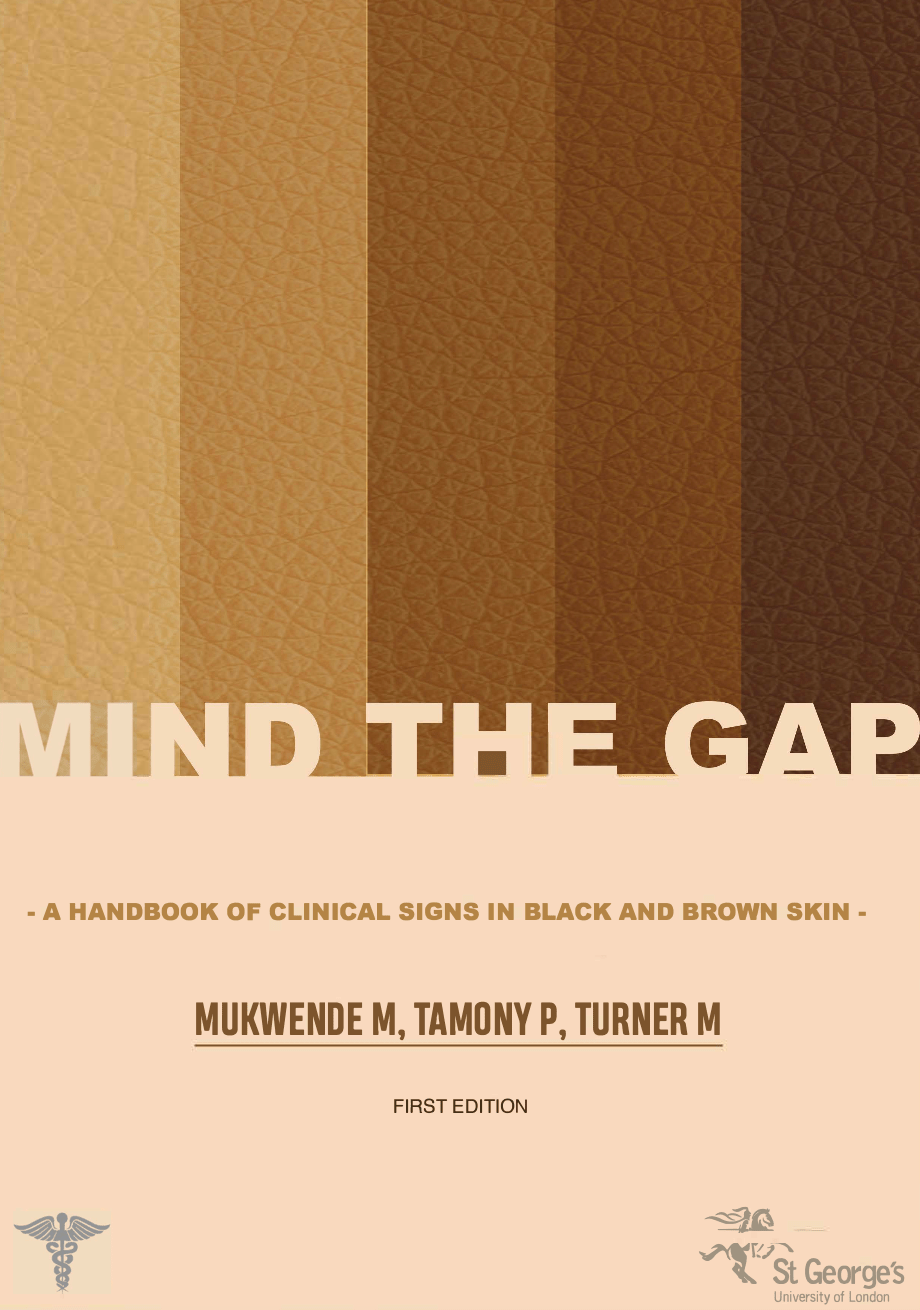
    “Mind the gap” by Malone Mukwende is a comprehensive guide to the signs and symptoms of a range of medical conditions on different skin tones. The purpose of the book is to bring awareness to the lack of literature displaying medical conditions on black and brown skin. It also aims to fill in the gaps within public understanding of the presentation of medical conditions, and within University curriculums that often do not appropriately equip healthcare students with the tools to effectively treat diverse populations.

    Mind the gap thoroughly covers twenty-four different conditions. The handbook displays images of the clinical signs of conditions on a range of skin tones and then proceeds to describe the condition and how to identify it, therefore mitigating gaps in medical education. Educational voids can create a snowballing effect, in which conditions may be misdiagnosed or entirely missed, leading to delay or absence in treatment, resulting in higher mortality and morbidity rates amongst people with darker skin.

    The necessity of this handbook is highlighted by the analysis of images in popular medical textbooks. Gray’s anatomy, one of the world’s most famous medical textbooks, has little skin tone diversity. Within the 2015 version of the popular textbook, 88.1% of the images had light skin tone, whilst dark skin tones had a disproportionately low representation of 5% when compared to the racial demographics of the global communities that it serves (Louie and Wilkes, 2018). This chronic underrepresentation of dark skin tones is not confined to Grays, it is seen across a host of medical textbooks, lecture slides, and other resources that current and future healthcare professionals study.

    To highlight the clinical significance of this handbook, the American Cancer Society found that the five-year melanoma survival rate is 24% lower in black patients when compared to their white counterparts (American Cancer Society, 2023). Although these statistics are the culmination of multiple factors, gaps in medical education cannot be excluded. A 2016 study conducted in the UK may provide some insight into the magnitude of this gap in education. The study displayed a significant disparity in the abilities of GPs to diagnose various skin conditions on light and dark skin. On average clinicians were 36.5% more likely to misdiagnose melanoma (Lyman, Mills, and Shipman, 2017).

    The book displays racial health biases on a global stage and has been downloaded over 250,000 times, across more than 100 countries. It has gained recognition from celebrities such as Angelina Jolie, who also recognises the need for the diversification of medical education and the medical workforce to mitigate racial health inequalities.

    As a visionary who is transforming medicine, Malone’s endeavours go beyond this handbook. He is currently creating an application called Hutano, which will serve as a diverse online community in which people can share the experience and challenges of living with skin conditions. In addition, Malone is creating a YouTube channel, another tool in his mission to remove racial biases from medicine.

    Overall, a fantastic resource with the potential for exponential impact.

    ***

    This book review is also part of the monthly book reviews done by the StudentFairhealth society.  If you’re interested in discussing similar books on health inequalities or interested in helping to reduce health inequity in our community join and follow our society on instagram at ‘fairhealth_leeds’ and join our future events!

    References:

    1. American Cancer Society (1930) ‘Cancer Facts & Figures 2023’. https://www.cancer.org/content/dam/cancer-org/research/cancer-facts-and-statistics/annual-cancer-facts-and-figures/2023/2023-cancer-facts-and-figures.pdf.

    2. Lyman, M., Mills, J.O. and Shipman, A.R. (2017) ‘A dermatological questionnaire for general practitioners in England with a focus on melanoma; misdiagnosis in black patients compared to white patients’, Journal of the European Academy of Dermatology and Venereology: JEADV, 31(4), pp. 625–628. Available at: https://doi.org/10.1111/jdv.13949.3. Louie, P. and Wilkes, R. (2018) ‘Representations of race and skin tone in medical textbook imagery’, Social Science & Medicine, 202, pp. 38–42. Available at: https://doi.org/10.1016/j.socscimed.2018.02.023.

  • What a Fake: Is Cosmetic Surgery a Vain Venture

    What a Fake: Is Cosmetic Surgery a Vain Venture

    Holly Dobbing, Year 3

    Vanity. A word that often springs to mind when cosmetic procedures are considered. People assume she wanted breast implants to impress someone. People suspect he wanted a nose job to feel more attractive. People guess they wanted a face-lift to look younger. 

    In this article I will explore the other side tocosmetic procedures. The hidden side. The side that people often fail to consider. The side where cosmetic procedures are driven not by vanity or pride or conceit, but by desperation and insecurity and fear. I propose a question: are cosmetic procedures truly cosmetic if they have such an intrinsic link to patients’ mental health and have a direct impact on their psychological well being? 

    Surgery to alter appearance, from nose-jobs to boob-jobs and everything in between, is still surrounded by so much stigma. I know if someone states they have had cosmetic surgery, certain ideas and stereotypes enter our minds. I believe many people continue to view cosmetic surgery with a hidden condescension towards patients who have undergone these procedures. In fact, you need to look no further than magazines and tabloids that ‘out’ celebrities who have had cosmetic surgery, as though it were some sort of shameful secret. 

    Let’s also consider procedures such as breast reduction surgery. Breast reduction surgery is often undertaken to help patients who are unhappy with the weight, shape or size of their breasts (NHS, 2022). Often, patients have to pay for this surgery privately because it is viewed as cosmetic if the sole purpose of surgery is to alter appearance. Rarely, the NHS fund the surgery, but only if the patient meets stringent criteria and is experiencing various other side effects due to having very large breasts, such as backache, shoulder or neck pain, or rashes and skin infections underneath the breasts (NHS, 2022). Whilst they do acknowledge mental health issues and depression due to appearance is a significant health reason to want this surgery, this alone is not enough for a referral (NHS 2022). I was also told by a GP whilst I was on placement that even if the patients meet the criteria for referral, they are often rejected anyway. According to the NHS website, breast reduction surgery costs £6,500, however this is likely far more when consultations, pre-operative assessments, medications and after-care are factored in (NHS, 2019). This is a huge financial burden to people who are potentially already struggling with their mental health due to a reduced self-image and significant insecurities. This further illustrates the systemic prejudice we take against people who want these procedures.

    Another ‘cosmetic’ issue I want to discuss is that of purchasing wigs. From male-pattern baldness, to alopecia, chemotherapy and an endless list of conditions that may cause baldness, patients in England are expected to buy wigs either from the NHS or private retailers. The NHS fund wigs for a number of specific conditions, as long as a consultant dermatologist requests it, so patients can buy them for the cost of a normal prescription. However, these wigs are standard wigs, with limited choice of colours and styles, and a limited standard of quality. I appreciate with the fundamental funding problems that underpin the functioning of the NHS, we must limit the number, quality or cost contribution made for each wig, however it still feels as though we do not acknowledge that these wigs may be the only thing that helps that patient feel confident enough to still leave the house every day. Physical health and mental health should be of equal importance to us as they often have equally significant effects on the patient’s wellbeing. Allowing the systemic prejudice of aesthetics and cosmetics to impact the mental health of our patients is unacceptable.

    But why do we think this way when we take such liberal views on other topics? Is it a strange cultural phenomenon? Perhaps we cling to the idea that physical beauty is something one must be born with. However, beauty is not skin deep, and nor is the impact that cosmetic procedures have on the lives of the patients remotely superficial. Evidence shows that cosmetic surgery has a significant effect on self-confidence and self-image (Motakef et al., 2014). Likely, this is because the surgery addresses deeper personal and psychological issues, rather than purely aesthetics. Therefore, if we stop viewing cosmetics as purely aesthetic procedures, and acknowledge the impact these insecurities may have on our patients’ wellbeing, we may be able to treat patients in a more holistic and understanding way. I believe cosmetic surgery is not a vain venture – it is a huge step for many people towards a happier and healthier life.

    References:

    Motakef, Saba M.D.; Motakef, Sahar M.A.; Chung, Michael T. M.D.; Ingargiola, Michael J. M.D.; Rodriguez-Feliz, Jose M.D.. The Cosmetic Surgery Stigma: An American Cultural Phenomenon?. Plastic and Reconstructive Surgery 134(5):p 854e-855e, November 2014. | DOI: 10.1097/PRS.0000000000000604

    NHS. Breast Reduction (female). 2019. Online. Accessed https://www.nhs.uk/conditions/cosmetic-procedures/cosmetic-surgery/breast-reduction-female/ 31st January 2023.

    NHS. Breast Reduction on the NHS. 2022. Online. Accessed https://www.nhs.uk/conditions/breast-reduction-on-the-nhs/ 31st January 2023.

    NHS. Advice and pathway for the supply of NHS funded Wigs. 2020. Online. Accessed https://www.kirkleesccg.nhs.uk/resources/individual-funding-requests/advice-and-pathway-for-the-supply-of-nhs-funded-wigs/ 31st January 2023. 

  • ‘A Devil Inside’ Review

    ‘A Devil Inside’ Review

    Zak Muggleton, Year 3

    Photos credits to James Bosher

    On the 13-15th December, Look Sharp Theatre (in the Banham Theatre) performed a foot-filled, shocking psychological thriller,’ A Devil Inside.’ This talented cast introduced us to a wide range of personalities, all fighting their inner demons as they fight for their lives. 

    While the audience was getting settled into their seats, we were drawn immediately into the life of ‘Mrs. Slater,’ a widow with a son named Gene, as she goes about her business in her Laundromat. The co-directors Lewis Fraser and Luke Haywood offer more than a small delight alongside the production team – the play had an impressively stylised approach with powerful lighting and props from Matt Harrup and Saffy Wehren. The set looked almost ‘cartoonist,’ already involving all the contexts where the play takes place—the washing machine to the right, the workshop bench to the left, and a countertop, containing an array of items on its shelves, at the back. The use of the dim lighting and light blue set, accompanied by background music, sent the audience into a false sense of comfort before the chaos of the play truly began. Plastered across the far wall was ‘HAPPY BIRTHDAY… 

    Mrs. Slater (played by Alisha Walton) reveals to her son Gene (played by Sam Sheridan), on his 21st birthday, that their father was murdered 14 years prior, and that it is his job, as an adult man, to avenge his father’s death, with his new hiking boots. But Gene is too distracted by his lust for his classmate in their Russian literature class, Caitlin (played by Flo Granger)  to fulfil his new task of justice for his father. But unfortunately, Caitlin does not feel the same and has a crush on their professor, Carl Raymond (played by Tom Davy). Mentally unstable and chronically alcoholic, Carl fantasises about killing Brad (played by Morgan King) whose normality sends Carl into a spiral. But Brad is not alone in his workshop, as the mysterious artist Lily (played by Liv Blythe) continues to evade questions and fulfil her agenda. The play was filled with utter chaos, as all of the characters’ lives are intertwined and destined to end badly for all. 

    A picture containing person, dark, crowd

Description automatically generated

    It is safe to say that the play can be described as startling, as we were rendered entirely speechless by the end. David Lindsay-Abaire’s play takes horrifying themes, and thrusts them on the audience, with very little time to process how terrifying the plot is. This play is a sensory overload, from start to end, and that is the entire reason it was such an experience! This is entirely accredited to the cast, possessing impeccable pace, characterisation, and chemistry that allowed them to keep the audience following along. It could have been easy to leave the audience behind, due to the fast-paced and intricate plot, but this cast gave the show a tremendous amount of energy, so much so that it ended in a flash. Alisha Walton’s portrayal of Mrs. Slater main strength was her complete commitment to the characterisation, and that was seriously impressive. From the moment she was on stage to when she stepped back off, there is no question we believed she relied on that cane, and her voice was spot on. Her maternal and wise nature shone through, especially when talking to Gene, played by Sam Sheridan. 

    Gene was winey, childish, and naïve, doing such a great job at helping us understand the character’s decision-making. He posed as a lovable man-child impeccably well, whilst still bringing a huge amount of depth to the character, with us fully believing he was not equipped to bring on this life-threatening journey. The chemistry between Caitlin (played by Flo Granger) and Carl (played by Tom Davy) was electric, with their equally neurotic personalities striking the audience. Granger’s portrayal of Caitlin was especially hilarious, with her wide-eyed expression and a stoic, forced smile, as her dead-pan delivery landed every time. Davy’s monologues were no easy task either, so he deserves to be congratulated for making the audience uneasy with Carl’s terrifying intrusive thoughts. 

    A picture containing person, person

Description automatically generated

    Last, but certainly not least, Lily (played by Liv Blyth) and Brad (played by Morgan King) executed their roles with perfect comedic timing. Blythe’s character was essential for the plot, which was a huge task due to the fact the cast had to be utterly convinced she was to blame. She is brilliantly deadpan in her narrative revelations and brilliantly deluded—scouring our imagination with the deaths of her family, and the depth of her mania. King had a great warmth in their absent speech, brilliantly undercutting Blythe’s seriousness to share their ever-churning thoughts. When King has a crazed, blooded mouth at the play’s ending we are almost relieved—the final stilling of a truly impressive torment, exhausting even to witness. 

    Eventually, everything descends and the waters rise. And the audience too is a little crazed. We’re laughing in the end—a little confused and a little tired—but the cast has made sure that we’ve had fun for each second along the way. I look forward to the next offering from ‘Look Sharp Theatre’—with devilish excitement…

  • Grease! Review

    Grease! Review

    Kate Gerrard, Year 3; Photo credits to Tom Gibson (@__tomgibson) 

    For our end-of-term treat, Leeds University Union Stage Musical Society (LUUSMS) and Backstage Society brought us their production of Grease. I’ll make the assumption that readers are familiar with the plot already, and save my precious word count for the review itself—let’s get to it!

    For a university show, the production team was fairly extensive, with collaboration in roles: Savannah Perry and Abbie Freeston as co-directors, Matthew Stanley and Lilian Sztankov as co-musical directors, and Olivia Taylor-Goy and Maeve Gallagher as co-producers. (That’s a mouthful when you say it out loud.) I was impressed that members of the team also starred in lead roles as if they hadn’t already gotten their work cut out!

    Backstage Society took care of the set, props, lighting and sound. Daisy Bennet stood as production manager, with stage manager Alice Haughey and her deputy, Beth Warriner. Lighting and sound were designed by Megan Murphy and Emily Taylor respectively.

    The set’s skeleton was composed of bleachers on stage left and right, to create levels for blocking. This was utilised effectively in “Summer Nights” by the directors to contrast the Pink Ladies’ lunch benches in the foreground to the T-Birds on the sports pitch behind. The appearance of the eponymous car in “Greased Lightning” was highly anticipated. Given the restraints of a uni show budget, a good level of creativity and clever construction were used. It was a shame the windscreen frame obscured the audience’s sight lines during the drive-in cinema scene, at least from my position, so unfortunately I missed some of Sandy and Danny’s interaction.

    Sandy, played by Ella Smith, had a lovely tone and sweetness to her vibrato which suited her character. I appreciated the subtlety and innocence she brought to her acting. Her pastel yellow cardigan and headband painted her as the preppy girl we know and love from the film. Side note: Smith couldn’t have had more perfect hair for the role—she must have the Dyson Airwrap technique mastered to achieve that perfect Sandy flick! Connor Bourke Hurtado led alongside her as Danny. The story of young love they told was both convincing, and reminiscent of one’s own first secondary school crush. Hurtado mastered the holy trinity mannerisms of the T-Birds: the collar flip, the hair comb and the jean pocket thumb hook. Danny is a difficult character to play given John Travolta originated the role, but Hurtado added a more boyish tenderness which was refreshing. There were moments when the leads’ projection wasn’t quite there, but this could be due to the mic issues that cropped up on occasion.

    Lydia Duval was perfect for the complex role of Rizzo—an excellent casting choice from the directors. She had the aura of maturity that differentiates her from the other high schoolers and was a complete contrast to Sandy’s girl-next-door naivety. Duval portrayed both Rizzo’s fierceness and vulnerability. She had a commanding presence whenever she was on stage and her acting was outstanding throughout. Rizzo is initially the intimidating queen bully as demonstrated in ”Sandra Dee”, but by the final act, we were shown her flaws and insecurities, opening her up to the audience’s sympathies. The night I saw the show, she did not falter in her solo (“There Are Worse Things I Could Do”) despite members of the audience being distracting, which I commend her for. The emotion, control, and POWER in her belt were captivating.

    Rizzo and Kenickie (Stevie Catney) were well-matched with believable sexual tension and explosive arguments. Catney leaned into Kenickie’s toughness and the classic bad-boy greaser which was a good decision. He showed a sensitive side, furthering his character arc when he discovered Rizzo is pregnant (oops, spoiler alert—I did say I’d assume we all knew the plot!).

    Further chemistry was seen between members of the Pink Ladies and the T-Birds. Although missing the logo on their jackets, the T-Bird boys captured the testosterone-driven laddishness of high school jocks. Whilst the dynamic between the Pink Ladies made me nostalgic for girls’ sleepovers and late-night gossiping, the maturity levels (or lack of, in the case of the boys) of both groups were pitched well. I adored the actions and backing vocals of the girls in “Freddy, My Love”, which comedically supplemented the rich vibrato of Marty (Jess Crowther). Co-producer Olivia Taylor-Goy did a great job of Frenchy, and Betsy Wilson was a joy as Jan (more on her choreography to follow).

    I loved the connections between the couples: Sonny (Myles Tew) with Marty, Roger (David Bygraves) with Jan and Doody (Elliot King) with Frenchy. King and Bygraves’ duet “Party Queen” was executed with a strong falsetto accompanied by guitar, and “Those Magic Changes” was a catchy favourite. Jan and Roger’s harmonising in “Mooning” was glorious and hilarious. Wilson exuded youthful girliness and Bygraves had an impressive top range.

    Another stand-out performance came from Mia Ruby Crockart as Patty Simcox. The role is generally portrayed as the irritating teacher’s pet. Crockart’s version endeared herself to the audience by having them in stitches with her natural comedic timing, expressive facial reactions and peppy cheerleading moves. Each mannerism seemed a well-thought-out choice for her character, and she did not let Patty’s unbottled keenness fizzle out once. The dialogue between Patty, Sandy, and Danny stood out as an example of this—I still chuckle about the way Patty snatched the baton back.

    I really loved the comedic double act of Patty and Eugene (Gabriel Curteis), the two yearbook high achievers. Although not scripted as lead characters, both actors’ performances made them so. Their energy really added to the show, especially through their dancing talent. Eugene got a lot of laughs from the crowd.

    Louis Dixon was magnificent as Vince Fontaine—the characterisation was spot on for the time period. For the 1950s TV personality Dixon found the perfect balance of sexy, suave yet slightly self-obsessed. He threw in a moonwalk, and those hip gyrations deserved a spin-off show of their own! Praise is due for Maeve Gallagher as headmistress Miss Lynch—another on-the-nose performance for the decade delivered with charming stage presence.

    Betsy Wilson (with help from Abbie Freeston) did a fantastic job of the choreography and catered to all dancing abilities in the cast. I particularly enjoyed the dance breaks for the principal dancers, including the cheerleading in “Rydell Fight Song”. Of all the LUU musical theatre societies, SMS has a reputation for having the strongest dancing, and this title remains. There was a particularly delightful snapshot in the opening number “Grease”, where the cast was clustered together, gesticulating in sync. I appreciated the incorporation of shammy leathers into the routine to add to the garage setting. Often during full cast numbers, the harmonies become tangled, but this was not the case – each harmony line shone. I’ll mention the ensemble members here that brought the scene to life: Talia Goss, Annabel Martin, Grace Greenwood, Ella Fairley, Elena Lacy, Katie Tse, Casiah Palmer-Stirling and Brent Edington.

    The school dance scene must have been a mammoth task to block, but it paid off by being the most memorable. Cha Cha’s debut (Ella Wilson) lived up to her nickname with her sensational (and saucy) dance moves. There were so many visual nuggets to enjoy whilst being serenaded by Gee Case-Watson as Johnny Casino and the band. I found myself itching to join in with the hand jive. The costumes really flourished here too—picture vibrant petticoats under 1950s prom dresses.

    “Beauty School Drop-out” was another highlight, the directors hit the nail on the head in terms of tone—it was fantastical, ridiculous, and straight out of a 1950s shampoo commercial. Wilson triumphed with the choreography again. The bubbles drew giggles from the audience, as did Eugene’s skip. The use of a glitter ball bathed the audience in pinkly sparkly beauty-salon-dreaminess. The cast delivered angelic distinct harmonies, to accompany the dulcet tones of Jack Foster—the sharp-suited soloist. Sourcing costumes on a budget is immensely challenging, but the producers found an innovative solution in the hair-roller headbands and silver hairdressing gowns. This scene demonstrated the production team working at its very best.

    For such a hair-oiled show, the scene transitions needed a little extra grease—more slick and intentional. At times it felt the energy generated by the cast vocals was lost transferring into the subsequent dialogue. The same can be said for the underscoring during scene changes which cut off abruptly at points. Both threw the pacing off slightly.

    To be needlessly nit-picky, but a note to all actors, the audience may notice the most minute details: jewellery. In the sleepover scene, Frenchy convinces Sandy to get her ears pierced—arguably the first step towards bad-girl Sandy. However, Smith already had multiple piercings in situ, so we missed out on this character development, so the final greaser girl transformation was less drastic. There may have been a reoffence in the form of an engagement ring on the wrong finger, but I’ll put it down to needing a check-up at Specsavers.

    In contrast, Palmer-Stirling gave great attention to detail in designing the digital program and Instagram content. The yearbook aesthetic was a lovely touch, and I would have loved for the set and props to lean into this aesthetic more to add to the high school nostalgia.

    To paraphrase the theme tune of the legendary musical: “Grease, it’s got groove, it’s got meaning”, the production had “time, place and motion”, and “Grease is [indeed] the way we are feeling”.

    I’m looking forward to seeing what SMS and Backstage Society do next!

  • Open Theatre’s ‘Grandma’s Garden’: Bringing Taboo to the Table

    Open Theatre’s ‘Grandma’s Garden’: Bringing Taboo to the Table

    India Thomas, Year 1

    There’s an ambient, unsuspecting atmosphere: a string of fairy lights across the stage; a floral sofa; foliage and a chess board; soft lighting. Centre stage, there’s a table surrounded by sofas: a cosy atmosphere. Then The Grandma, referred to as ‘Gogo’ and played by the talented Akna Lamahewa, enters, dancing to ‘California Gurls’. The dancing immediately creates a playful tone, setting the audience up for the utterly hilarious performance to come.

    The play is centred around Gogo and her grandchildren, who grew up in South Africa before moving to the UK and is set over a period of a couple of days where we explore the various character dynamics and relationships. But, as we very quickly discover, no topic is too taboo to discuss as the writer and director, Grace Conway, brings masturbation, sex, and sexual health, quite literally, to the table. 

    Let’s start by looking at the three c’s: casting, costume and characterisation. The casting was superb for most of the characters and all the actors were extremely talented and confident. Akna Lamahewa played Gogo and spent most of the play in a somewhat revealing dressing gown. This perfectly placed us in her home but quickly revealed her as an entertaining character. Whilst Lamahewa’s South African accent slipped slightly at times, it was made up for by her hilarious lines, which fitted so well with her character. Ginny Davis played the brilliant, sarcastic Edna (the best friend) in a fetching black bob wig (in itself, hilarious). Davis perfected the off-hand, witty nature of Edna’s character and epitomised the student struggle as she procrastinated through her Cambridge exam essay. Perhaps the most talented actor in the group, Phoebe Sanders, played Cousin One. Her lines were delivered perfectly and so cleverly portrayed the colloquial language and attitudes of Gen Z. She came across as a big-hearted but moody and, at times, a nasty older sister. 

    Issy Ineson, Martine Neang and Lydia Baggaley–playing the respective roles of the granddaughter, sibling and cousin two–seemed to have smaller roles than the other actors. Despite this, all three confidently portrayed their characters. The costumes were particularly effective: the Grandaughter sported gym leggings and an athletic top, conveying the character’s love of cycling and her energetic and light-hearted persona. The use of dungarees to connote the sibling’s youth worked well, and the PE kit bag dragged across the floor in a state of teenage angst is a scene I’m sure many of us can recall from our time in secondary school! Perhaps the cleverest use of costume was with Cousin Two. She was in neutral-coloured, comfy clothes, yet her character entirely juxtaposed these soft connotations: she was scornful and argumentative, and I loved how the production team played with her character!

    I’d argue that the roles of Ineson and Neang should have perhaps been switched; a combination of the language used and the actor’s body language painted Ineson as being much younger than the early adolescent played by Neang and vice versa. However, the acting from all six actors was of high standard, and their ability to maintain such strict characterisation whilst talking about masturbation and vibrators was applaudable.

    Whilst on the topic of vibrators, my favourite scene was when the sibling found a vibrator. The audience were in peals of laughter as it jittered across the floor. With the pressures of med school, I think it’s the hardest I’ve laughed in months! The production team was exceptional, and Conway’s writing is ingenious, as clearly demonstrated by the almost constant laughter from the audience. I personally would have liked more of the characters to have names, but this didn’t hamper understanding or enjoyment of the play (just would have made writing this review a little easier!).

    Overall, the play was a delight to watch, and for the first play I’ve ever watched in LUU, the bar is set extremely high! Of course, it would be nothing without its wonderful production team made up of Conway alongside Caroline Rauch (assistant director), Yannie Lai Wing Yan (producer), Seb Davidson (set designer), Emily Bell (shadow producer) and Sky Jada (shadow director). Collectively, their efforts produced a stunning play that handled taboo topics with both sensitivity and wit. The character development and set design was superb and the ability to block out and rehearse and then perform a play to this standard in just a couple of months is applaudable!

    My final impression: Leeds does know how to do theatre!

  • New Year, New You

    New Year, New You

    Shruti Chawla, Intercalating

    By the time this is published, we have probably made a dent into term two, as well as 2023.

     January marks the start of a new year in terms of the Gregorian calendar, however, academically, we are usually plagued by January exams or submissions, haunted by the ghost of lectures past. 

    The New Year always brings about a certain energy, usually an energy to propel change. In 2021, we were blissfully waving good riddance to all the lockdowns, the ever-changing rules and looking forward to a pandemic panic free 2022. Perhaps we waved with a little too much optimism: the world certainly did not settle. 

    Over 2022, we have witnessed some significant events: the Russian invasion of Ukraine; the passing of Her Majesty the Queen, three prime ministers within 3 months and a stark reminder that women’s rights are not where they deserve to be. (Please see below if you want more information or are affected by anything mentioned above)

    Whilst the world goes into meltdown and consequently recovers to the soundtrack of the “Fairy Tale of New York” (my favourite), we all look ahead to what the next year may bring. This inevitably lands us on the topic of New Year’s Resolutions.

    Whether you have vague goals, a specific event to prepare for or a weekly checklist – we are all guilty of bringing the new year in with certain expectations and a side helping of hangxiety (maybe just me with the latter). 

    So, what is the psychology of using the New Year to propel change? Is it worth it?

    Let’s start by exploring the “fresh-start effect,”  coined by Dai, Milkman and Riis in 2014. The effect suggests that people are more likely to tackle their goals through having temporal landmarks – and in terms of our society, the New Year is probably the most important landmark of all. There is also the idea that goal setting emerges after a period of life-change, whether this be slowing down and indulging at Christmas, finishing a stressful term, or going through a break-up with your partner/friends/family. 

    A temporal landmark that is either personally significant, or significant to society allows us to track our change, providing a clear comparison and therefore a source of motivation. Additionally, knowing that Jan 1st marks THE day of change, we are prompted to reflect, which can be a consuming and challenging task – but it’s nice to know that many people are probably doing the same. There is a sense of community with resolutions; they’re an easy point of conversation, they can be light-hearted and to be honest, most people fail by February, so there’s an opportunity for an anecdote to laugh at. 

    How do we make them stick?

    Not submitting into pressure and viewing the New Year as a catalyst for character changes. Make sure the change you want to make, the goal you want to achieve is fuelled by your own desires rather than what other people expect of you. Although this is much easier said than done. 

    Start small and split the main goal up into smaller aspects. For example, if the goal is to go to the gym during placement weeks, start with a couple days a week for longer workouts or shorten the workout time to fit it in and then progress from there. When it feels natural, you can add more days or add more time. What’s important is to not beat yourself up about it being difficult, but to perhaps just give grace for trying. 

    Is it worth it?

    We must consider the “empathy gap” – a fun little phrase coined to show the difference in perspective to when we set a goal, compared to when we will undertake them. To take the classic “healthy eating” example; at Christmas, we are usually fulfilled by good food, drinks, and conversation. When fulfilled, it’s easy not to be able to visualise future hurdles for yourself. Therefore, it might not be worth making resolutions when you are in an environment that doesn’t represent some sort of normalcy.  To put it simply, make goal setting a continual cycle, instead of waiting for major life events or society-driven temporal landmarks as it is probably more likely to work better this way. 

    Helpful Links: 

    https://www.leeds.ac.uk/news-statements/news/article/5197/cost-of-living-payments – guide for cost of living. 

    https://www.leeds.ac.uk/news/article/5046/ukraine – statement on the Russian invasion of Ukrainehttps://equality.leeds.ac.uk/support-and-resources/useful-links/gender-equality/ – Women& Gender Equality.

  • Surrogacy: A Violation of Ethics or an Altruistic Act?

    Surrogacy: A Violation of Ethics or an Altruistic Act?

    Holly Dobbing, year 3

    According to the Department of Health and Social Care (on the UK government website), surrogacy is ‘when a woman carries a baby for someone who is unable to conceive or carry a child themselves’ (Department of Health and Social Care, 2021). Surrogacy is often seen as a ‘treatment’ for couples who are unable to conceive, or as an alternative to adoption; actually, it is much more than this. Surrogacy brings a wealth of complex ethical issues, largely relating to autonomy: the surrogate mother’s right to choose.

    On signing the contract, the surrogate mother signs over her rights to the control of her own body over to the commissioning couple (Dodds and Jones, 1989). The mother agrees not to smoke, drink or take drugs for the entirety of her pregnancy, as well as to commit herself to any and all medical appointments, including abiding by all decisions of the doctors regarding treatment (Dodds and Jones, 1989). She also must undergo amniocentesis (testing of the amniotic fluid in the womb (NHS, 2022)) and is obliged to abort the foetus if the commissioning couple desire her to do so given the results of the test (Dodds and Jones, 1989). This illustrates the complete powerlessness the surrogate mother has in making any autonomous decisions with regards to her pregnancy. 

    Furthermore, the surrogate mother must agree to give up the child prior to insemination (Dodds and Jones, 1989). This means she must agree to this before she even experiences pregnancy and the deep emotional attachment she may develop with the unborn child. How can a woman give fully informed consent when she does not yet know how she will feel about such an act? Therefore, is it ethical to legally hold her to a contract she signed without informed consent? 

    In addition, surrogate mothers are of a lower socioeconomic class in comparison to the commissioning couple (Dodds and Jones, 1989). This means women may turn to surrogacy to provide for themselves and/or their other children when they would not otherwise do so. This also opens a doorway for financial coercion and exploitation of surrogate mothers. 

    One solution could be to implement a board of people to counsel and discuss with the potential surrogate mother her options prior to signing of the contract. They could also assess her motivations and the key influences on her decision-making. This may mitigate against exploitation of the potential surrogate and ensure that her decision is as fully informed as possible. This would reduce the risk of surrogate mothers being unduly influenced and coerced into a decision they are not comfortable with. 

    Alternatively, surrogate contracts could include an escape clause, to allow the surrogate mother more autonomy over the outcome of the pregnancy. This would allow surrogate mothers the freedom to abort the foetus if they felt necessary, or to keep the child if they felt giving the child up would cause them significant harm, with no repercussions from the commissioning couple. This would give surrogate mothers far greater autonomy to choose what is best for them and their health and wellbeing without fear of being sued. However, given the child may be genetically related to one or both of the commissioning couple (Dodds and Jones, 1989), this calls into question the likelihood of a custody case in which the commissioning parents may sue the surrogate mother for custody of the child. This further generates trauma and suffering for those involved, including the child. 

    In one particular article investigating the ethics of surrogacy, Dodds and Jones conclude that in the current cultural, economic and social situation, regardless of any solutions or changes implemented, the only ethical outcome is for surrogacy contracts to be illegal (Dodds and Jones, 1989). They argue that surrogacy contracts have little regard to the child, and commodify both the women and children involved (Dodds and Jones, 1989). However others, such as Kim Kardashian who reportedly had two of her four children via surrogate, say it’s the ‘best thing’ (Worldwide Surrogacy Specialists, 2018). What do you think? Is surrogacy a violation of ethics, or an altruistic act of bringing life into the world? 

    References:

    2018. Celebrity Surrogacy: Kim Kardashian. Worldwide Surrogacy Specialists LLC [Online]. Available from: https://www.worldwidesurrogacy.org/blog/celebrity-surrogacy-kim-kardashian [Accessed 28th December 2022].

    2021. The surrogacy pathway: surrogacy and the legal process for intended parents and surrogates in England and Wales [Online]. Department of Health and Social Care. Available: https://www.gov.uk/government/publications/having-a-child-through-surrogacy/the-surrogacy-pathway-surrogacy-and-the-legal-process-for-intended-parents-and-surrogates-in-england-and-wales#:~:text=Surrogacy%20is%20when%20a%20woman,or%20carry%20a%20child%20themselves. [Accessed 28th December 2022].

    DODDS, S. & JONES, K. 1989. Surrogacy and autonomy. Bioethics, 3, 1-17.NHS. 2022. Amniocentesis [Online]. Available: https://www.nhs.uk/conditions/amniocentesis/ [Accessed 28th December 2022].