Author: Worsley Times

  • Star Wars Medicine in Leeds Teaching Hospitals 

    Star Wars Medicine in Leeds Teaching Hospitals 

    Neha Rajesh, Year 2 Medicine

    The Leeds Teaching Hospitals Trust has been at the forefront of pioneering research in interventional radiology, particularly through its involvement in the CAIN trial. This Phase I multicentre study aimed to assess the safety and effectiveness of the HistoSonics investigational system for the treatment of primary solid renal tumours. Current invasive kidney therapies can pose risks such as bleeding and infection. In contrast, non-invasive histotripsy avoids these complications and offers the potential to destroy only targeted tissue. As a result, existing therapies such as partial nephrectomy and thermal ablation could become completely non-invasive—knifeless and needleless. This advancement is significant, as it reduces post-operative recovery times, lowers infection risk, and minimizes scarring.

    Between April 2023 and March 2024, the Trust enrolled 25,695 participants across 760 active studies, with an additional 22,113 participants involved in National Institute for Health and Care Research (NIHR) portfolio studies. Brenda Wallis is one example of a success story, having undergone image-guided cryoablation for a right kidney tumour. This minimally invasive interventional radiology (IR) procedure uses extreme cold to precisely target and destroy abnormal tissue. Following a histotripsy procedure in March 2024 as part of the CAIN trial, she was discharged the day after surgery, and her tumour was deemed mostly removed. She shared, “I’m very thankful I was referred to LTHT and had the initial treatment. I’m happy with the treatment, and hopefully, once I’ve had the follow-up monitoring as part of the trial, I’ll be fit and healthy and able to get on with the rest of my life.”

    Professor Tze Min Wah, Professor of Interventional Radiology at the Trust, described the treatment as “a Star Wars era,” highlighting how it enters a realm of medicine that was previously thought impossible.

    Jennifer Perrin, another patient who underwent the histotripsy procedure, said, “After the treatment I received at the hospital, I returned to my normal activities. I enjoy line dancing and gardening. The team was excellent and very efficient. My advice to anyone considering taking part in the clinical trial is: yes, have it done. For me, it was not a problem at all.”

    Histotripsy is based on two core principles: first, it destroys tumours at the cellular level without the need for incisions; second, it uses highly focused ultrasound waves directed at the target area, avoiding damage to surrounding tissues. These high-energy waves cause rapid pressure changes that lead to the formation and collapse of natural gas microbubbles. This creates a “bubble cloud” that mechanically disrupts the targeted cells, while sparing nearby structures.

    The procedure is delivered using the Edison system, manufactured by HistoSonics. This system was selected to participate in the UK’s newly launched Innovative Devices Access Pathway (IDAP) Pilot Programme, designed to accelerate the integration of cost-effective medical devices into the UK market. Eight novel technologies were included in the programme, including one that can measure oxygen saturation regardless of skin pigmentation.

    Innovation is also underway at Bradford Teaching Hospitals NHS Foundation Trust, where the Radiology Department has introduced the new ALLIA IGS 740 system from GE Healthcare. This advanced system enables interventional radiologists to perform intricate vascular procedures with greater precision. It supports a variety of treatments, including angioplasty, stent insertion, embolisation (a technique to block abnormal blood vessels), and EVAR (endovascular aneurysm repair). I was fortunate to complete one of my placements there in my first year. At the time, I was still learning the anatomy and physiology involved in these procedures, since we hadn’t yet covered it in our body systems module. Nonetheless, I was genuinely fascinated by the complex equipment and the use of dyes, which made the experience incredibly engaging.

    In March 2025, the European Society of Radiology (ECR) held its “Planet Radiology” conference in Vienna, focusing on how radiology can contribute to a more sustainable and inclusive future. Among the potential improvements discussed in IR was a more than threefold reduction in carbon emissions when using vacuum-assisted excision procedures, compared to Magseed-guided surgical excisions or traditional wire-based assessment of BIRADS 2 and 3 lesions. Dr. Nisha Sharma, Clinical Advisor to NHS England from Leeds Teaching Hospitals, stated that “this is a viable, sustainable alternative to surgery,” noting that vacuum-assisted biopsy supports a “modern, patient-centred pathway that focuses on patient needs, beginning with the minimisation of overtreatment for high-risk breast lesions.”

    Dr. Leo Razakamanantsoa of Sorbonne University in Paris also highlighted that reducing the use of general sedation and opting for minimal local anaesthesia promotes sustainability by lowering energy consumption in operating rooms and conserving resources.

    With initiatives like IDAP and advances such as histotripsy, the future of interventional radiology looks promising in supporting sustainable and efficient healthcare delivery across the NHS.

    References: 

    • Bradford Teaching Hospitals NHS Foundation Trust. (2024). Opening of new  interventional radiology suite at Bradford Royal Infirmary.  https://www.bradfordhospitals.nhs.uk/opening-of-new-interventional-radiology-suite at-bradford-royal-infirmary/  

    • EMJ. (2025). Review of the European Congress of Radiology (ECR) 2025. https://www.emjreviews.com/radiology/congress-review/review-of-the-european congress-of-radiology-ecr-2025-j140125/

    • Esaote. (2025). ECR 2025. https://www2.esaote.com/enUS/ultrasound/article/event/ecr-2025/  

    • European Society of Radiology. (2025). ECR 2025 Programme.  https://www.myesr.org/congress/programme/ 

    • Healthcare in Europe. (2025). ECR 2025: Welcome to Planet Radiology!.  https://healthcare-in-europe.com/en/news/ecr-2025-planet-radiology-rockall.html 

    • HistoSonics. (2023). HistoSonics Announces First Ever Kidney Tumor Treatment  Using Histotripsy. https://histosonics.com/news/histosonics-announces-first-ever kidney-tumor-treatment-using-histotripsy/  

    • Leeds Teaching Hospitals NHS Trust. (2024). Call for adult patients to take part in  new research in testing a new procedure for kidney tumours.  https://www.leedsth.nhs.uk/news/call-for-adult-patients-to-take-part-in-new-research in-testing-a-new-procedure-for-kidney-tumours/  

    • Leeds Teaching Hospitals NHS Trust. (2024). Our Research.  https://www.leedsth.nhs.uk/research/our-research/  

    • PubMed. (2025). Treatment of Primary Solid Renal Tumours Using Histotripsy.  https://pubmed.ncbi.nlm.nih.gov/40295399/  

    • Sciensus. (2024). Leeds Teaching Hospitals extends Cancer Companion contract.  https://www.sciensus.com/knowledge-hub/leeds-teaching-hospital-nhs-trust-extends sciensus-cancer-companion-app-contract/  

  • Debunking The Myths and Highlighting the Reality of Obsessive Compulsive Disorder

    Debunking The Myths and Highlighting the Reality of Obsessive Compulsive Disorder

    Zahra Mohsin, Year 2 Medicine


    “I’m so OCD.”
    Phrases like this are often casually thrown around when obsessive-compulsive disorder (OCD) is discussed. However, the reality of OCD is far more profound and complex than the stereotype suggests.

    What is OCD?

    OCD is a mental health condition in which individuals experience obsessive thoughts and compulsive behaviours (NHS, 2023a). The disorder has two main components: intrusive thoughts, images, or impulses (obsessions), and compulsive behaviours performed to relieve the anxiety these obsessions cause (TED-Ed, 2015).

    Common misconceptions about OCD lead many people to label themselves as “having OCD” simply because they enjoy cleaning or prefer things to be organised (YoungMinds, 2024). While these behaviours can be symptoms of OCD, the condition itself is far more complex. Individuals with OCD find it extremely difficult—if not impossible—to dismiss their intrusive thoughts, no matter how hard they try (BBC, n.d.).

    What Causes OCD?

    The exact cause of OCD remains unknown, but several theories attempt to explain its origin. Some suggest that OCD may develop through personal experiences, such as growing up with parents who exhibit similar behaviours or coping with ongoing stress and anxiety. In some cases, pregnancy or childbirth may trigger perinatal OCD (Mind, 2023).

    Other theories point to biological factors, including the possibility of a link to abnormally low levels of serotonin. However, it remains unclear whether low serotonin is a cause or an effect of the condition (Mind, 2023).

    OCD can affect anyone—men, women, or children—at any age. Symptoms may appear as early as six years old, but they more commonly begin around puberty or in early adulthood. Approximately one in fifty people will experience OCD at some point in their lives (Royal College of Psychiatrists, 2019). Despite its prevalence, OCD is often misunderstood and misrepresented.

    Myth 1: OCD is about being obsessively clean and tidy

    The reality of OCD is far more complex than simply liking things neat or organised. People with OCD often experience deeply distressing, repetitive, and intrusive thoughts, alongside a persistent sense of danger or doubt (Benenden Health, n.d.).

    Common obsession-compulsion patterns include:

    • Contamination fears, leading to excessive cleaning or washing
    • Fear of causing harm, prompting constant checking (e.g., repeatedly ensuring doors are locked)
    • A need for symmetry, leading to compulsive ordering or counting (Stein et al., 2019)

    Some individuals also experience disturbing intrusive thoughts of an aggressive or sexual nature (Stein et al., 2019). While some with OCD may indeed be excessively tidy, these traits alone do not define the condition. OCD is characterised by uncontrollable and irrational thoughts and behaviours that the individual cannot easily dismiss (Benenden Health, n.d.).

    Myth 2: Those with OCD wash their hands constantly

    Excessive handwashing is often portrayed as the hallmark of OCD, but this is an oversimplification. Compulsions—repetitive actions performed to reduce anxiety—are a key feature of the disorder (TED-Ed, 2015). Handwashing is a common compulsion, especially in individuals with contamination fears.

    Such individuals may also:

    • Avoid touching others
    • Refrain from shaking hands
    • Obsessively brush their teeth (Psych2Go, 2021)

    However, OCD manifests in many forms, and not all individuals engage in compulsive handwashing (Benenden Health, n.d.).

    Myth 3: Repetitive behaviours always mean OCD

    While actions like double-checking or frequent handwashing can be occasional habits, OCD is a severe condition that significantly disrupts daily life (TED-Ed, 2015). People with OCD have little control over their thoughts or behaviours, which can consume hours each day and interfere with work, school, and relationships.

    The difference lies in distress and disruption. OCD behaviours are not just quirks or preferences—they are intense compulsions tied to anxiety and often cause personal suffering. These behaviours may also strain relationships, as loved ones struggle to understand the disorder or feel overwhelmed by the person’s need for reassurance (NeuroLaunch, 2024).

    Myth 4: People with OCD don’t realise their behaviours are irrational

    Most individuals with OCD are fully aware that their behaviours are irrational and lack logical basis. Still, they often feel compelled to act “just in case” (NHS, 2023b). These urges reflect the overwhelming fear and discomfort that obsessions can create, making it incredibly difficult to resist compulsions—even when one knows they don’t make sense.

    How OCD Can Be Treated

    Fortunately, effective treatments for OCD are available. One of the most common is cognitive behavioural therapy (CBT), where patients work with a therapist to confront their fears and intrusive thoughts without resorting to compulsions (NHS, 2023c). Over time, this helps desensitise individuals to their anxieties.

    Medication is also an option, particularly in more severe cases. Selective serotonin reuptake inhibitors (SSRIs)—a class of antidepressants—are often used to increase serotonin levels in the brain and reduce OCD symptoms (NHS, 2023c).

    Conclusion

    Despite being heavily stereotyped, OCD is a multifaceted condition that can manifest in many different ways and affect people differently. It is vital to continue raising awareness, dispelling myths, and encouraging accurate understanding of what OCD really is. By doing so, we can help more individuals seek treatment—ultimately improving their mental health and overall quality of life.

    References 

    • BBC. n.d. Obsessive behaviour: the facts. bbc.co.uk. [Online]. [Accessed 9 April  2025]. Available from: 

    https://www.bbc.co.uk/science/humanbody/mind/articles/disorders/ocd.shtml • Benenden Health n.d. OCD: Myths vs reality. Benenden Health. [Online]. [Accessed  9 April 2025]. Available from: https://www.benenden.co.uk/be-healthy/mind/ocd myths/ 

    • Mind. 2023. Causes of OCD. Mind.org.uk. [Online]. [Accessed 9 April 2025].  Available from: https://www.mind.org.uk/information-support/types-of-mental health-problems/obsessive-compulsive-disorder-ocd/causes-of-ocd/ 

    • NeuroLaunch. 2024. Understanding OCD: Debunking Myths and Addressing Safety  Concerns. NeuroLaunch.com. [Online]. [Accessed 9 April 2025]. Available from:  https://neurolaunch.com/is-someone-with-ocd-dangerous/ 

    • NHS. 2023a. Overview – Obsessive Compulsive Disorder (OCD). nhs.uk. [Online].  [Accessed 9 April 2025]. Available from: https://www.nhs.uk/mental 

    health/conditions/obsessive-compulsive-disorder-ocd/overview/ 

    • NHS. 2023b. Symptoms – Obsessive Compulsive Disorder (OCD). nhs.uk. [Online].  [Accessed 9 April 2025]. Available from: https://www.nhs.uk/mental 

    health/conditions/obsessive-compulsive-disorder-ocd/symptoms/ 

    • NHS. 2023c. Treatment – Obsessive compulsive disorder (OCD). NHS. [Online].  [Accessed 9 April 2025]. Available from: https://www.nhs.uk/mental health/conditions/obsessive-compulsive-disorder-ocd/treatment/. 

    • Psych2Go. 2021. 4 Types of OCD & How They Manifest. [Online]. [Accessed 9 April  2025]. Available from: https://www.youtube.com/watch?v=u_qfAtvX8Os • Royal College of Psychiatrists. 2019. Obsessive-compulsive disorder (OCD). Royal  College of Psychiatrists. [Online]. [Accessed 9 April 2025]. Available from:  https://www.rcpsych.ac.uk/mental-health/mental-illnesses-and-mental-health problems/obsessive-compulsive-disorder

    • Stein, D.J., Costa, D.L.C., Lochner, C., Miguel, E.C., Reddy, Y.C.J., Shavitt, R.G., van  den Heuvel, O.A. and Simpson, H.B. 2019. Obsessive–compulsive disorder. Nature  Reviews Disease Primers. [Online]. 5(1), p.52. [Accessed 9 April 2025]. Available  from: https://doi.org/10.1038/s41572-019-0102-3 

    • TED-Ed. 2015. Debunking the myths of OCD – Natascha M. Santos. [Online].  [Accessed 9 April 2025].

    • YoungMinds. 2024. Words Matter: Debunking Stereotypes About OCD | Blog.  YoungMinds. [Online]. [Accessed 9 April 2025]. Available from:  

    https://www.youngminds.org.uk/young-person/blog/words-matter-debunking stereotypes-about-ocd/

  • Why We Go to Medical School—and Why We Stay

    Why We Go to Medical School—and Why We Stay

    Magda Sime, Fourth Year Medicine

    The question I dreaded most in my medical school interview was, “Why do you want to be a doctor?” My anxiety around this question made me doubt whether I was making the right decision in applying. I believe that only a select few people have a deeply profound and specific reason for choosing a career in medicine—and I was certainly not one of them. I hadn’t grown up dreaming of taking this path. I made a last-minute, arguably uninformed decision based on an idea of what I thought I wanted my adult life to look like, and a feeling I had during my work experience when I was barely sixteen. For a long time, this didn’t feel good enough—especially when I was surrounded by would-be medics who had grown up equating their entry into medical school with destiny.

    The “why” of medical school plagued me, as I struggled to answer it for myself, let alone for others. I spent the better part of two years hoping no one would notice that I wasn’t entirely sure what I was doing. Luckily, not many people did ask. For the most part, it makes sense to people why someone would decide to go to medical school; the assumptions and stereotypes of a medical student—smart, overambitious, self-sacrificing—can quickly be assigned to you as soon as you mention it.

    Anyway, I wasn’t asked why I was choosing to go to medical school in my interview. Instead, I was asked to talk about a moment when I had questioned or doubted my choice to study medicine. I presumably spoke about my dreadful BMAT score and how I hadn’t let it squash my conviction—which was a lie; my conviction had been squashed. The irony now is that, after four years of medical school, I could fill a book with moments and days when I’ve questioned my decision to study medicine.

    When asked, I often describe medical school as one of the most humbling experiences a person can go through. I could tell you about twelve-hour shifts, shivering on train platforms, waiting patiently—and desperately—for my presence to be acknowledged. I could tell you about the look a surgeon gives you when you answer an anatomy question wrong, being disoriented by Passmed, and the desperation that comes with waiting for an end-of-placement form to be signed. I have cried. I have experienced burnout. I have seen patients belittled—often women in pain—and I’ve been belittled myself. Any one of these days would be enough to make many people reconsider whether medicine was the right choice. But in reality, it’s all the days in between the truly awful ones—balancing revision, getting lost in hospitals, waking up before the sun, being confused by emails—that build up to create a stressful life. Even before anything goes wrong, my day can feel longer and harder than the days of some of my non-medic friends.

    In a recent conversation, when I asked a consultant why he had chosen his specialty, he answered by telling me that the first thing he’d have any medical student reflect on is whether they actually want to be a doctor in the first place. We both laughed, and he went on to tell me how much he loves his job as a gynaecologist—but I couldn’t help but hear his joke as a warning. As the bureaucratic challenges of the NHS increase—with the added uncertainty of foundation jobs through random allocation, worsened further by the invention of placeholder jobs—and as competition ratios for specialty training get dramatically worse, the question has shifted from “Why go to medical school?” to “Why stay in the medical profession?”

    In many ways, medical school put me at ease; I found that I loved what I was learning. It has helped me grow more confident and less fearful. I’ve found more open doors than closed ones. I understand the medical profession better now—well enough to know I didn’t know a thing when I started. Most importantly, I’ve learned that a doctor’s abilities often lie more in how they communicate than in what they know. There is such privilege in being a witness to some of the worst and best moments of people’s lives.

    Despite all the bad days, there have been plenty of good ones.
    Four babies have been born under my watch—all baby girls, all younger sisters. I was one of the first people to hold them, wipe them clean, and keep them warm. The day a surgeon ordered me to hold out my hands and dropped a tumour into them was, weirdly, nearly as thrilling as the day I was first handed a newborn. I’ll remember the morning I spent on the complex chemotherapy ward round, in awe of how smart the doctors were; the day I first intubated a patient; having my hand squeezed by a woman during her contractions; and my first successful cannula. Other good days have been spent in the park with friends, celebrating small victories, running mock OSCEs in someone’s house, and pretending to study in coffee shops.

    We all have reasons for why we chose to study medicine, no matter how complex or hard to express. These reasons are not static; they change as we do—growing with our understanding of ourselves and of the profession. Doubt is often a sign of overthinking rather than indecision, and it doesn’t take away from the reasons behind our choices. Some days, I think I know why I’m here; I’m simply not reminded of it every day.

    Medical school, with its constant push forward, rarely gives us time to consciously reflect on our motivations. Yet motivation is exactly what I’ll need in the coming years, as I prepare for my final exams and begin work as a foundation doctor.

    Some days, I’m sure I don’t know what I’m doing. And on others—I know exactly why I’m here.

  • Escapes Beyond the Library: Outdoor Gems Around Leeds

    Escapes Beyond the Library: Outdoor Gems Around Leeds

    Katherine Renshaw 4th Year Medicine

    Whether you’ve just finished an OSCE, pulled an all-nighter, or just want an excuse to leave your desk, Leeds has some absolutely beautiful outdoor spots for an escape into nature. From wild swimming and canal-side runs to epic views and cosy cafés, here’s a round-up of some of my favourite places to get out, breathe some fresh air, and remind yourself there’s more to life than medicine! 


    Otley Chevin – Surprise View
    Park at Surprise View car park, and within a minute you’ll be standing at one of the most striking viewpoints near Leeds. It’s perfect if you want big skies and far-reaching views without doing a full hike. If you do fancy stretching your legs further, the woodland trails below are lovely too—and there’s often an ice cream van waiting at the top, which never hurts.


    Janet’s Foss
    This one’s a bit further afield, but worth the trip. Janet’s Foss is a picturesque waterfall and wild swimming spot near Malham, surrounded by woods and tucked into a gentle walk that also links with Malham Cove and Gordale Scar. Cold, clear water and beautiful scenery—one of the best outdoor swims in the Dales.


    Almscliffe Crag
    One of the most popular outdoor climbing spots in Leeds, but even if climbing isn’t your thing – a beautiful place to go and watch sunrise or sunset. So wrap up warm with a flask of hot chocolate and a couple of blankets and climb to the top of the rocks for stunning skies…


    Leeds–Liverpool Canal (Rodley stretch)
    If you want a longer run or a peaceful walk without any hills (a rare thing in Leeds), the canal path near Rodley is a great option. It’s flat, lined with greenery, and there are plenty of places to stop for a coffee, pint, or canal-side snack—including a lovely boat café. It’s also a popular paddleboarding spot if you’re feeling adventurous.


    Ilkley Moor
    A classic, and for good reason. Ilkley Moor is perfect for a proper walk in open countryside. You can head across the moorland or drop down into the town, which has brilliant charity shops and cafés—including the famous Betty’s for a post-walk treat. Try visiting on the first Sunday of the month when the market’s on—it makes for a lovely day out.


    Meanwood Valley Trail
    This green corridor runs from Woodhouse to Adel, winding through parks and woodland. It’s surprisingly quiet and feels a world away from the city, despite being easily accessible from Woodhouse or Headingley. Great for a lunchtime stroll or a picnic when the weather is sunny. Also if you’re after a coffee then Fika North is a great start point before walking to the trail.


    Ingleborough
    My favourite of the Yorkshire Three Peaks. At 732m, it’s a decent climb, but very doable and hugely rewarding. The views are incredible on a clear day. It’s a brilliant day trip—especially if you take the scenic Settle–Carlisle railway to get there. Also a great spot for wild camping if you’re up for an overnight.


    Kirkstall Abbey
    Right here in Leeds, Kirkstall Abbey is one of my favourite low-effort spots to unwind. The 12th-century ruins are beautiful and atmospheric, and there’s a good museum and café nearby. A quiet walk, a bit of history, and some very decent cake—it’s a peaceful place to escape to, especially after a busy week.


    Hope you enjoy some outdoor adventures!

  • The relationship between HIV/AIDS and homophobia in the 1980s

    The relationship between HIV/AIDS and homophobia in the 1980s

    Emily Crighton, Second Year Medicine

    ‘I am tired of hearing about AIDS – the fact that it is brought about as a result of sin is rarely mentioned’ (Mass-Observation, 1987).  

    Homophobic views centre on the idea that homosexuality is an abnormality and deviate from heteronormativity (Ventriglio et al., 2021).  Although homosexuality was partially decriminalised in 1967, gay men were still treated as second class citizens. Gay men could be fired from their job for being out as gay and convictions for gross indecency had tripled since the decriminalisation (BBC, 2022).  AIDS was poorly understood with many misconceptions about the nature of the disease and in the early 1980s an AIDS diagnosis meant death, this led to fear. 

    The AIDS crisis had a devasting effect on the gay community in the UK. While the physical damage was profound, so to where the psychological consequences. Furthermore, the stigma and discrimination that emerged from this still have mental health implications for individuals today. The varied public attitudes towards the gay community during the AIDS crisis in the 80s were starkly revealed in the 1987 Mass Observation research project. They surveyed 1300 people, exposing views such as ‘I can’t help feeling that homosexuals have brought it on themselves’ (Mass-Observation, 1987). Stigma resulted from blame and fear, leading to the overwhelming guilt surrounding an AIDS diagnosis.  Even now, people with an HIV diagnosis have a higher chance of developing anxiety and cognitive disorders (National Institute of Mental Health, 2022).  

    Discrimination and apathy towards the community was arguably not limited to individuals. Terrence Higgins was one of the first to die of an AIDS related illness.  In 1982, Terry collapsed on the dancefloor of the London nightclub ‘Heaven’.  He later died in hospital aged 37 from toxoplasmosis. While it’s difficult to make a clear link between the government response to AIDS with any homophobic motivation, it was felt by the gay community that the government was not taking action because the disease only affected homosexuals (BBC, 2022).  In the early years of the epidemic little advice was provided by the government so charities within the gay community such as the Terrence Higgins Trust that was founded a year after his death and the Gay Switchboard were the primary sources of support and public education (The National Archives, 2021).  

    Lack of knowledge of disease transmission further perpetuated stigma. Before AIDS was identified in 1983 as a bloodborne virus, healthcare professionals would wear gowns, masks, and gloves on the wards, promoting the idea that AIDS could be caught via direct contact.  It wasn’t until 1985 that the Department of Health published its first advice and yet many people still believed the disease could be contracted from surfaces such as coffee cups and toilet seats (BBC, 2022).  ‘One friend will not sit next to anyone on a bus who looks as if they are gay in case she catches AIDS from them’ (Mass-Observation, 1987).  Stigma grew from misinformation and gay men were made to feel different and ashamed (BBC, 2002).  The infamous ‘tombstone’ campaign was intended to scare people into reading the information on the leaflets posted to every house.  ‘AIDS: Don’t Die of Ignorance’ set morbid tone for the public health campaign launched by the UK government in 1986.  

    There is a danger that stressing the prevalence of HIV within the gay community gives the impression that only this specific group are affected (Altman, 1998), resulting in further marginalisation. However, without targeted public education and factual conversations of safe sex, gay men are at a higher risk of contracting HIV.  To change sexual behaviours and increase awareness of safe sex practices, the Terrence Higgins Trust provided educational leaflets about condoms and safe sex in bars and nightclubs to deliver advice and information specific to gay men and target the community disproportionately dying from AIDs, something the government’s public health response failed to do.  

    ‘Despite the amount of media attention paid to AIDS, I still do not fully understand it.  Those who are carriers and those that actually have the disease – it is rather confusing.’ (Mass-Observation, 1987).  

    AIDS was first known as Gay-related immune deficiency (GRID).  Headlines such as the ‘gay plague’ and ‘gay cancer’ painted gay men as responsible for the outbreak (Herbert, 2017).  There was also a difference between the portrayal of sufferers that were gay and those that weren’t.  Gay men and intravenous drug users were demonised while other sufferers of HIV such as heterosexual women and haemophiliacs were portrayed as innocent victims.  The media’s presentation of the AIDs crisis and a lack of understanding within the scientific community allowed an increased aversion towards the gay community (Haynes, 2021).  

    ‘The spread of the disease is disquieting, while one has little sympathy with sufferers whose sexual deviations have been directly responsible for their condition, it is sad to read of those who through no fault of their own are victims of the illness, especially young children’ (Mass-Observation, 1987).  

    The demonisation of the ‘gay plague’ couldn’t have come at a better time for the politicians who manipulated the epidemic to vilify the gay community and justify increasing homophobic rhetoric.  Margaret Thatcher’s political philosophies under the themes of ‘family values’ and ‘Victorian values’ increased the prominence of homophobia and exploited this for political gain (Evans, 1997).  The infectious nature of the disease further stigmatised homosexual men and the vitriolic language such as that of the Chief Constable of the Greater Manchester who described gay people as ‘swirling around in a cesspit of their own making’.  A disgusting blame and hatred for the gay community that further enforced the idea that homosexuals deserved the disease (Tatchell, 2015).  Thatcher captured the party’s anti-gay views stating that children should not be taught that they have an ‘inalienable right to be gay’.  The Conservative Party introduced Section 28 to ban local authorities and schools from promoting homosexuality.  This denied a generation of children appropriate sex and relationship education when sex education has always been incredibly important to individual and public health.  ‘If people kept their private parts to themselves there would be no need for all this panic’ (Mass-Observation, 1987).  Sex education through schools and public health campaigns is paramount as not only does a lack of awareness increase the risk of sexually transmitted diseases but also creates the stigma that surrounds them.

    The gay community endured overwhelming homophobic repression and the terrifying prospect of catching the disease, all while watching their loved ones suffering and dying from AIDS.  The gay community mobilised and campaigned for funding and research into the disease while receiving discrimination whether they were HIV positive or not.  Fear and misinformation fuelled the stigma around AIDS and allowed homophobic attitudes to grow, and this makes evident the need for fast and accurate information during a public health crisis.  

    Reference list

    Altman, D. 1998. HIV, Homophobia, and Human Rights. Health and Human Rights2(4), p.15.

    Archives, T.N. 2021. The National Archives – HIV/AIDS and the LGBTQ+ community: Education, Care and Support. The National Archives Blog. [Online]. Available from: https://blog.nationalarchives.gov.uk/hiv-aids-and-the-lgbtq-community-education-care-and-support/.

    BBC 2022. Aids: The Unheard Tapes – Series 1: 1. Ignorance. http://www.bbc.co.uk. [Online]. [Accessed 15 January 2024]. Available from: https://www.bbc.co.uk/iplayer/episode/m0018t19/aids-the-unheard-tapes-series-1-1-ignorance.

    CDC 1981. Pneumocystis Pneumonia — Los Angeles. CDC. [Online]. Available from: https://www.cdc.gov/mmwr/preview/mmwrhtml/june_5.htm.

    Evans, S. 1997. Thatcher and the Victorians: A Suitable Case for Comparison? History82(268), pp.601–620.

    Guy, E. 2022. A History Of HIV And Human Rights In The UK. EachOther. [Online]. Available from: https://eachother.org.uk/a-history-of-hiv-and-human-rights-in-the-uk/.

    Haynes, S. 2021. How ‘It’s a Sin’ Is Bringing the History of the 1980s AIDS Crisis into the Present. Time. [Online]. Available from: https://time.com/5939522/its-a-sin-history-hiv-transphobia/.

    Herbert, R. 2017. The Homophobic AIDS Crisis of the 1980s. The Gale Review. [Online]. Available from: https://review.gale.com/2017/05/17/the-homophobic-aids-crisis-of-the-1980s/.

    ICPSR 1987. British Social Attitudes Survey, 1987. http://www.icpsr.umich.edu. [Online]. [Accessed 15 January 2024]. Available from: https://www.icpsr.umich.edu/web/ICPSR/studies/3091.

    Khan Academy 2017. Emergence of the AIDS Crisis. Khan Academy. [Online]. Available from: https://www.khanacademy.org/humanities/us-history/modern-us/1980s-america/a/emergence-of-the-aids-crisis.

    Mass-Observation 1987. Spring Directive, 1987: AIDS . Mass-Observation In The 80s.

    National Institute of Mental Health 2022. HIV and AIDS and Mental Health. National Institute of Mental Health (NIMH). [Online]. Available from: https://www.nimh.nih.gov/health/topics/hiv-aids#:~:text=People%20with%20HIV%20have%20a.

    Ng, K. 2021. A Timeline of the AIDS Crisis in the UK. The Independent. [Online]. Available from: https://www.independent.co.uk/news/uk/home-news/aids-crisis-timeline-its-a-sin-b1791286.html.

    Tatchell, P. 2015. 1980s: a Decade of state-sanctioned Homophobia. Peter Tatchell Foundation. [Online]. Available from: https://www.petertatchellfoundation.org/1980s-a-decade-of-state-sanctioned-homophobia/.Ventriglio, A., Castaldelli-Maia, J.M., Torales, J., De Berardis, D. and Bhugra, D. 2021. Homophobia and Mental health: a Scourge of Modern Era. Epidemiology and Psychiatric Sciences30(52).a, D. 2021. Homophobia and Mental health: a Scourge of Modern Era. Epidemiology and Psychiatric Sciences30(52).

  • Sun, Scrubs, and Saviours: Who Really Wins in Medical Electives?

    Sun, Scrubs, and Saviours: Who Really Wins in Medical Electives?

    Abigail Ngwang, Fourth Year Medicine

    Introduction

    Medical electives offer a valuable, exciting, and unique opportunity for medical students to explore different healthcare systems and pursue areas of medical interest, at home or abroad (Willott et al., 2019). They provide a chance to develop clinical skills in unfamiliar settings, enhance cultural sensitivity and adaptability, and build meaningful connections with like-minded, enthusiastic professionals across the globe (Hayashi et al., 2020).

    Electives can be undertaken in one’s home country or abroad. Both options offer a time of profound learning, personal growth, and meaningful exchange. However, overseas electives often get the spotlight, with approximately 90% of UK medical students choosing to undertake their elective placement overseas, and 40% in a “developing” country (Gillett, 2016; Johnston et al., 2018). 

    When it comes to international electives, particularly those in resource-limited settings, more critical reflection is needed (Chmura and Nagraj, 2024). In today’s global health landscape, which is increasingly reckoning with its colonial roots and striving to decolonise its structures and practices, we must ask: who truly benefits from these experiences, and what are the potential harms of overseas electives?

    Before jetting off to a distant destination, reflecting on the deeper questions of purpose, privilege, power, and potential harm is important. Are we entering communities to genuinely learn and contribute, or are we unintentionally reinforcing systems of exploitation, resource extraction, and inequality under the guise of education?

    A question of varying thresholds

    Many of us have, at some point, come across the unsettling trope of the “white saviour complex” or the growing trend of “voluntourism”, whether through disconcerting posts on social media or glossy medical elective adverts that promise the chance to float between the hospital ward and the beach. At their core, these concepts promote the troubling narrative that individuals from higher-resource settings are heroes primed to “rescue” those from lower-resource settings. They also create sweeping generalisations about whole continents, failing to see the individuality of settings and, often, lumping together entire continents as if they are one big charity case, overlooking the rich diversity, local knowledge, and resilience within those communities. The actions associated with such ideas are often framed as altruistic, yet they rarely acknowledge the colonial legacies that created the very inequities they aim to address, legacies that have fostered power imbalances, dependency, and systemic injustice.

    The framing of volunteering and electives as a purely selfless act in which there is a one-way exchange between a generous giver and a passive beneficiary is a comforting story, but rarely the full one. In reality, there can often be an underlying benefit to the giver, like CV enhancement, personal fulfilment, and public praise (McGloin and Georgeou, 2015). Within this dynamic, we must ask: who truly benefits?

    A troubling symptom of this mindset is the posting of images on social media, often of vulnerable individuals, especially children, without their consent or their parents’ from medical electives (Harng and He, 2018). This raises a crucial question: would you share similar images of patients during a clinical placement in your home institution? If the answer is no (which it should be), why does crossing a border suddenly make it acceptable?

    This double standard points to a deeper issue of potential disregard for the dignity, privacy, and safety of patients in low-resource settings. The consequences extend beyond photography into clinical practice, with reports of medical students performing procedures or undertaking responsibilities abroad that they would never be permitted to do at home (Chmura and Nagraj, 2024; Elit et al., 2011). This is well articulated by Doctor Will Smith, who states that “they (electives) risk legitimising the idea that it is acceptable for students who haven’t fully completed medical training in the UK to travel to other countries and try out their skills on those who are potentially less fortunate than those at home” (Smith, 2022). 

    When you zoom out and look at the bigger picture in its historical context, it starts to feel uncomfortably familiar. Not resource extraction this time, but experience extraction — gathering clinical opportunities, sometimes at the expense of the host community. So, we’re left with an uneasy question: is this just another form of neocolonialism, dressed up in scrubs and a stethoscope?

    Skills missing from the suitcase?

    I do not want to mitigate the unique role of us as medical students. We possess a specialised set of skills, time, and (hopefully) enthusiasm that allows us to learn, interact with patients, and contribute meaningfully to the clinical environment. Our presence on electives can have value. But a harder question must be asked: are we genuinely more helpful than we are costly to the institutions and communities hosting us?

    I am certain that all of us will arrive at our electives with solid clinical skills and the best of intentions. But good intentions, while important, are not always enough. What many of us often lack are equally critical tools, like cultural humility, an understanding of local health systems, and an awareness of the broader historical and political context in which we’re working. One of the most striking absences in many medical curricula is a comprehensive education in Global Health (Matthews et al., 2020). If my experience is anything to go by, the topic is briefly skimmed over, perhaps a lecture or two, but rarely explored in any meaningful depth. Only upon independent further reading or study do we begin to grapple with the uncomfortable reality of how medical and academic institutions and practices have historically contributed to colonial structures, many of which continue to shape global health today and perpetuate global health inequalities. 

    Without such preparation, students may arrive at their elective destinations oblivious to the ramifications of their presence. Host institutions may be overstretched and divert valuable resources such as staff time, supervision, accommodation, and translation to support visiting students (Elit et al., 2011).  So, whilst our medical education so far has primed us to contribute to our elective environments, are we adequately prepared to contribute without being a burden? Are we entering spaces expecting to learn from them, or are we assuming they exist for our learning?

    Moreover, without the appropriate preparation and cultural understanding, our presence may unintentionally reinforce harmful power dynamics. It can be as subtle as using English as the default language, failure to respect local hierarchies or customs, or relying on local staff to show us around without recognising the extra labour involved. These may seem trivial or even harmless, but they reflect a deeper issue of arriving without the full skill set required to navigate a complex cultural and ethical landscape respectfully. If we consider ourselves learners, then we must be honest about the fact that learning comes with a cost, and in this case, it should not be paid for with someone else’s time, dignity, or resources. Just like on placement at home, patient care and staff wellbeing should not suffer for the sake of our education.

    So maybe the most important pre-elective checklist question isn’t “Have I packed my universal adapter?” but “What is missing from my suitcase?”. Not just in terms of clothes or stethoscopes, but in terms of mindset, knowledge, and awareness. Am I truly prepared to engage ethically, respectfully, and humbly? Because ultimately, the legacy that we leave behind should be more than a group Polaroid taped to a staff room wall, and the most valuable thing we take with us should not be a tan. It should be the knowledge that we arrived eager to learn, listened more than we spoke, approached our placement with humility, and gave something of real value in return.

    So, what is the solution? 

    This article is by no means a definitive guide to the complexities of medical electives; we have barely touched the surface! Rather, it aims to serve as a conversation starter, an invitation to reflect more deeply on what electives mean in today’s global health landscape. Because when electives are done ethically, bilaterally, and sustainably, they can be brilliant for both students and host institutions. But to get there, we need to shift the narrative and unlearn some of our outdated perceptions. We need to start seeing electives as complex, valuable experiences that come with responsibilities, not just opportunities. What this article hopes to highlight is the urgent need for the elective experience to evolve, encouraging students to be aware not only of the potential benefits but also of the risks and harms that electives can carry if approached uncritically.

    Preparation for electives abroad goes beyond vaccinations and visas. This preparation could take many forms, and no doubt will be a process of unlearning and not a singular decision. Medical schools have a fundamental role in providing this comprehensive preparation, including robust pre-departure training that equips students with the tools to navigate ethical dilemmas, cultural complexities, and the often uncomfortable historical legacies of colonialism that continue to shape global health systems. Perhaps what is also needed is a broader, more critical medical curriculum, one that confronts these legacies openly and examines medicine’s global role with nuance.

    Additionally, structured, reflective research before electives should be encouraged to empower students to understand the cultural, political, linguistic, and historical context of their destination. Without this, there is the risk of stepping into unfamiliar health systems without appreciating the dynamics at play, including power, privilege, and inequity.

    Another question worth asking is whether the current structure of electives is fit for purpose. With many electives lasting only a few weeks, is that enough time for students to gain a meaningful understanding of the culture, health system, strengths, and challenges of their host setting? Or do such short stays risk promoting superficial engagement, reinforcing dangerous perceptions, and reducing rich, complex societies to brief learning moments?

    Importantly, this article is not a call to shame or guilt students who are planning electives abroad. Instead, it is a prompt for deeper thought and self-reflection. While there may not be one “right” way to do electives, there is a right time to start rethinking how we approach them, and that time is now. It starts with asking better questions, demanding better preparation, and acknowledging that meaningful change often begins with discomfort.

    References 

    Chmura, M., Nagraj, S., 2024. A scoping review of the ethical impacts of international medical electives on local students and patient care. BMC Med. Ethics 25, 5. https://doi.org/10.1186/s12910-023-00998-7

    Elit, L., Hunt, M., Redwood-Campbell, L., Ranford, J., Adelson, N., Schwartz, L., 2011. Ethical issues encountered by medical students during international health electives. Med. Educ. 45, 704–711. https://doi.org/10.1111/j.1365-2923.2011.03936.x

    Gillett, G., 2016. Electives, voluntourism and the ethics of selling poverty. GEORGE GILLETT. URL https://georgegillett.com/2016/01/13/electives-voluntourism-and-the-ethics-of-selling-poverty/ (accessed 4.14.25).

    Harng Sin, Shirleen He, 2018. Voluntouring on Facebook and Instagram: Photography and social media in constructing the ‘Third World’ experience – Harng Luh Sin, Shirleen He, 2019.

    Hayashi, M., Son, D., Nanishi, K., Eto, M., 2020. Long-term contribution of international electives for medical students to professional identity formation: a qualitative study. BMJ Open 10, e039944. https://doi.org/10.1136/bmjopen-2020-039944

    Johnston, N., Sandys, N., Geoghegan, R., O’Donovan, D., Flaherty, G., 2018. Protecting the health of medical students on international electives in low-resource settings. J. Travel Med. 25. https://doi.org/10.1093/jtm/tax092

    Matthews, N.R., Davies, B., Ward, H., 2020. Global health education in UK medical schools: a review of undergraduate university curricula. BMJ Glob. Health 5. https://doi.org/10.1136/bmjgh-2020-002801

    McGloin, Georgeou, 2015. “Looks good on your CV”: The sociology of voluntourism recruitment in higher education. ResearchGate.

    Smith, W., 2022. The colonial overtones of overseas electives should make us rethink this practice. Medium. URL https://wlil-sitmh.medium.com/the-colonial-overtones-of-overseas-electives-should-make-us-rethink-this-practice-1a535c2ae66f (accessed 4.14.25).

    Willott, C., Khair, E., Worthington, R., Daniels, K., Clarfield, A.M., 2019. Structured medical electives: a concept whose time has come? Glob. Health 15, 84. https://doi.org/10.1186/s12992-019-0526-2

  • SMS’ High School Musical Performance Soared

    SMS’ High School Musical Performance Soared

    By Zak Muggleton, Fourth Year Medicine

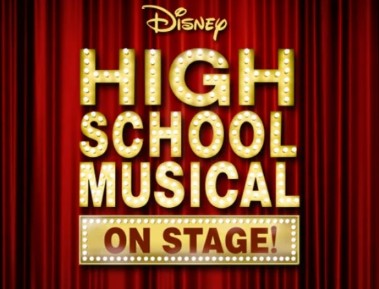
    Stage Musicals Society’s (SMS) High School Musical performance was anything but high-school quality. Every member of the cast, crew, band, and backstage team came together in perfect harmony to produce something truly special. As the team literally got their flowers following the show, the mass of talented young people standing on that stage had an immense amount to be proud of.

    From the first beat, we were inundated with energy and pizzazz as the lights lit up red, and the fabulous set was revealed (designed by Alisa Philbin and Macy Lee). Philbin and Lee paid immense attention to detail, which brought its own hilarity, with the math on the whiteboard during the classroom scene being absurdly difficult, and the mathematics newspaper being headlined “Crystal Math.” Huge red banners lined the side of the stage, complementing the principal dancers on stage in their mandatory red ‘wildcats’ cheerleading outfits and eye-catching silver pompoms (a credit to the producers Isla Plant, Jess Bilsby, Ash Mallen, and Rhys Rogers for their costuming). In a show littered with questionable writing and, by nature, dead space during the transitions between songs, it became evident that energy was imperative. SMS did not disappoint. Everyone in the cast acted continuously, even when they knew another cast member was having their moment, with huge smiles on their faces. In particular, however, the principal dancers (Mia Matthews, Molly Beech, Eliza Nicholson, Sadie Smith, Rose Arcos, and Sasha Dewar) not only showed that they are impeccable dancers but injected the show with high doses of energy every time they leaped onto the stage, carrying the audience throughout the performance. Additionally, the ‘hairography’ was mesmerizing; the way these talented dancers flipped their hair took it to the next level. Similarly, Jackie Scott (played by Csenge Szabo) had the same effect, bringing smiles to everyone’s faces every time the spotlight found her. Her almost breathless delivery, assisting her ‘awkward’ portrayal of the character, was comedic excellence and showed how much talent she possesses. Furthermore, another cast member bringing energy and vocals during ‘Bop To the Top’ was Zeke Baylor (played by Rhys Rogers), with a ‘silent countdown’ that will rule the ages.

    The show definitely demonstrated that when an actor is talented, they can steal the show with any role, however big or small. Taylor McKessie (played by Rosy Constanti) nailed the characterization and accent of this 2000s character, catapulting us all back to the time perfectly from the first line she spoke. Her show partner, Chad (played by Erwan Fayolle), similarly shone, having great chemistry with Constanti, and consistently bringing high-quality acting and vocals to every scene he starred in. Another standout was Martha Cox (played by Ellen Corbett), who showed her vocal prowess by nailing her solo and all the high, belty harmony lines to follow. Furthermore, her pop and lock got the whole audience whooping. Last but by no means least, Coach Bolton (played by Dan Lodge) commanded respect on stage, which was especially impressive when he acted opposite a comedic powerhouse, bouncing perfectly off her enigmatic presence to elevate both of their performances.

    But speaking of Miss Darbus (played by Erin Brady), what a stellar performance. She could have played the character in the beloved film series, and no one would bat an eyelid. The way she delivers a line such as ‘I’ll eat my gong’ and has the entire audience in hysterics is a wonder, and I speak for everyone who saw the show when I say that we hope she is incredibly proud of herself. Another incredible performance was the portrayal of Kelsi (played by Ella Fairley), who was by far the cutest character on stage. Fairley played the character perfectly, with a sunkenness that was undeniably due to the constant belittling from the school’s bully. But even so, Fairley still managed to show that she was being modest, with her talent and quiet confidence bursting through. Even more impressively, she was actually playing the piano on stage (or maybe she did such a good job pretending that I couldn’t tell). The audience was elated to see Kelsi and Jackie Scott running off hand-in-hand at the end of the show.

    Moving on to the shining main four, Ryan (played by Parus Mehra) did himself and his talents total justice. He is a true triple threat, and it showed. During ‘What I’ve Been Looking For,’ he tapped his way through, singing his heart out and acting his chequered pink vest off. The part seemed written for him. Mehra also contributed to the best duo in the show, Ryan and Sharpay (played by Jess Bilsby), whose dynamic was infectious. Bilsby absolutely crushed her challenging, iconic role. It goes without saying that her singing, acting, dancing, and comedic timing were at a professional level, but it was more than that. She made the role her own, bringing a sharpness to the role not seen before. Sharpay was scary, which, in my opinion, is more consistent with her character’s motivations than the original portrayal. She was more ‘Regina George’ than ‘Regina George’ could ever be. Even more than that, she was practically shouting her way through some of her lines and still managed to not lose her voice by the final show, in fact quite the opposite. Moving on to the leads, the portrayal of Gabriella Montez (played by Izzy Peter) was flawless. Famously, leading roles in musicals are hollow and boring, but not when Peter plays this one. She brought a humanness to the role that only an extremely talented performer can, accompanied by vocals that made the audience’s jaws drop. Her emotionality in ‘When There Was Me and You’ brought a depth to the show, which is especially impressive in a show with famously minimal depth. Furthermore, at one moment, she broke the fourth wall and looked at the audience after a frustrating interaction with Sharpay, as if to say, ‘Can you believe her?’ Only true comedic geniuses are known for looking into the camera with ease and composure, and she nailed it. Her show partner, Troy (played by Will Priestley), had to reach for the stars to keep up with Peter, and the stars he reached. Right off the bat, he brought the perfect preppy vibe to the character and didn’t waiver at all under the pressure of being a leading man. In a famously vocally demanding role, even on his fourth performance, he was hitting every note and sailing through each song with his lovely tone. His vocals especially shone during ‘What I’ve Been Looking For (Reprise),’ where he impressed the entire audience with his high, sustained belts, allowing Peter to come through and harmonize perfectly. Finally, as a critique of the script, the writing was quite difficult to hear at times. It contained words like ‘demeritorious,’ which was entirely incongruent with the rest of the script, trying to equate Gabriella Montez as historically consequential as Rosa Parks (truly perplexing), and making Priestley deliver some of the worst lines in musical theatre ever written. However, he embraced the hilarity of these lines and seemed to be in on the joke. This helped the audience and the cast get through these moments.

    Moving on to the assembly of the show, the direction (by Sofia Walker and Celine Obadiah) was fantastic, with every choice seeming thoughtful and cohesive. A few moments to mention were when the whole cast came around Troy to hold the imagined ball that he was crushing under the weight of, the audition sequence, where all members of the cast shone, staged in such a captivating way, and the callback scene, where the stairs, stage, and floor space were all utilized so cleverly to display all three events occurring at the same time. This show’s success is a credit to them. Moving on to the choreography, Arabella Head and Parus Mehra clearly had such a discrete vision, and it was executed with sharpness and style. All of the choreography was congruent with the show and spanned a range of styles and difficulties. The dancing truly made the show, and I cannot communicate how talented these two are. Finally, the musical directors (Seb Foxwell and Ella Fairley) are beyond talented. I cannot speak for the process itself, but they clearly took the time to make sure the cast was comfortable with their roles vocally and to teach each individual harmony line to get the group numbers sounding full and layered. Foxwell also led the band incredibly well, with the band showing once again that no one else could do it like they can. How lucky the cast and production team are to have such a talented group of musicians.

    If you weren’t lucky enough to catch this show, then I feel sorry that you missed such a gem. However, you can keep an eye out on their Instagram (@luusms) for updates about upcoming shows and performances, and maybe even get involved! You’d be silly not to.

  • LAMMPS’ Charlie and the Chocolate Factory: A Sweet Treat on Stage

    LAMMPS’ Charlie and the Chocolate Factory: A Sweet Treat on Stage

    Holly Dobbing, Year 4 Medicine

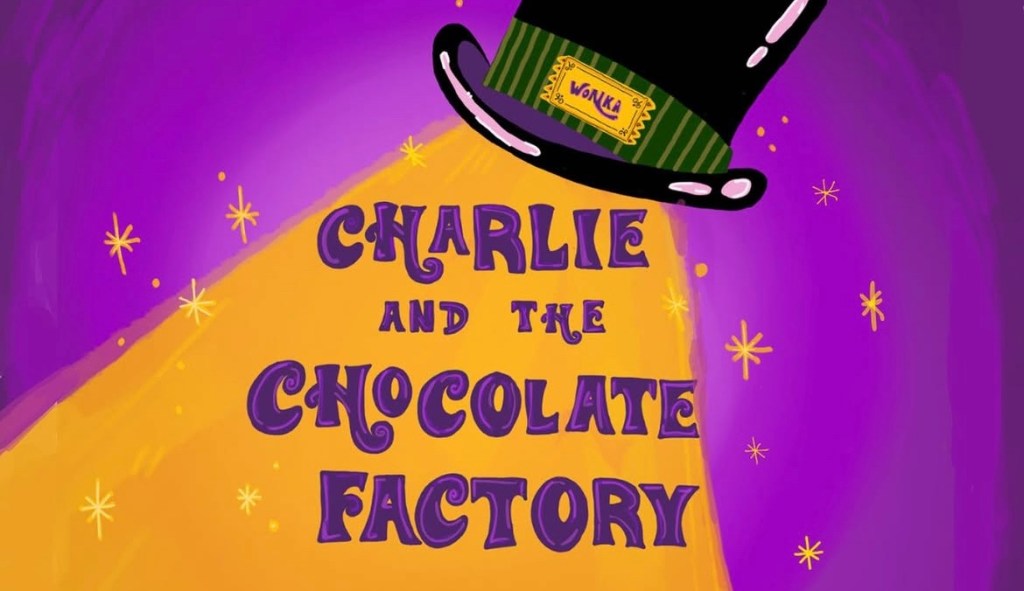
    LAMMPS’ Charlie and the Chocolate Factory was a delightful blend of magic, imagination, and heart. With its vibrant set design, energetic performances, and playful musical numbers, the show captured the magic of Roald Dahl’s beloved story while emphasising themes of kindness, greed, and the power of dreams. The cast brought each quirky character to life with enthusiasm, making for an entertaining and visually engaging performance that stayed true to the spirit of the original tale.

    LAMMPS are a University of Leeds society aimed to make musical theatre, dance, and singing, accessible for students on busy healthcare degrees that would struggle to make the time commitments required by other university musical theatre groups. They host lots of dance and choir events, culminating in a yearly 3-day performance of a big musical show. And let me tell you, LAMMPS pull it out of the bag every. Single. Time. I’m talking lights, music, singing, dancing, costumes, set… And this year’s Charlie and the Chocolate Factory was no exception.

    The show opened with a captivating performance from Willy Wonka, played by Rhys Llewelyn Williams, who stepped through the curtain and immediately commanded the stage with a powerful voice. His charisma and energy made him a perfect Wonka, effortlessly embodying the character’s mystery and charm. Soon after, we were introduced to Charlie Bucket, portrayed by Grace Husarz, whose brilliant high notes and heartfelt performance beautifully captured Charlie’s quiet selflessness, making her a standout in the role. Charlie’s grandparents were also a highlight of the first act, bringing humour and warmth to the stage. They fully embodied their roles as 90-year-olds, complete with crochet, intermittent snoring, and constantly hunched shoulders. Their little corner of the set looked so cosy, I was jealous I was in the audience instead of squeezed in between them… Grandpa Joe, played by Louis Mockler, was an audience favourite. With perfect comedic timing and a heartwarming bond with Charlie, he captured the spirit of adventure that makes Grandpa Joe such a beloved character. We also saw some sincere and heartfelt moments from Mrs Bucket (Jennie Bodger), who captured her character’s hope despite her struggles with strong and emotive vocals.

    For me, I absolutely loved Jerry Jubilee (Tom Ronayne) and Cherry Sundae (Ciara Devlin) who stole the show, bringing energy and laughs whilst introducing the iconic golden ticket winners. I will now be saying ‘CHOCOLATE NEWS!’ for the next six months. Each of the five ticket winners had a song and dance introduction – my personal favourite was Augustus Gloop, played by Cameron Mullin, and his mum, played by Hannah Byrne. Cameron completely embodied the role with enthusiasm and comedic flare – from the sausage necklace around his neck, to licking the set throughout the show. Nathalie Hall made a perfect Veruca Salt, nailing the character’s spoiled demands, bratty energy, and dramatic tantrums, to which Mr Salt, portrayed by Elliot King, aptly cowered and submitted to every time. Violet Beauregarde (Ella Smith) and her dad (Ehi Itua) were also standout performances, bringing sass and swagger to the stage with bold energy. Finally, we met Mike Teavee (Ash Mallen) and Mrs Teavee (Isla Plant) who brought a lively dynamic and powerful vocals, rounding out our five golden ticket winners.

    I must admit, I found the pacing of the whole show a bit uneven. It seemed we spent a lot of time introducing the characters, but then it felt like a rapid progression to their downfalls (…deaths?) without us fully getting to know them in between. I felt like this lost some of the humour and tragedy of their fates as the audience didn’t have enough time to fully appreciate their characters before they met their consequences (…deaths?). Despite this, the energy and talent of the cast kept the audience engaged, but a more balanced flow would have made the show even stronger.

    And how can I not mention the fabulous Oompa Loompas! The ensemble were a fun and energetic highlight of the show, adding a playful, whimsical touch to the production. Their synchronised dance numbers and catchy songs brought a burst of colour and energy to the stage every time they appeared. The choreography was sharp, and their performances were full of charm.

    The cast’s dedication and hard work were evident throughout the performance, but it’s important to acknowledge the creative team behind the scenes. Direction by Ruth Rusnak and assisted by Chloe Labutte, played a pivotal role in shaping the show and bringing out the best in the cast, allowing the vibrant personalities of each character to shine through. The production was also elevated by the incredible live band, conducted by Millie Falconer, and Brad Freeman’s brilliant lighting design created an atmosphere that transformed each scene. The amazing costumes by Kate Gerrard, Mirra Kirthivasan, and Emily Crighton were a visual delight, bringing the characters to life in a fun and creative way, making the whimsical world of Charlie and the Chocolate Factory feel truly real.

    There are two more performances today, go get tickets at https://www.universe.com/users/luu-lammps-2J54DF for your last chance to see the show!

  • The Gene-iuses Behind Genetic Study in Leeds: The Nuances of Neonatal Screening

    The Gene-iuses Behind Genetic Study in Leeds: The Nuances of Neonatal Screening

    Anna Aksenova, Third Year Medicine

    The Leeds Teaching Hospital Trust (LTHT) has taken part in a new and exciting research study called the Generation Study, offering newborns whole genome sequencing (WGS), to detect over 200 rare and treatable genetic conditions. The testing for the conditions is non-invasive, with blood samples collected from the umbilical cord after birth. The suspected conditions are then tested for within the following 28 days. Leeds General Infirmary and St James’ University Hospital are the participating hospitals from LTHT, amongst a number of other NHS trusts located nationally. The study is led by Genomics England in partnership with NHS England and is open to the general public. They aim to recruit over 100,000 participants, making it one of the largest studies to ever be conducted on neonates (Genomics England, 2025). Currently, the NHS routinely screens the newborns for 9 serious and potentially life-threatening diseases: sickle cell anaemia, cystic fibrosis, congenital hypothyroidism, phenylketonuria, medium-chain acyl-CoA dehydrogenase deficiency, maple syrup urine disease, isovaleric acidaemia, glutaric aciduria type 1 and homocystinuria. The Generation Study however, being an optional and supplementary test, offers to screen for a significantly higher number of rare treatable genetic conditions (200+), that often do not present until early childhood or adolescence. Another key aim is to improve symptom management and long-term health outcomes, for those with these disorders. NHS England (2025) hopes this will be accomplished by early detection of these disorders, as seen in the Generation Study.  

    Whilst the benefits of newborn genetic testing include early diagnosis and treatment (or even prevention) of the disease, there have been some ethical concerns. Since children will be pre-symptomatically screened, they are potentially exposed to overtreatment, which may lead to iatrogenic complications. Due to poor prognosis, the study has excluded illnesses such as Alzheimer’s and Huntington’s disease from the list of disorders screened for, instead only screening for treatable conditions (Esquerda et al., 2020). Incidental findings also are a topic of discussion about the balance of benefits, costs and harms of testing on the patients and their families (Lantos, 2023). Parental views on the use of WGS have been studied, with concerns raised such as issues with informed consent, mistrust and use of the data collected. The Family System Theory also states that one event has potential to affect the whole family which would need to be accounted for (Holm et al., 2018). Whilst the general consensus was positive, there is a need for increased counselling, transparency and support of those participating (Joseph et al., 2016), which the Generation Study has committed to providing (Genomics England, 2025).

    Globally, previous studies have alluded to many benefits to using WGS as a screening tool in neonates. WGS allows for specific genes to be identified and offer a molecular diagnosis for Mendelian disorders. Furthermore, within this study, WGS proved to have fewer false positives than basic screening tests offered. This means it identified more conditions and confirmed previously inconclusive results (Bodian et al., 2015). WGS is already used by the NHS in children when rare genetic conditions with varied differential diagnoses. However, using WGS as a screening tool does not rule out diagnosis for conditions that are non-genetic in origin or are multifactorial (Berg et al., 2017). There are further challenges of variants of unknown significance that would need to be investigated, to identify the potential risks of disease as often different variants will result in different characterisation of each disease (Chen et al., 2023).  Using WGS on such a large scale can also allow for variants to be identified within regional populations (Kuriyama et al., 2016). 

    WGS has been used in neonates on one of the largest scales in the world, in the Generation Study. WGS provides screening for rare conditions to offer early treatment and prevention, and it may allow for more personalised medical care and better long-term health outcomes. Moreover, the data collected will aid healthcare research into these rare conditions, potentially allowing for new advances in treatments, specific genetic tests and become the future of neonatal screening. However, using WGS could impact the NHS economically and structurally, requiring the NHS to navigate psychosocial, ethical and legal conflicts that may arise by using such a large-scale screening type. However, the use of genomics could lead to better patient outcomes and reduce long-term health complications. The Generation Study could be transformative, prompting the use of WGS nationwide. 

    Reference list:

    Berg, J.S., Agrawal, P.B., Bailey, D.B., Beggs, A.H., Brenner, S.E., Brower, A.M., Cakici, J.A., Ceyhan-Birsoy, O., Chan, K., Chen, F., Currier, R.J., Dukhovny, D., Green, R.C., Harris-Wai, J., Holm, I.A., Iglesias, B., Joseph, G., Kingsmore, S.F., Koenig, B.A. and Kwok, P.-Y. 2017. Newborn Sequencing in Genomic Medicine and Public Health. Pediatrics. 139(2), p.e20162252.

    Bodian, D.L., Klein, E., Iyer, R.K., Wong, W.S.W., Kothiyal, P., Stauffer, D., Huddleston, K.C., Gaither, A.D., Remsburg, I., Khromykh, A., Baker, R.L., Maxwell, G.L., Vockley, J.G., Niederhuber, J.E. and Solomon, B.D. 2015. Utility of whole-genome sequencing for detection of newborn screening disorders in a population cohort of 1,696 neonates. Genetics in Medicine. 18(3), pp.221–230.

    Chen, T., Fan, C., Huang, Y., Feng, J., Zhang, Y., Miao, J., Wang, X., Li, Y., Huang, C., Jin, W., Tang, C., Feng, L., Yin, Y., Zhu, B., Sun, M., Liu, X., Xiang, J., Tan, M., Jia, L. and Chen, L. 2023. Genomic Sequencing as a First-Tier Screening Test and Outcomes of Newborn Screening. JAMA Network Open. 6(9), p.e2331162.

    Esquerda, M., Palau, F., Lorenzo, D., Cambra, F.J., Bofarull, M., Cusi, V. and Interdisciplinar en Bioetica, G. 2020. Ethical questions concerning newborn genetic screening. Clinical Genetics. 99(1).

    Genomics England 2025. Homepage – Generation Study. http://www.generationstudy.co.uk. [Online]. Available from: https://www.generationstudy.co.uk/.

    Holm, I.A., Agrawal, P.B., Ceyhan-Birsoy, O., Christensen, K.D., Fayer, S., Frankel, L.A., Genetti, C.A., Krier, J.B., LaMay, R.C., Levy, H.L., McGuire, A.L., Parad, R.B., Park, P.J., Pereira, S., Rehm, H.L., Schwartz, T.S., Waisbren, S.E., Yu, T.W., Green, R.C. and Beggs, A.H. 2018. The BabySeq project: implementing genomic sequencing in newborns. BMC Pediatrics. 18(1).

    Joseph, G., Chen, F., Harris-Wai, J., Puck, J.M., Young, C. and Koenig, B.A. 2016. Parental Views on Expanded Newborn Screening Using Whole-Genome Sequencing. PEDIATRICS. 137(Supplement), pp.S36–S46.

    Kuriyama, S., Nobuo Yaegashi, Fuji Nagami, Arai, T., Kawaguchi, Y., Osumi, N., Masaki Sakaida, Suzuki, Y., Nakayama, K., Hashizume, H., Gen Tamiya, Hiroshi Kawame, Suzuki, K., Atsushi Hozawa, Nakaya, N., Masahiro Kikuya, Hirohito Metoki, Tsuji, I., Fuse, N. and Hideyasu Kiyomoto 2016. The Tohoku Medical Megabank Project: Design and Mission. Journal of Epidemiology. 26(9), pp.493–511.

    Lantos, J.D. 2023. The Future of Newborn Genomic Testing. Children. 10(7), pp.1140–1140.

    NHS England 2025. The Generation Study — Knowledge Hub. GeNotes. [Online]. Available from: https://www.genomicseducation.hee.nhs.uk/genotes/knowledge-hub/the-generation-study/.

  • Recognising the History and Legacy of Dr Elizabeth Blackwell (1821 – 1910):  A Trailblazing Female Physician 

    Recognising the History and Legacy of Dr Elizabeth Blackwell (1821 – 1910):  A Trailblazing Female Physician 

    Zahra Mohsin, Second Year Medicine

    Elizabeth Blackwell made history as the first woman in America to receive a medical degree, (Michals, 2015), as well as the first to have their name entered in the British General Medical Council’s Register in 1859, (University of Bristol, n.d.). Yet despite being a pioneer for women in the medical field, many may be unaware of the contributions which Dr Elizabeth Blackwell made towards promoting rights of women and their education in the medical profession.

    Blackwell was born in Bristol, England on February 3, 1821, the third of nine children to Samuel Blackwell, wealthy owner of a sugar refinery, and his wife Hannah Lane, (Michals, 2015). Although unusual for the era, her father insisted that Blackwell and her siblings be equally well educated, (BBC, 2008), resulting in her receiving an excellent education provided by private tutors, (WAMS, n.d.). In 1832, the family emigrated from Bristol to New York after the failure of her father’s business, moving again a few years later to Cincinnati, Ohio, (Michals, 2015). Blackwell’s father died in 1838, leaving his family in financial hardship and, following his death, she and her sisters took to teaching and opened a private school to support their family, (University of Bristol, n.d.).

    During her mid-20s, a close companion passed away from a prolonged illness, and prior to her passing, she had confided in Blackwell that her suffering would have been lessened had she been treated by a female doctor, (WAMS, n.d.). Following this, Blackwell decided to devote her career to studying medicine and ensuring that women received high quality healthcare. She began studying medicine privately for a few years before seeking admission to medical school, (Thakur et al., 2024). After several rejections, she was admitted to Geneva Medical College after the faculty, assuming they would not allow for a female to be enrolled, permitted the all-male student body to vote on her admission. As a joke, the student body voted “yes,” and Blackwell subsequently became a medical student, (University of Bristol, n.d.).  

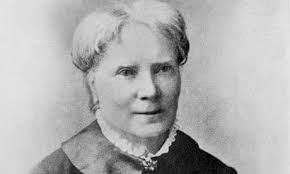
    Elizabeth Blackwell (Library of Congress, 1877)

    Blackwell faced discrimination and hostility throughout her time at medical school, including being forced to sit separately during lectures and often being excluded from labs, (Michals, 2015). Despite these odds, she continued to persevere, ultimately ranking first in her class in 1849, (The Editors of Encyclopedia Britannica, n.d.). 

    In the same year, Blackwell travelled to Paris where she studied midwifery at La Maternité. Here she contracted a serious eye infection whilst attending to a newborn, resulting in her becoming blind in one eye and ultimately compelling her to abandon hopes of becoming a surgeon, (Thakur et al., 2024). She later returned to England and worked under Dr, (later Sir), James Paget at St Bartholomew’s Hospital, (The Editors of Encyclopedia Britannica, n.d.). She became increasingly interested in social causes, particularly regarding the education of women, (Luft, n.d.). In the summer of 1851, she went back to the United States where prejudice against female physicians made practising medicine difficult, as she was refused posts and was unable to rent private consulting quarters, (The Editors of Encyclopedia Britannica, n.d.). Despite it taking a long time to develop her private practice, Blackwell opened a small dispensary in a slum district in New York in 1853, later being joined by her younger sister, Dr Emily Blackwell, and by Dr Marie E. Zakrzewska (The Editors of Encyclopedia Britannica, n.d.). In 1857, the dispensary was incorporated as the New York Infirmary for Women and Children. This was a healthcare facility dedicated to providing accessible healthcare for underserved populations, whilst also serving as a professional environment for female physicians, medical students, and nursing scholars (Thakur et al., 2024). 

    During a year-long lecture tour of Great Britain, Blackwell became the first woman to have her name on the British Medical Register in 1859, (The Editors of Encyclopedia Britannica, n.d.), becoming a pioneer for British women wanting to join the medical profession. In 1861, she also helped organise the Women’s Central Association of Relief and the U.S. Sanitary Commission to help select and train nurses during the outbreak of the American Civil War, (The Editors of Encyclopedia Britannica, n.d.). As an advocate for gender equality in medical education, Blackwell argued that women should be allowed to study in the same recognised institutions as their male counterparts, (Thakur et al., 2024). Henceforth, The Woman’s Medical College of the New York Infirmary opened in 1868 with a total of fifteen students and nine teaching staff, including Blackwell as a professor of hygiene (Thakur et al., 2024). In 1869, Blackwell moved back to England, leaving the college to be run by her sister Emily, (Thakur et al., 2024).

    Blackwell founded the National Health Society in 1871; this aimed to educate people on the benefits of hygiene and healthy lifestyles, something which she was passionate about (University of Bristol, n.d.). Their motto, “prevention is better than cure” is one which still holds value today, and highlights the longevity of Blackwell’s legacy.

    In 1874, alongside British physicians Sophia Jex-Blake and Elizabeth Garret Anderson, Blackwell established the London School of Medicine for Women (University of Bristol, n.d.), being appointed as a professor of gynaecology. Over the next years of her life, she also spent time writing and publishing books and pamphlets on subjects including hygiene, family planning, preventative medicine, sanitation, and medication education (University of Bristol, n.d.). She died on the 31st of May 1910 in Hastings, England.

    Elizabeth Blackwell spent her life dedicated to a profession which many deemed unsuitable and unattainable. Nevertheless, she spent her life advocating not only for her own prospects, but for the rights of others, with a passion and enthusiasm that helped shape a place for women in medicine. Her legacy and commitment is one that is, and should be continued to be, recognised within the medical field and beyond.

    References