Austin Keane, Year 2
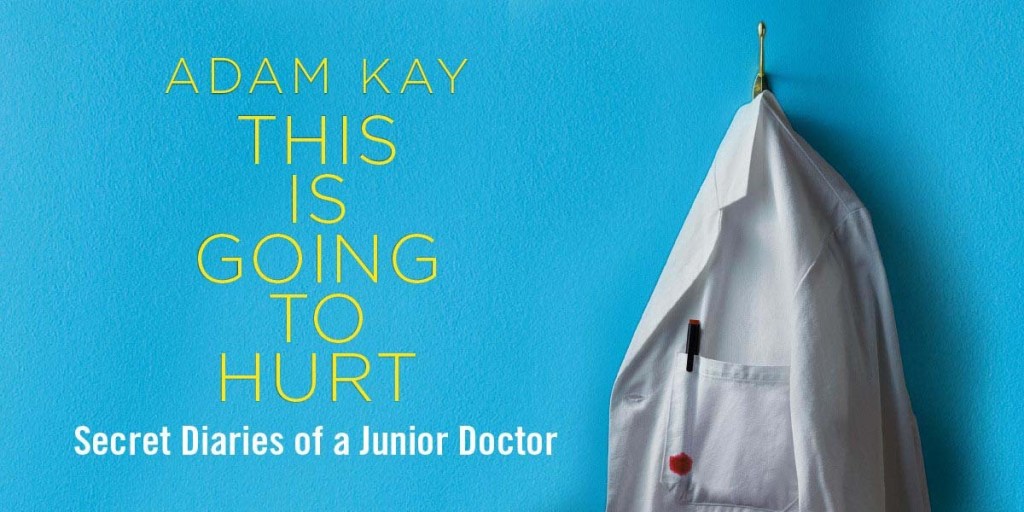
Reading This is Going to Hurt by Adam Kay was, for me, an experience of consolidation, reasserting the ideas I thought I understood in contexts that don’t relate to me immediately but my future, and the self that exists there, waiting, expectant.
There’s something amorphous about the way it feels truly alive—it’s messy and vivid like the life it details; and graphic too but there’s nothing gratuitous about it, just honesty. In between the laughter you’re still aware of the grief, those unbearable moments of lightness like a blade held close in the dark: when you stop focusing on the way it shines you notice there’s the cold bite of steel, its edge against your skin, and you wonder how you ever forgot it.
I found it sobering, especially as a medical student and someone who wants to work for the NHS as a doctor in the future. There wasn’t anything I hadn’t heard before—from the nurses I know and the doctors I’d spoken to (generally clinical with respect to their interactions in both senses of the word, to both our disappointment)—but it was still moving. The raw clarity, the lack of restraint. It’s tempting to think of the book’s structure as being one of decline, one great movement to detail a man ‘giving up.’ But I’d disagree—it says very little about him and much more about the system, that composite machine that protects us, and its faults, shown best through the reactions the medical professionals I know had to this book—a mixture of embarrassment and excitement. There was a sense that yes, of course these things are happening and yes, we just get on with it and yes, it’s about time someone put it down on paper so we can talk.
This demonstrates how easily he carries their voices, acting as a point of reference to facilitate authentic and necessary conversations. NHS workers are proud of the work they do and the system they’re apart of; they continue to do it without any sense of entitlement and without glamourising the work they do. They just do; they just are; and I know I forget that within a culture that rewards labour over personhood, encouraging burnout as the vehicle for success, indeed as a prerequisite for it. Having the opportunity to read a first-hand account that deals with this relationship—that indeterminate struggle between the title (earned) and the surname (given), about which it is thought ‘Dr’ will always inevitably predominate—is one of the most memorable aspects of the book for me. It has helped me to realise the value of continually exploring the narratives we construct around our professional identities: who does this serve?—what has led me to believe this is acceptable?—why is this the standard? These questions are essential not only in relation to ourselves, but to others, and all aspects of our identity, not solely the professional.
Ultimately, I’m left with a sense of joy, of pride held in a fist tight enough to break itself; the blade is startling, yes, is uncomfortable and a reminder of something we’d sooner forget. But it casts light, will continue to, and not knowing the pressure of it, it’s weight against your chest, won’t make it shine any brighter—you will just drop it and cut yourself scrabbling around in the dark.
There is nothing romantic here, just the truth. I think that’s what makes all the difference to this story and will do for those to follow.
 THE WORSLEY TIMES
Leave a comment